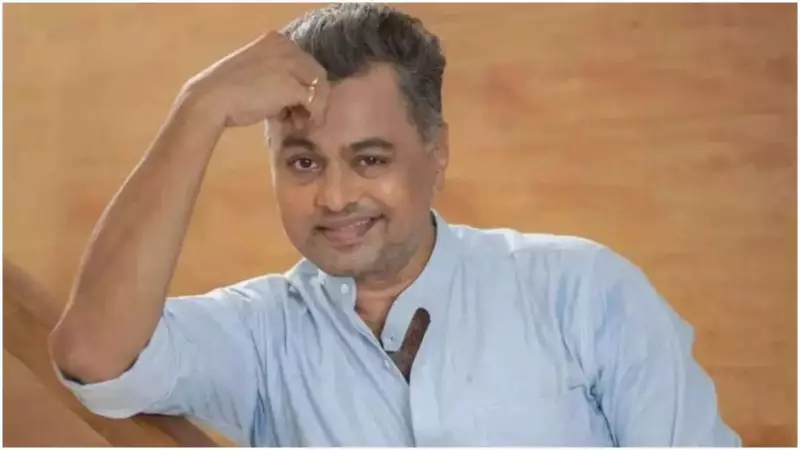
In a bold cinematic endeavour, acclaimed actor, director, and writer Subodh Bhave has announced his next ambitious project: adapting the legendary Marathi musical play Sangeet Manapmaan for a 2025 film release. This move aims to reintroduce a theatrical masterpiece, first staged over 113 years ago, to a contemporary audience on the grand scale of the silver screen.
Reviving a Golden Age Theatrical Phenomenon
The original Sangeet Manapmaan is nothing short of a cultural monument in Marathi theatre history. Penned by the renowned playwright Krishnaji Prabhakar Khadilkar, this five-act musical play premiered more than a century ago and came to define the golden age of Marathi musical theatre. Its performances were epic events, often running for nearly 12 hours at a stretch, captivating audiences for generations.
The play's immense popularity was significantly driven by its rich musical score. It originally featured a staggering 67 songs, of which an incredible 35 transcended the stage to become timeless classics. Melodies like Ravi Mi, Khara To Prema, and Nahi Mi Bolat Natha have endured, continuing to resonate in Marathi households to this day. The play also served as a platform for legendary performers like Bal Gandharva, cementing its iconic status.

From Bookshelf to Big Screen: Bhave's Vision
In a recent interview, Subodh Bhave revealed his personal connection to the material and his motivation for this adaptation. Following the success of his previous musical film Katyar Kaljat Ghusali, Bhave was keen to explore the genre again. His search for the perfect story led him back to Sangeet Manapmaan, a script that had been sitting on his bookshelf for years.
"When I read it again, I realised it was the right choice," Bhave explained. He pointed out that Marathi cinema rarely explores fairy tales or the fantasy genre. This realisation presented a wonderful opportunity to create what he describes as a "musical fairy tale" or a fantasy film, thereby filling a unique creative gap in the industry.
Adapting a Classic for the Modern Era
The core narrative of Sangeet Manapmaan is a powerful tale of pride, prejudice, and patriotism. Set in pre-independence India, it revolves around the honourable commander Dhairyadhar and the strong-willed young woman Bhamini. The play was renowned for urging the youth to value courage and honour over material wealth, using emotionally rich songs to convey wisdom, longing, and social commentary.
However, translating a 12-hour theatrical experience with 67 songs into a two-hour film for a 2025 audience is a monumental challenge. Bhave's adaptation necessitates condensing the expansive narrative and significantly reducing the number of songs—a bold and risky move considering music was the backbone of the original.
To bridge the century-long gap, Bhave is also introducing contemporary sensibilities. In his version, Dhairyadhar is shown sharing household responsibilities, and Bhamini is portrayed as a more empowered woman. These nuanced changes aim to make the story's soul resonate with modern viewers while preserving its fundamental essence.
The film inevitably shoulders a dual responsibility. It will be closely scrutinised by loyal fans of the classic play. Simultaneously, it carries the larger burden of proving that Marathi cinema has the vision and capability to mount grand, ambitious spectacles that can enchant audiences anew. Subodh Bhave's adaptation is not just a film; it's a cultural bridge between a glorious past and a dynamic cinematic future.