Netflix's Live TV Dream Meets Technical Reality
Global streaming giant Netflix wanted to reinvent live television for the internet age. This ambitious goal has not come easily. The company faces significant technical challenges as it expands into sports and live events.
The $5 Billion WWE Gamble
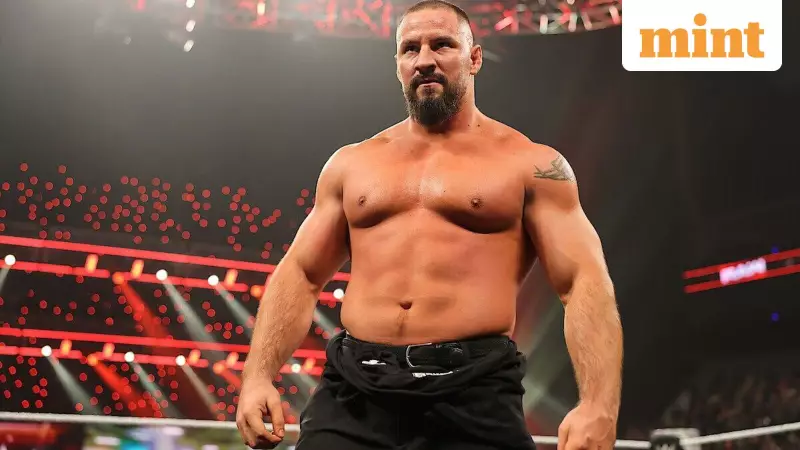
To boost its live programming lineup, Netflix struck a massive 10-year deal with World Wrestling Entertainment. This agreement carries a value exceeding $5 billion. It brings popular WWE stars like Bron Breakker to Netflix's platform.
Netflix executives admit the technical complexity surprised them. Brandon Riegg, Netflix's vice president for nonfiction series and sports, joined the company in 2016. He began pushing for live programming immediately. "I didn't quite grasp or comprehend the complexity," Riegg confessed. "It quickly became apparent just how much of a lift that was from both a resource and an expertise and execution standpoint."

Public Glitches and Private Struggles
Since March 2023, Netflix has broadcast more than 200 different live events. Many have proceeded smoothly. Others have not. A November 2024 boxing match between Jake Paul and Mike Tyson suffered streaming problems that frustrated viewers.
Elizabeth Stone serves as Netflix's Chief Technology Officer. She acknowledges the learning curve. "We're still learning a lot," Stone said. The company remains optimistic about live programming's potential despite these challenges.
Why Live Streaming Proves So Difficult
Traditional television operates on closed networks using multicast technology. This method sends a single data stream to all receivers simultaneously. Cable and satellite providers engineer their networks specifically for television delivery.
Internet streaming works completely differently. Netflix uses unicast technology. Each viewer receives a unique viewing session from one of Netflix's 18,000 appliances across 175 countries. These individual sessions must compete with other internet traffic. They also need optimization for various devices.
Robert Ambrose leads market research firm Caretta Research. He explains the fundamental challenge. "They have no precedent for how many people are suddenly going to watch something and what kind of traffic peak that will create. Suddenly you can discover that your content delivery network is swamped and in the short term there's nothing you can do about that."
The Testing Dilemma
Netflix developed innovative testing methods for its regular streaming service. The company's "Simian Army" includes digital agents like Chaos Monkey. These agents attack existing systems to identify vulnerabilities.
Live events presented a different testing challenge. Each broadcast carried high stakes. Netflix couldn't risk deploying Chaos Monkey during major live streams. Stone explained the distinction. "Missing a minute of a live event is very different than creating a little bit of bump in the road for video on demand."
The company created an unusual testing ground. Netflix launched "Baby Gorilla Cam," a livestream from the Cleveland Zoo. This low-stakes experiment allowed Netflix to test new code and backup streaming methods.
The NFL Christmas Test
Netflix faced its biggest test during the 2024 Jake Paul-Mike Tyson fight. The event attracted 65 million concurrent viewers. This exceeded Netflix's preparations. While viewers could continue watching, they experienced technical issues throughout the broadcast.
This performance raised concerns at the National Football League. Netflix had already secured rights to stream two Christmas Day NFL games. Riegg personally reassured football executives. "I spoke to the NFL directly and I said, 'Please don't buy into the speculation online or in the press. You have my word nothing is going to go wrong on this.'"
The first Christmas broadcasts proceeded smoothly. However, the 2025 Christmas Day NFL games left some viewers complaining about buffering and poor resolution. Netflix reported no outages during these games.

Moving Forward with Live Ambitions
Netflix continues investing in live capabilities. The company established a dedicated "live operations center" at its California headquarters. Staff there monitor and address issues in real time. Netflix plans to open two more centers in 2026, located in the United Kingdom and Asia.
Recent viewership numbers show promise. Globally, 33 million viewers watched Jake Paul fight Anthony Joshua last month. In the United States, Christmas Day NFL games attracted substantial audiences. The Lions-Vikings game drew 27.5 million viewers while the Cowboys-Commanders game attracted 19.9 million.
Andy Beach founded media consulting firm Alchemy Creations. He sees progress in Netflix's approach. "Netflix has moved past the 'can this even work?' phase and into large-scale, repeatable live events."
The streaming giant prepares for broader international expansion. Netflix will stream climber Alex Honnold scaling a Taipei skyscraper this month. This event marks the beginning of a more aggressive global push.
Riegg emphasizes the competitive landscape. "In the history of entertainment, there's never been more options for your time or consumption. We need stuff that really cuts through." Netflix believes live sports and events provide that cutting-edge content.