

The rise of Indian web series has brought with it a new breed of antagonist. Gone are the days of cartoonish evil; today's villains are complex, psychologically nuanced, and terrifyingly relatable. These characters don't just threaten the heroes on screen—they crawl into the viewer's psyche, creating a sense of dread that lasts long after the episode ends. Here are five such chilling villains from Indian OTT platforms who have mastered the art of keeping audiences awake at night.
The New Face of Fear: Complex Antagonists on OTT
Indian digital storytelling has moved beyond black-and-white morality. The most memorable villains now are those whose motives we can almost understand, even as we recoil from their actions. Their power lies not in grand schemes of world domination, but in their disturbing proximity to reality. They reflect the darkness that can fester in familiar settings, making their threat feel personal and immediate.
Published on January 9, 2026, at 19:58 IST, this exploration delves into characters who have become icons of on-screen terror, not through jump scares, but through slow-burning psychological menace.

Munna Tripathi: The Petty Prince of Mirzapur
Divyenndu's portrayal of Munna Tripathi in 'Mirzapur' is a masterclass in unpredictable volatility. This is not a strategic mastermind but an entitled, impulsive heir whose evil is punctuated by a childlike giggle. His rage can erupt during a dance party or a casual conversation, instantly turning a scene into a bloodbath. The character forces viewers into a complicated dance of emotions—you might find yourself amused by his audacity one moment, only to be horrified by his casual brutality the next. His obsessive need for approval from "Bhaiya" adds a layer of pathetic insecurity, making him both fearsome and pitiable.
Raji: The Steel Fist in a Velvet Glove from The Family Man
Samantha Ruth Prabhu delivered a powerhouse performance as Raji, a terrorist driven by a mother's love and tragic conviction. Her villainy is wrapped in quiet sorrow and unwavering resolve. The writing allows the audience to comprehend her motivations, to see the pain that forged her, which makes her ultimate actions even more chilling. The final confrontation in the series is a masterpiece of tension, blending empathy with sheer terror. Raji stands as a prime example of how female antagonists can be written with depth—showing that steel is most deadly when it's forged in the fires of personal loss.
Ganesh Gaitonde: The Prophetic Gangster of Sacred Games
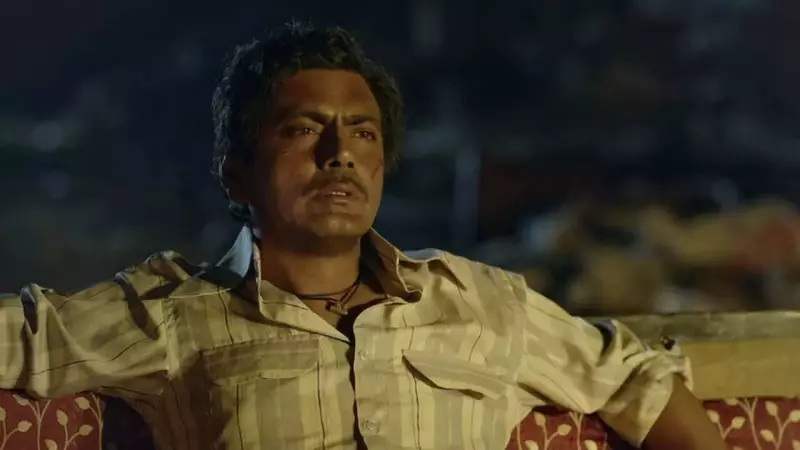
When Nawazuddin Siddiqui embodies Ganesh Gaitonde in 'Sacred Games', he doesn't just act—he possesses the screen. Gaitonde is a screaming prophet of doom, a gangster with god delusions and manic eyes that seem to pierce the fourth wall. His 4 a.m. phone calls to inspector Sartaj Singh are engineered to induce panic attacks in both the character and the viewer. His monologues, which jump from philosophical rants about Mumbai's apocalypse to threats of utter annihilation, create a uniquely unhinged energy. This is a villain whose presence lingers like acrid smoke, often forcing viewers to hit pause just to recover from the intensity.
Hathoda Tyagi: The Silent Hammer of Paatal Lok
Abhishek Banerjee's Hathoda Tyagi in 'Paatal Lok' proves that silence can be more terrifying than any monologue. With minimal dialogue, Banerjee uses dead, shark-like eyes and deliberate physicality to create a primal predator. His violence is casual, efficient, and devoid of theatricality—it feels ripped from the darkest crime headlines. The character taps into a universal fear of the empty street at night and the stranger with empty eyes. His extended stare during a police interrogation is a masterstroke, generating instant goosebumps and proving that a quiet, focused threat can kill louder than any scream.

Shubh Joshi: The Intellectual Sadist from Asur
Barun Sobti's Shubh Joshi in 'Asur' represents a different kind of terror: the horror of the brilliant, twisted mind. This is a serial killer who quotes ancient Vedas to justify his murders and taunts law enforcement with intricate, mythological riddles. His villainy is an intellectual sadism that deliberately blurs the lines between morality, philosophy, and madness. The fear he instills is cerebral; he challenges the viewer's own sense of logic and belief. Shubh Joshi doesn't just want to kill—he wants to win a philosophical debate and corrupt minds in the process, making his scripture-laced threats haunt the viewer's subconscious.
Why These Villains Stick With Us
What unites these five characters is their profound psychological realism and exceptional writing. They are not mere obstacles for the hero to overcome; they are fully realized individuals with twisted worldviews. Their danger feels authentic because it is rooted in human emotions gone awry—entitlement, grief, fanaticism, primal instinct, and intellectual arrogance. Indian web series have provided the narrative space to develop such antagonists slowly, allowing their menace to seep into every scene. They have successfully moved the needle from simple fear to a more complex, lingering unease, ensuring that their stories—and their chilling presence—stay with you, long after you've turned off the screen.
