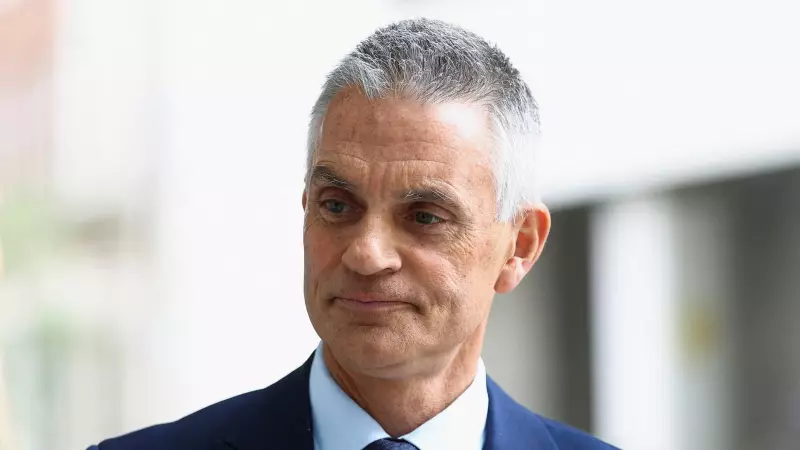
In a significant development that has rocked the British broadcasting world, Tim Davie has resigned from his position as Director General of the BBC following mounting criticism over editorial decisions made in a documentary about former US President Donald Trump. The sudden departure marks a dramatic turn for the prestigious broadcaster and raises serious questions about its editorial integrity.
The Controversial Documentary That Sparked the Crisis
The controversy centers around a BBC documentary about Donald Trump that contained edited footage which critics argued misrepresented the former president's statements and actions. The editing choices drew immediate backlash from media watchdogs, political commentators, and viewers who accused the broadcaster of violating its own editorial guidelines and demonstrating political bias.
According to sources familiar with the situation, the edited segments allegedly took Trump's comments out of context, creating a misleading narrative that differed substantially from the full, unedited recordings. The documentary, which aired last month, quickly became the subject of intense scrutiny and public debate, with many questioning whether the BBC had abandoned its commitment to impartial journalism.

Mounting Pressure and Internal Dissent
As the controversy gained momentum, Tim Davie found himself at the center of a growing storm. The BBC boss, who had been in the role since 2020, initially defended the documentary and the editorial decisions behind it. However, internal dissent within the BBC began to surface as several senior journalists and producers expressed concerns about the damage to the organization's reputation.
The situation escalated when prominent political figures from across the spectrum joined the criticism. Conservative MPs particularly voiced strong objections, with some calling for parliamentary investigations into the BBC's editorial processes. Meanwhile, media regulatory bodies received numerous complaints about the documentary, putting additional pressure on Davie and his leadership team.
Behind the scenes, BBC trustees and board members grew increasingly concerned about the long-term impact on the broadcaster's credibility. The BBC, which operates under a royal charter and is funded by British television license fees, has long prided itself on maintaining strict editorial standards and political neutrality.
The Fallout and Leadership Transition
Davie's resignation comes after weeks of intense internal discussions and emergency board meetings. In his resignation statement, the outgoing director general acknowledged the growing controversy but stopped short of admitting any deliberate wrongdoing. He emphasized his commitment to the BBC's values while recognizing that leadership change had become necessary to restore public trust.
The timing of the resignation poses significant challenges for the BBC, which is already navigating complex issues including funding negotiations with the government, digital transformation, and increasing competition from streaming services. The search for Davie's successor has already begun, with both internal and external candidates being considered for the high-profile position.
Industry analysts suggest that the next director general will need to address several urgent priorities:
- Conducting a thorough review of editorial processes and standards
- Rebuilding trust with audiences across the political spectrum
- Addressing concerns about political bias in coverage
- Strengthening the BBC's commitment to impartial journalism
The controversy has also reignited debates about the future of public service broadcasting in Britain. Critics of the BBC have seized on the incident to argue for reform of the license fee system, while supporters warn against undermining one of Britain's most respected cultural institutions.

Broader Implications for Media Integrity
This incident extends beyond the BBC's internal affairs, touching on broader issues of media integrity and public trust in journalism. In an era of increasing political polarization and accusations of "fake news," the controversy highlights the critical importance of maintaining editorial standards in public broadcasting.
Media ethics experts have noted that the situation serves as a cautionary tale for news organizations worldwide. The pressure to create compelling content in a competitive media landscape must be balanced against the fundamental responsibility to present information accurately and fairly, particularly when covering divisive political figures.
As the BBC begins the process of selecting new leadership and rebuilding its reputation, the media world will be watching closely. The outcome could influence editorial standards and practices across the global journalism landscape, setting important precedents for how major broadcasters handle politically sensitive content in the future.
The resignation of Tim Davie represents a watershed moment for the BBC and serves as a powerful reminder that even the most established media institutions must constantly uphold their commitment to truth and impartiality. How the broadcaster responds to this challenge will likely define its trajectory for years to come.