

Bigg Boss Kannada 12 Finale Ignites Social Media Storm Over Karave Leader's Meeting with Host
Bigg Boss Kannada 12 moves toward its grand finale amid intense controversy. Recent developments involving leaders of the Karnataka Rakshana Vedike (Karave) have sparked heated debates across social media platforms. The discussions center on a visit that occurred just days before the final episode.
Timing of Meeting Fuels Widespread Speculation
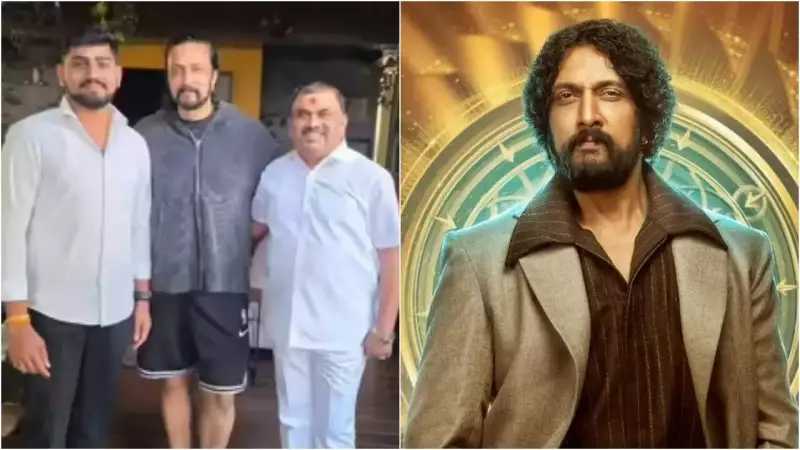
Images surfaced online showing T A Narayana Gowda, the state president of Karave, meeting actor and Bigg Boss Kannada host Kiccha Sudeep at his Bengaluru residence. The timing of this visit immediately raised eyebrows among viewers and fans. Many social media users questioned whether the meeting connected to the reality show. Some speculated it aimed to influence the competition's outcome.
This speculation gained significant traction because Ashwini Gowda, a current contestant, remains in contention for the title. She holds association with Karave's women's wing. Numerous online posts suggested the visit might seek support or intervention on her behalf.

Clarifications Emerge About Wedding Invitation
However, clarifications soon emerged from those close to the matter. They stated the meeting had no connection whatsoever with Bigg Boss Kannada. According to these sources, Narayana Gowda visited Sudeep to personally invite him to his son's wedding.
During the visit, the Karave leader reportedly presented a formal invitation card. He honored the popular actor with a traditional shawl and garland. The two held a cordial discussion that touched upon Kannada language, culture, and social responsibilities. Those present described the atmosphere as friendly and respectful throughout.
Representatives associated with the show reiterated important facts about Sudeep's role. They emphasized that the host has no involvement in deciding eliminations or choosing the winner. His responsibilities remain strictly limited to hosting duties during filming sessions.
Controversial Remark Triggers Backlash
Amid this situation, another controversy erupted when a Karave leader made a public statement. The leader remarked that "Bigg Boss is not a show for us." This comment quickly went viral across social media platforms.
The statement drew sharp criticism from viewers and dedicated fans of the show. Many perceived the comment as dismissive and contradictory, especially considering the recent visit to the host. The remark triggered significant backlash, with numerous people questioning Karave's stance.
Critics accused the organization of sending mixed signals about their position. They argued that Bigg Boss Kannada has become a major platform offering visibility and career opportunities to participants. Dismissing the show, they claimed, undermines the efforts and personal journeys of all contestants.
Organization Issues Further Clarifications
Following the social media outrage, Karave issued additional clarifications. The organization stated it has no interest or involvement in the show's proceedings or outcomes. They maintained that the controversial remark was being misinterpreted by the public.
Karave emphasized that its activities and cultural advocacy remain completely separate from television entertainment. The organization asserted that no attempt was made to influence the reality show in any manner. They reinforced their focus on cultural and social issues rather than entertainment programming.
Show Remains Center of Public Discourse
As Bigg Boss Kannada 12 approaches its highly anticipated finale, these incidents highlight the show's cultural significance. The reality program continues to dominate public discourse, extending far beyond mere entertainment.
The controversies spark debates across political, cultural, and social spheres in Karnataka. They demonstrate how reality television intersects with broader societal conversations. The show maintains its position as a talking point that engages diverse audiences and generates passionate discussions.
Viewers now await the finale with heightened interest, watching how these external discussions might influence the final episodes. The incidents underscore the complex relationship between entertainment media and social organizations in contemporary Indian television.

