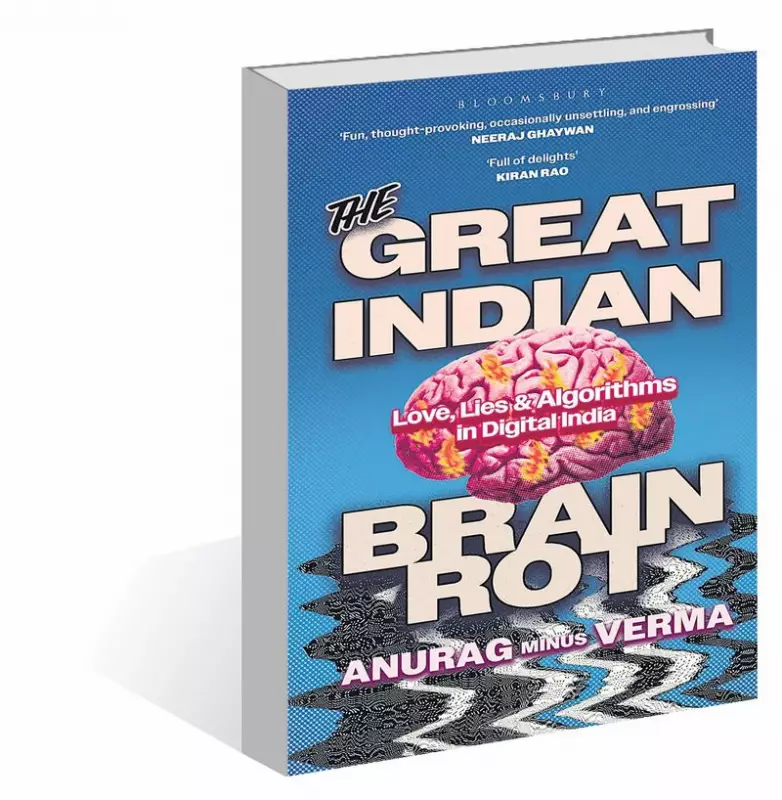
In a scathing critique of contemporary digital culture, author Anurag Minus Verma's new book, The Great Indian Brain Rot, argues that the human mind is being systematically flattened into simplistic digital marketing categories. Published by Westland Books, this provocative work delves into the mechanisms through which social media platforms and online content factories are reshaping how Indians think, create, and consume information.
The Core Argument: From Complexity to Category
Anurag Minus Verma, a writer and columnist, posits a central thesis: the rich, complex, and often contradictory nature of human thought is being reduced to easily marketable labels. The book contends that in the relentless pursuit of virality and engagement, content creators and algorithms alike force multifaceted ideas into narrow slots like 'viral', 'relatable', 'cringe', or 'based'.
This process, which Verma terms 'brain flattening', prioritizes quick emotional hits over deep understanding. He suggests that the traditional journey of a writer or thinker—involving research, nuance, and layered expression—is being shortcut. The new model demands content that fits pre-defined, algorithm-friendly boxes to maximize reach, often at the expense of substance and originality.

The Role of Algorithms and Publishing Trends
The book provides a detailed examination of how this phenomenon is fueled by platform algorithms. These digital gatekeepers, Verma argues, don't just recommend content; they actively shape its creation by rewarding what conforms to their categorical logic. This has a profound trickle-down effect on the publishing industry itself.
Verma highlights a worrying trend where traditional publishing houses, in a bid to survive in the digital age, are increasingly adopting the language and strategies of digital marketing. Books and ideas are now often evaluated not solely on literary or intellectual merit, but on their potential to be slotted into high-traffic online categories that promise better sales.
This creates a feedback loop: authors may unconsciously (or consciously) tailor their work to fit these digital molds, further entrenching the flattening of discourse. The book questions whether true counter-narratives or complex, challenging ideas can thrive in such an ecosystem.
Consequences for Creativity and Public Discourse
The Great Indian Brain Rot goes beyond diagnosis to explore the significant consequences of this cultural shift. Verma warns of a growing impoverishment of public language and debate. When complex socio-political issues are debated through the reductive lens of trending hashtags and viral templates, the capacity for nuanced discussion diminishes.
Furthermore, the book suggests that this environment is hostile to genuine creativity and slow thought. The pressure to constantly produce 'content' that fits a category stifles the incubation period necessary for groundbreaking art or literature. It champions a fast, disposable culture of creation over one of deliberate craft and lasting impact.
Verma's critique extends to the readers and consumers as well. He argues that audiences, conditioned by this categorized content, begin to expect and reward simplicity, leading to a broader 'flattening' of collective intellectual expectations.
A Call for Resistance and Reclamation
While the analysis is stark, the book is not entirely pessimistic. Anurag Minus Verma concludes with a call to action. He urges creators, consumers, and especially gatekeepers in publishing to recognize and resist the flattening impulse. This involves consciously seeking out and supporting work that defies easy categorization, that embraces complexity, and that challenges algorithmic preferences.
The ultimate message of The Great Indian Brain Rot is a plea to reclaim the multidimensional human brain from the one-dimensional boxes of digital marketing. It advocates for a renewed appreciation of depth, ambiguity, and intellectual courage in the Indian public sphere, both online and off.