From Long Queues to QR Codes: How Cinema Halls Shape Romance Across Generations
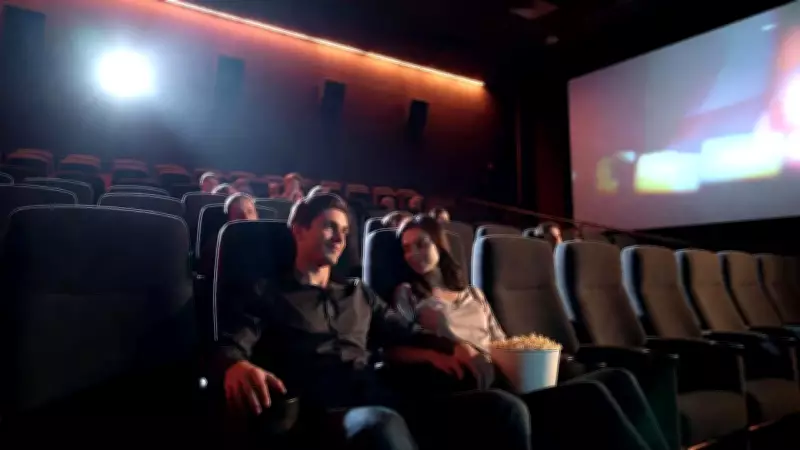
For countless couples in contemporary society, a visit to the cinema represents far more than a simple evening out. It embodies a cherished shared experience, weaving together moments of connection and memory. Over time, however, cinema halls have evolved from being the sole destination for film viewing to just one option among many in the era of Over-The-Top (OTT) streaming platforms. This shift reflects broader changes in how romance is cultivated and experienced across different age groups.
The Nostalgic Era: Romance in the 1990s Cinema
In the 1990s, going to the movies was a significant event, often marked by informal and lively atmospheres. Sanjay Solanki, a 56-year-old businessman from Ahmedabad, vividly recalls his first date watching Kabhi Ha Kabhi Na in 1994. He describes how standing in long queues for tickets and sharing the screen's glow with his partner created a magical evening. "My partner's presence made it special and unique. The way she dressed — it was our first movie date together," he reminisces. Back then, cinema houses were noisy spaces where the joy of romance was intricately woven into the experience itself, from the songs to the darkened seats and the anticipation of waiting in line.
Solanki adds, "Earlier it was just screening, that's it… we had to stand in big queues. It was a headache those days, but we have that experience too." For him, romantic songs played a vital role in building connections, contrasting with today's music, which he feels lacks meaningful lyrics.

Similarly, Dinesh Sharma, 55, remembers how audiences would cheer and whistle together, turning movie outings into communal celebrations of emotion. "Cinema was not just entertainment — it was a bridge between hearts," he says. He highlights how shared glances in the dark and passing a cold drink slowly built romance, noting that "there were no typing… notifications — just real anticipation." While he believes connection hasn't weakened today, he observes that "it has just become faster."
The Mall-Date Generation: Blending Tradition with Modernity
Transitioning from long queues to QR-code scans, romance has adapted to new rhythms. The waiting has shortened, screens have multiplied, and privacy has shifted from balcony seats to bedroom couches. Yet, the fundamental instinct remains: to sit beside someone, share a story, and create lasting memories.
According to a YouGov survey, urban Indians aged 18–29 present a mixed narrative of screens, both big and small. Statistically, this group is most likely to use OTT platforms to watch new films, with 57% reporting this preference in 2022, indicating that convenience now strongly competes with cinema halls. In contrast, adults over 40 were more inclined to watch films on TV (26%) or in theatres (19%). Notably, residents in South India were more likely to view newly released films in theatres compared to other regions, at 22%.
For Millennials, cinema became an integral part of dating rituals. Karan Sharma, 31, who began dating his partner in 2015, states that theatres were "a very crucial part of how we dated in the beginning." It was never solely about the film; "We used to plan the whole day around it. Meet at the mall, grab coffee, walk around for no good reason… The movie was just an excuse to spend time together." His wife, Bisakha Das, adds that even today, Valentine's plans often include a film followed by dinner, describing it as "simple, stress-free, and feels nostalgic like our early dating days."

Emotional Weight and Intimacy in Modern Cinema
For those who still choose cinemas, the experience retains significant emotional weight. Paras Jain, a 29-year-old public relations consultant based in Delhi, finds theatre dates intentional and meaningful. He shares, "that experience is different altogether and OTT can never match it," emphasizing how shared reactions, laughs, and silence in a darkened room feel more "real" than watching at home. However, he admits that OTT nights offer greater intimacy, saying, "In terms of intimacy, OTT nights feel more personal, but theatre dates feel more romantic and memorable."
Jain also reflects on his personal connection to cinema halls, noting, "For me, cinema halls are deeply connected to memories because I got the chance to watch my first movie in a theatre very late in life but it was totally worth it. I used to bunk college and go for movies with my friends back then. So, going to the movies always felt like an occasion, something you looked forward to."
Gen Z Perspective: Bonding Over Shared Energy
For Generation Z, the theatre is less about traditional romance and more about shared energy and bonding. Anmol Mishra, 24, explains, "Movie theatres feel like a bonding space. When you come out of the theatre, there is excitement and a shared sense of liking or disliking the film. That mutual feeling itself is romantic." Still, he mentions that digital platforms may gain dominance because they provide "a more private and comfortable space."
Conclusion: The Enduring Pull of Cinema
Despite ongoing evolution, cinema retains its allure as both a social and romantic venue. Ultimately, it isn't just about the film; it's the shared experience that spans generations. From long queues and hand-held anticipation to strategic ticket bookings and whispered critiques in the dark, cinema has served as a private place to meet and be together. As romance adapts to algorithms and streaming, the core desire for connection through storytelling persists, ensuring that cinema halls remain a timeless backdrop for love and memory.