A significant legal development has emerged in India's entertainment and regulatory landscape as a writ petition has been formally submitted before the Delhi High Court, seeking an immediate stay on the release and streaming of an upcoming Netflix film titled 'Ghooskhor Pandat'. The petitioner has raised serious allegations that both the title and proposed content of the film constitute defamation and communally offensive material, sparking a debate about creative freedom versus community dignity.
Petition Details and Legal Grounds
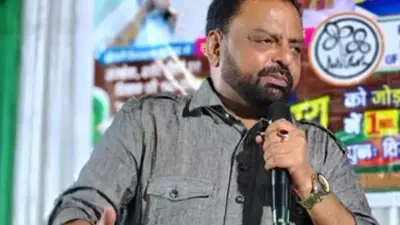
The plea, filed through Advocate Vineet Jindal, requests the issuance of a writ of mandamus directing relevant authorities to intervene and restrain the streaming of the controversial film. The petitioner, identified as Mahender Chaturvedi, describes himself as an Acharya dedicated to the study, teaching, and propagation of Indian scriptures, philosophy, and spiritual traditions. He claims direct grievance from the proposed film, arguing that it associates the term "Pandat" with corruption and bribery, thereby damaging the dignity and reputation of the entire Brahmin community as well as his own professional vocation.
Allegations Against Netflix and Content Concerns
According to the petition, Netflix India has actively announced and promoted the film while circulating promotional material that allegedly links the historically respected term "Pandat" with immoral and corrupt conduct. The petitioner contends that this term traditionally signifies scholarship, ethical conduct, spiritual guidance, and moral authority within Indian society and religious traditions. The plea asserts that such portrayal amounts to stereotyping and vilification of an entire religious and social community, raising questions about media responsibility.

Constitutional Violations Cited
The petition further argues that the impugned title and content violate fundamental rights guaranteed under Articles 14, 21, and 25 of the Indian Constitution. It claims the content discriminates against a particular religious and social group, infringes upon the right to dignity and reputation, and demeans religious and cultural identity linked to faith, rituals, and traditions. While acknowledging the right to freedom of speech and expression under Article 19(1)(a), the plea emphasizes that this right is subject to reasonable restrictions under Article 19(2) and does not extend to hate speech, defamation, or content that may disturb communal harmony and public order.
Regulatory Gaps and Government Accountability
The petitioner has also alleged that the Union Government has failed to establish an effective regulatory mechanism to prevent the misuse of creative freedom on OTT platforms. The plea claims that such regulatory gaps enable platforms to promote sensational or community-based vilification for commercial gain, amounting to an abdication of constitutional duty to protect fraternity and public order. This highlights ongoing concerns about digital content governance in India's rapidly evolving media landscape.
Specific Reliefs Sought
Through the petition, the petitioner has sought multiple directions, including orders to the Union of India and Netflix India to stay the release and streaming of the film. He has also requested an interim order staying the release of the contentious content during the pendency of the case, along with directions to the Union Government to take appropriate action against Netflix India under applicable laws governing digital and OTT platforms. Additionally, the petitioner seeks any other order deemed fit in the interest of justice, equity, and communal harmony.
Urgency and Irreversible Damage Argument
The plea states that the cause of action arose when the film was announced and promoted, contending that any damage caused by its release would be irreversible. On this basis, the petitioner has sought urgent judicial intervention prior to the streaming of the film, emphasizing the time-sensitive nature of the matter. This case joins a growing list of legal challenges addressing content regulation on digital platforms in India.