Former child actor Mara Wilson has revealed a deeply disturbing experience from her past. The actress, best remembered for her roles in beloved family films, says discovering her image had been used for child sexual abuse material felt like a living nightmare. This happened long before she reached adulthood.
Mara Wilson's painful revelation in essay
Wilson, now 38 years old, shared her account in a powerful essay published by The Guardian on January 17. She wrote that while working on film sets felt safe during her childhood, her connection with the public through fame did not provide the same protection.
"From ages 5 to 13, I was a child actor," Wilson explained. She added that the real danger emerged later, through the internet's dark corners.

How fame made her vulnerable to predators
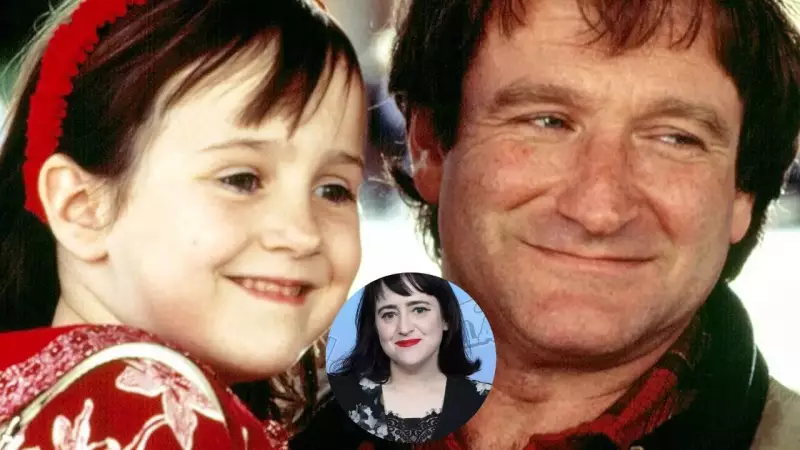
Wilson gained fame playing the title role in 'Matilda' and appearing alongside Robin Williams in 'Mrs. Doubtfire.' She revealed that her image was misused online before she even entered high school.
"I'd been featured on fetish websites and Photoshopped into pornography," Wilson wrote. "Grown men sent me creepy letters."
The actress explained that neither her appearance nor the family-friendly nature of her work offered any protection. "I wasn't a beautiful girl. My awkward age lasted from about age 10 to about 25. But I was a public figure, so I was accessible." She emphasized this point strongly: "That's what child sexual predators look for. Access."
The lasting damage of online exploitation
Wilson described how the experience caused lasting emotional harm, even when the images were altered or claimed to be technically legal. "It didn't matter that those images 'weren't me,' or that the fetish sites were 'technically' legal," she wrote. "It was a painful, violating experience."
She called it "a living nightmare I hoped no other child would have to go through."
New threat from generative AI technology
Now working as a writer and mental health activist, Wilson expressed serious concerns about generative artificial intelligence tools. She believes these technologies make child exploitation far easier and more widespread.
"It is now infinitely easier for any child whose face has been posted on the internet to be sexually exploited," Wilson warned. "Millions of children could be forced to live my same nightmare."
Call for accountability and stronger safeguards
Wilson urged readers to demand action from both technology companies and lawmakers. She called for concrete measures to protect children in the digital age.
"We need to be the ones demanding companies that allow the creation of CSAM (Child Sexual Abuse Material) be held accountable," she wrote. "We need to be demanding legislation and technological safeguards."
The former child star's essay highlights several critical issues:
- The vulnerability of child celebrities to online exploitation
- The emotional trauma caused by image-based abuse
- The amplified risks posed by generative AI technology
- The urgent need for legal and technological protections
Wilson's personal account serves as a stark warning about the dangers children face in today's digital world. Her experience demonstrates how public visibility can create unexpected vulnerabilities, even for those working in protected environments like film sets.
The emergence of generative AI tools adds a new dimension to these threats. These technologies can create realistic fake images and videos with minimal effort, potentially exposing countless children to similar exploitation.
Wilson's call for accountability emphasizes that both technology companies and governments must take responsibility. Stronger laws and better safeguards could help prevent other children from experiencing similar trauma.
Her story reminds us that child protection requires constant vigilance, especially as technology evolves. The entertainment industry, tech companies, and policymakers all have roles to play in creating safer online spaces for young people.