

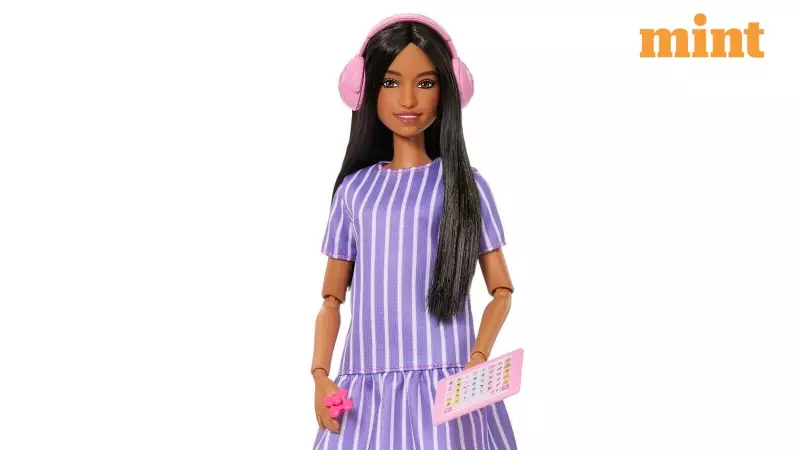
Mattel Unveils Groundbreaking Autistic Barbie Doll
Mattel has made a historic move in the toy industry. The company launched its first-ever autistic Barbie doll. This announcement came on January 12, 2026. It represents a major step forward in promoting inclusion and diversity within the iconic Barbie Fashionistas collection.
The company aims to give children more opportunities to see themselves reflected in their toys. This new doll helps achieve that goal by offering authentic representation for autistic individuals.
Collaboration with Autistic Self Advocacy Network
Mattel developed the doll through a partnership with the Autistic Self Advocacy Network. ASAN is a disability rights organization run by and for autistic people. The collaboration lasted over eighteen months.

During this period, Mattel consulted directly with autistic advocates. These consultations ensured the doll's design felt true to lived experiences. The company wanted to create a toy that autistic children could genuinely connect with.
Design Features Inspired by Real Experiences
Mattel stated the autistic Barbie aims to represent common ways autistic people experience the world. The goal was not to define autism by one set of traits. Instead, the doll includes features that some autistic individuals might recognize and relate to during play.
One key design element is the doll's slightly averted gaze. This reflects how some autistic people may avoid direct eye contact. The doll also has articulated elbows and wrists. These allow for gestures like stimming.
Stimming involves repetitive movements that some autistic individuals use to regulate sensory input or express excitement. Including this feature makes the doll more authentic and relatable.
Sensory-Friendly Clothing and Accessories
The doll's clothing and accessories were carefully chosen with sensory experiences in mind. She wears a loose-fitting purple A-line dress. This design minimizes fabric-to-skin contact.
Her shoes are sensory-friendly with flat soles. The doll comes with several accessories that represent tools helpful in daily life for some autistic people.
- A pink finger-clip fidget spinner
- Noise-cancelling headphones
- A tablet featuring symbol-based Augmentative and Alternative Communication apps
These items highlight practical supports that can aid communication and comfort.
Importance of Authentic Representation
Colin Killick, the executive director of ASAN, emphasized the significance of genuine representation. He expressed pride in helping create the first autistic Barbie doll.
Killick said it is crucial for young autistic people to see authentic and joyful representations of themselves. This doll fulfills that need by celebrating autistic identity in a positive way.
Expanding Mattel's Commitment to Inclusivity
The launch continues Mattel's ongoing efforts to promote inclusivity. The company previously introduced dolls representing various visible and invisible disabilities.
These include Barbie dolls with Down syndrome, type 1 diabetes, prosthetic limbs, and hearing aids. Such releases have broadened the Fashionistas line beyond traditional aesthetics.
Now, the collection features a more diverse array of body types, skin tones, and abilities. The autistic Barbie adds another important dimension to this inclusive range.
Availability and Pricing
The autistic Barbie is currently available for purchase. You can find it at Mattel's online shop and selected retailers in the United States, including Target.
The suggested retail price is around US$11.87. Walmart is expected to stock the doll later in March, making it more accessible to families across the country.

