Bengaluru's vibrant cultural and entertainment scene is taking a significant step towards inclusivity. A growing number of organizers for live shows, concerts, and events are now proactively hiring sign language interpreters. This move is making the city's rich array of performances accessible to the deaf and hard-of-hearing community.
A Growing Trend for Inclusivity
The shift is being driven by a combination of increased awareness, advocacy by disability rights groups, and a genuine desire from event organizers to welcome a wider audience. While the practice is not yet universal, its growth marks a positive change in the city's social fabric. The inclusion of Indian Sign Language (ISL) interpreters allows individuals who rely on visual communication to fully experience the emotion, dialogue, and lyrics of live performances.
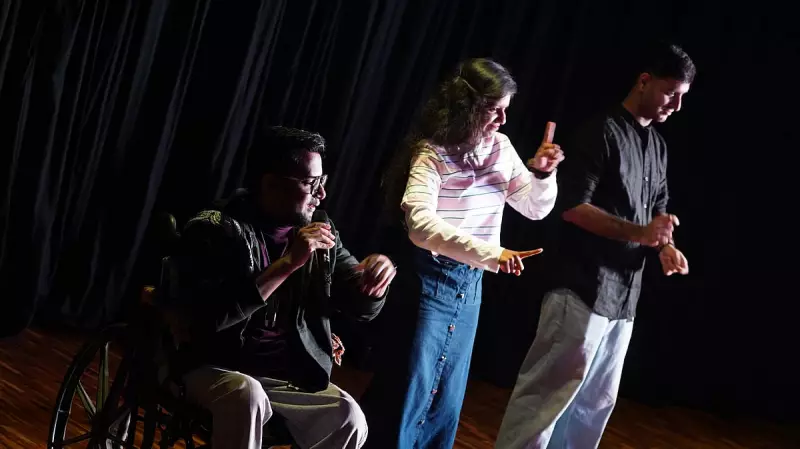
This trend is visible across various event types. From stand-up comedy specials and theatre productions to music concerts and public talks, interpreters are becoming a more common sight on Bengaluru's stages. The effort goes beyond mere compliance; it's about creating an equitable experience where entertainment is a right, not a privilege limited by auditory ability.

The Impact on the Deaf Community
For members of the deaf community, this development is transformative. Attending a live event with a qualified interpreter means they can engage with the content in real-time, sharing laughs during a comedy set or feeling the rhythm of a song through the interpreter's expressive movements. It fosters a sense of belonging and participation that was often missing before.
Advocates highlight that this practice also raises general awareness about disability and accessibility. When other audience members see interpreters at work, it normalizes the presence of the deaf community in public spaces and underscores the importance of inclusive design in all aspects of social life.
Challenges and the Path Forward
Despite the progress, challenges remain. The availability of certified and performance-savvy sign language interpreters is still limited. Furthermore, the cost of hiring interpreters can be a barrier for smaller event organizers. However, many are finding solutions through partnerships with NGOs or by budgeting for accessibility as a core part of event planning.
The trend in Bengaluru aligns with a broader, albeit slow, movement across India to improve accessibility in public life, from cinema to education. The city's reputation as a progressive tech and cultural hub seems to be extending into the social sphere, setting an example for others to follow.
As more events embrace this practice, the hope is that it will soon become an expected standard, not just an occasional feature. The ultimate goal is a cultural landscape in Bengaluru where live entertainment is truly for everyone, breaking down barriers one show at a time.