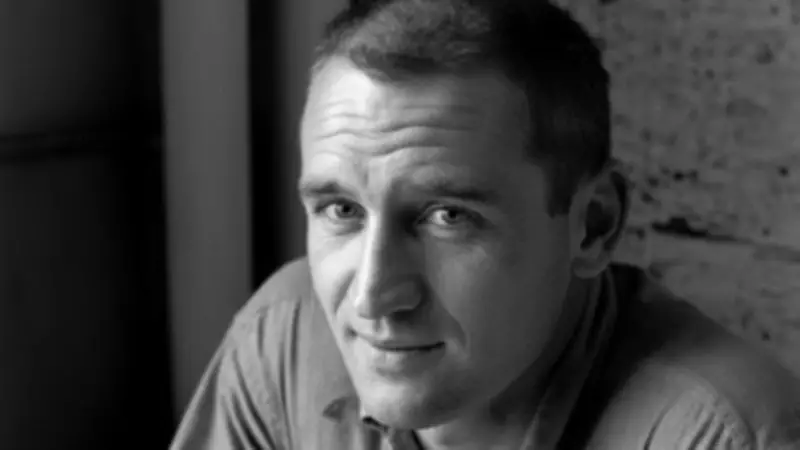
Neal Cassady: The Unseen Force Behind the Beat Generation
On February 8, the world marked what would have been the 100th birthday of Neal Cassady, a figure whose name may not grace many book covers but whose influence pulses through some of the most transformative literature of the 20th century. Cassady's legacy is not built on published works but on the raw, unfiltered life he lived—a life of relentless motion and emotional intensity that reshaped the artistic visions of those around him.
The Muse to Literary Giants
Cassady served as a profound muse to Jack Kerouac and Allen Ginsberg, the pioneering voices of the Beat Generation. He embodied a philosophy of unrestrained thought, feeling, and movement, showing these writers a path beyond conventional boundaries. Kerouac immortalized him as Dean Moriarty, the vibrant, kinetic heart of the seminal novel On the Road. To Ginsberg, Cassady was both a lover and an artistic inspiration, later celebrated as the "secret hero" of the iconic poem Howl.
A Life Defined by Movement and Struggle
Born in 1926 in Salt Lake City, Cassady entered a world already in flux. His family was traveling at his birth, setting a precedent for a life of constant motion. Tragedy struck early when his mother died when he was just 10 years old. His father's struggles with alcoholism led them to drift through the American West in poverty and instability. From these hardships, Cassady learned to survive through sheer energy and charisma.

As a teenager in Denver, he embraced a fast-paced existence, engaging in car thefts, spending time in reform school, and facing jail sentences. Yet, amid this chaos, he cultivated a deep intellectual curiosity, reading voraciously and teaching himself to write. His prose was characterized by its rapid flow, intimate tone, and emotional vulnerability. He believed in momentum over revision, trusting that truth emerged when language kept moving forward.
Catalyst for Literary Innovation
In 1946, Cassady's arrival in New York City electrified the literary scene. His endless conversations, candid confessions, and attentive listening captivated writers. His letters, particularly a lengthy one sent to Kerouac in 1950, had a profound impact. Kerouac described this letter as a revelation, demonstrating that prose could mirror the spontaneous flow of thought. This insight helped unlock what Kerouac termed "spontaneous prose," a style that would define a generation of writers.
The Personal Cost of a Nomadic Life
While Cassady's life inspired ideals of freedom and liberation, it also came with significant personal costs. He struggled to balance his desire for movement with a need for stability, marrying multiple times and fathering children he cared for deeply, even as he frequently drifted away. His second wife, Carolyn Cassady, provided a domestic anchor that made his wanderings possible, though her role often remained overlooked in the romanticized narratives of the Beat era.
By the late 1950s, Cassady's lifestyle took a toll, leading to drug use and imprisonment. Friends observed him exhausting himself in a relentless pursuit of intensity, all while searching for something more enduring. In the 1960s, he joined Ken Kesey and the Merry Pranksters, driving the bus named Further across America, once again animating journeys with his talk, laughter, and speed.
A Tragic End and Lasting Legacy
In February 1968, in San Miguel de Allende, Mexico, Cassady attended a party, drank heavily, and wandered off into the night. He was found unconscious near railroad tracks and died later that day at the age of 41. Posthumously, fragments of his writing were published, most notably in The First Third, revealing a sharp observational eye, emotional daring, and a natural rhythmic sense.
Neal Cassady's legacy endures as profoundly human and unfinished. He was a complex figure—generous yet reckless, loving yet unreliable, gifted yet overwhelmed. A century after his birth, he remains not as a static monument but as a dynamic presence, felt in the rush of a sentence, the allure of the open road, and the poignant realization that speed carries both freedom and loss.