Netflix Co-CEO Pledges Continued Theatrical Support Amid Warner Bros Acquisition
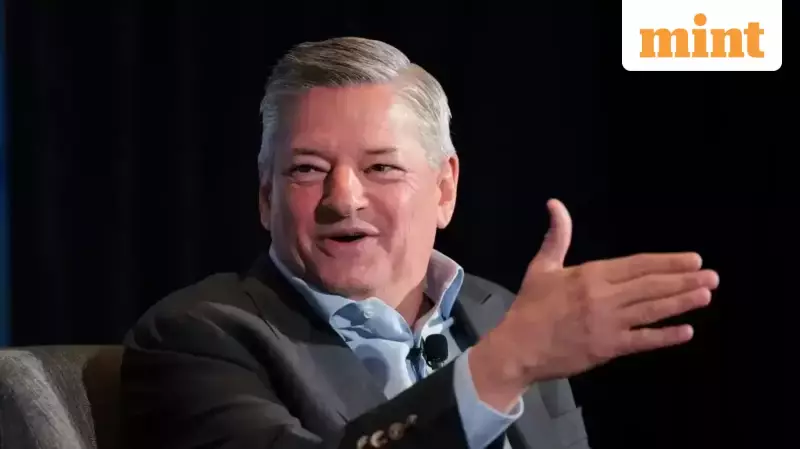
Netflix co-chief executive Ted Sarandos has directly addressed growing industry worries about the streaming platform's dedication to theatrical film distribution. He emphasized that Netflix's potential acquisition of Warner Bros. Discovery will not damage the traditional cinema model. Sarandos made these comments during a period of increased examination from cinema owners, filmmakers, and trade organizations as Netflix works to expand its Hollywood presence.
Specific Pledge on Theatrical Windows
In a recent interview with The New York Times, Sarandos confronted rising anxiety about Netflix's plans for theatrical movies once the massive $82 billion acquisition of Warner Bros concludes. He provided a clear promise that movies from the acquired studio would continue receiving cinema releases. These releases will maintain a minimum 45-day theatrical window, matching the long-established industry standard.
"When this deal closes, we will own a theatrical distribution engine that is phenomenal and produces billions of dollars of theatrical revenue that we don't want to put at risk," Sarandos stated. "We will run that business largely like it is today, with 45-day windows."

Netflix Aims to Compete in Theatrical Space
Sarandos went further to declare Netflix's ambition to become a competitive theatrical player. He expressed a clear desire for box office success, stating: "If we're going to be in the theatrical business, and we are, we're competitive people — we want to win opening weekend. I want to win box office."
This statement directly challenges the widespread perception that Netflix prioritizes streaming over cinema attendance. It marks a significant shift in the company's public positioning regarding theatrical releases.
Addressing Historical Concerns
Sarandos's reinforcement of Netflix's theatrical commitment comes after years during which the company's approach to cinemas often appeared dismissive. Historically, Netflix released only a limited number of films into theatres, typically brief runs for awards qualification or special events. Sarandos himself previously described the traditional theatrical model as "outmoded," suggesting lengthy cinema exclusivity periods did not align with modern consumer viewing habits.
Industry experts note these earlier comments, combined with Netflix's streaming-first philosophy, created unease among cinema owners and distributors. Many feared the platform's growing dominance could erode box office revenues and change audience expectations. The proposed acquisition of Warner Bros — whose film library and upcoming slate include major box office titles — has intensified these concerns significantly.
Industry Reactions and Concerns
Cinema trade group Cinema United has described the deal as a substantial threat to the industry. The organization warns that Netflix's primary business model does not traditionally prioritize theatrical exhibitions. They suggest mismanagement could lead to theatre closures and job losses. Prominent filmmakers have also shared their views, with some expressing skepticism about Netflix's intentions and the future of the theatrical experience.
Golden Globe winning actor Stellan Skarsgård recently discussed movie theatres and their purpose. After accepting the award for Best Supporting Actor, the veteran artist remarked, "Hopefully you'll see it in a cinema because they're an extinguished species now. In a cinema, where the lights go down, and eventually you share the pulse with some other people. That's magic! Cinema should be seen in cinemas."
Sarandos's latest comments represent a deliberate effort to calm these industry fears. They signal Netflix's recognition of the theatrical business's financial and cultural importance, even as the company continues to dominate the streaming landscape.