OTT Revolution Turns Restrictive: Pankaj Tripathi's Shocking Revelations
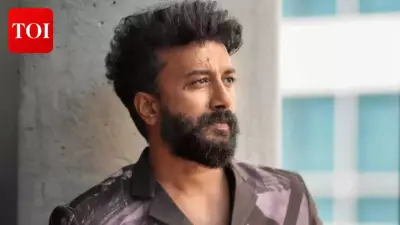
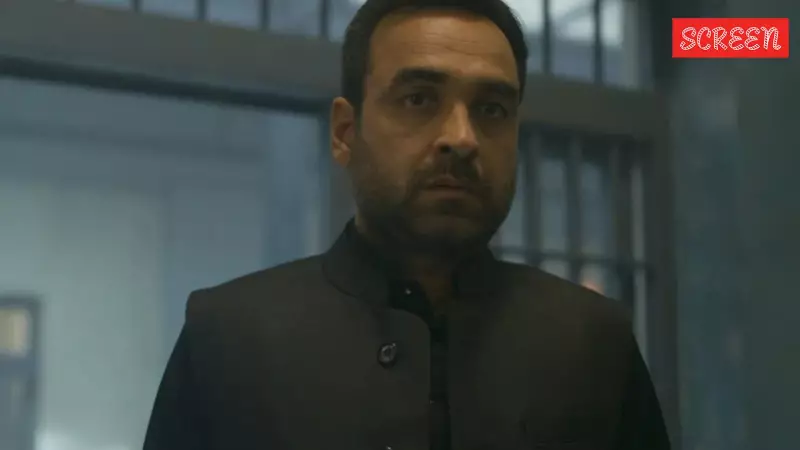
National Award-winning actor Pankaj Tripathi, who rose to nationwide fame through OTT platforms, has now revealed the dark side of streaming giants that initially promised creative freedom. In a recent interview, the acclaimed performer disclosed how over-regulation and legal constraints are stifling artistic expression on digital platforms.
The actor, known for his powerful performances in Sacred Games and Mirzapur, expressed his frustration with the growing bureaucratic control that has transformed the once-liberating OTT space into a creatively restrictive environment.
From Creative Freedom to Legal Approval: The OTT Transformation
It has been nearly eight years since the OTT revolution dramatically altered India's entertainment landscape. Early disruptors like TVF's Pitchers and Netflix's groundbreaking series Sacred Games pioneered a new era of storytelling that broke conventional Bollywood molds.

While these platforms initially provided unprecedented creative space for stories that traditional cinema wouldn't touch, they have gradually evolved into cautious corporate entities. Pankaj Tripathi, who himself became a household name thanks to OTT, confirmed this worrying trend during his conversation with Bollywood Hungama.
The actor, who has now ventured into production with his web series Perfect Family, made the conscious decision to release it on YouTube rather than any major OTT platform. Explaining this unconventional choice, Tripathi stated, "When you join a platform, your creativity becomes constrained. There is a lot of pressure and involvement."
Legal Teams Overriding Creative Instincts
One of the most shocking revelations came when Tripathi described how his signature improvisation skills are being systematically curtailed. The actor, celebrated for his spontaneous line deliveries and natural acting style, revealed that he has now stopped improvising entirely due to platform restrictions.
"I remember I was shooting for a web series and I improvised a line," Tripathi recalled. "A creative head came running to me and said, 'Don't say this.' When I asked why, he said we have to check with the legal team. And I was like, now the legal team will decide what we say? Let the audience decide a few things too. If they don't like something, they will reject it on their own."
This incident highlights the growing tension between artistic expression and corporate risk management that has become characteristic of major streaming platforms.
The Poetry Controversy: When Copyright Concerns Stalled Shooting
Another telling example of excessive caution involved a simple poetry recitation scene. Tripathi shared an incident where production came to a complete halt over copyright concerns for just four lines of poetry.
"I had to recite a poem for a scene. They told me we needed copyright permission," the actor explained. "I said, it's just four lines, what copyright issue can there be? I insisted, but they refused, and eventually the shoot stalled."
Demonstrating his commitment to creative integrity, Tripathi took matters into his own hands. "So I contacted the poet's family. I spoke to his son, and he said there was no copyright issue at all. He only asked if I could click a photo of myself with the book, his father would be happy. So I went ahead and said those four lines."
Choosing Freedom: The YouTube Alternative
Frustrated by the creative constraints of mainstream OTT platforms, Tripathi has chosen to release his production debut Perfect Family on YouTube under a structured pay model. This approach mirrors the strategy Aamir Khan employed for Sitaare Zameen Par earlier this year.
The series will be available on the JAR Series YouTube channel, with the first two episodes accessible for free and the remaining episodes unlockable through a one-time payment of Rs 59. This model represents a growing trend among creators seeking alternatives to the restrictive environment of major streaming services.

Tripathi emphasized the creative liberation this approach offers: "They decide who the creative head will be, the writing has to be approved, then they say the production value doesn't look right. But here (on YouTube), there is complete freedom."
The actor's revelations come at a crucial time when the OTT industry in India is maturing, raising important questions about the balance between creative freedom and corporate responsibility in the digital entertainment space.