

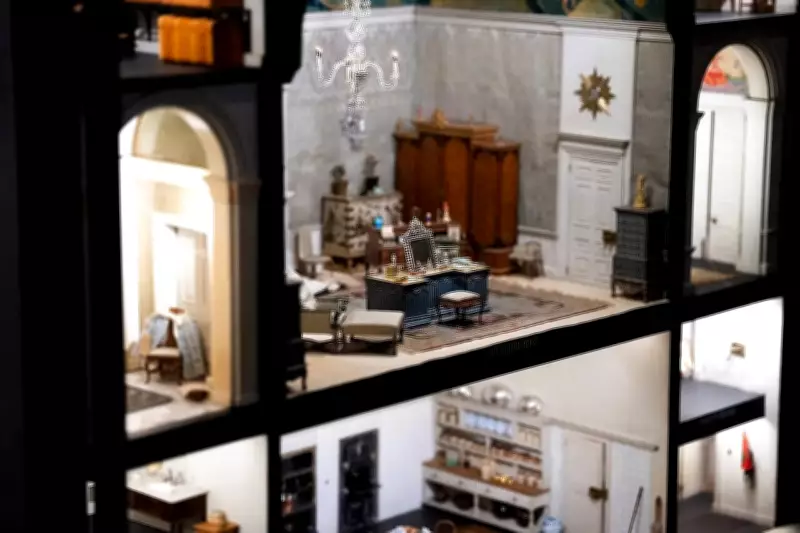
Visitors often spend considerable time examining a small house constructed to depict the Edwardian era, displayed under protective glass screens in a dedicated exhibition room at Windsor Castle. This rare showcase illustrates a perfect blend of architectural craftsmanship and royal patronage from the early twentieth century. While other rooms in the castle feature large tapestries, grand oil paintings, and historic military armour, this particular exhibit directs attention to something miniature and meticulously crafted. The purpose of creating this miniature property was to provide a tangible history of the past era through small-scale details.
Preservation and the Arts and Crafts Movement
The preservation and exhibition of this model house have become an enduring part of the British Arts and Crafts movement. The endeavour began after the First World War, bringing together many distinguished artists, writers, and craftsmen from Britain in a collaborative effort. The project was undertaken not merely as a toy but as a serious exercise in architectural model-making, adhering to the high standards of a grand domestic establishment. By capturing complex domestic infrastructures in miniature format, the exhibit has created a valuable visual record that continues to captivate visitors.
Precision Engineering of the Edwardian Scale Model
Creating such a unique piece required rigorous planning under the management of a renowned architect of the time. According to a historical profile by the Royal Collection Trust titled Queen Mary's Dolls' House, the model was designed by Sir Edwin Lutyens and crafted by leading artists, makers, and manufacturers at an accurate scale of one to twelve. The engineering process ensured that all internal workings functioned like those of a normal house. The internal design includes scaled-down public utility networks, as detailed in an archival report by The Guardian titled Thinking Big in Small Rooms. The property was built to perfection, featuring an integrated electricity supply to illuminate the rooms, operational lifts, and a running water system. The kitchen spaces are equipped with miniature appliances and utensils, many exhibiting extraordinary realism. The service quarters reveal the exact operational hierarchy of a major domestic establishment from the early twentieth century.

The use of realistic internal systems sets this miniature model apart from typical static museum displays. The model includes scaled variants of high-quality products in miniature forms, such as functional keys, authentic linen material, and minute containers filled with genuine liquids supplied by commercial vendors. The engineering techniques used to construct these miniature items created a lasting historical reference of industrial design from the early decades of the twentieth century.
Inclusion of Modern Literature in the Preserved Environment
The importance of the miniature house in modern culture has been sustained through preservation and institutional activities. According to a BBC article titled Queen Mary's Dolls' House Treasures on Show at Windsor Castle, this set of miniature treasures was displayed to mark the 100th anniversary of its creation. The unique display includes a mini library with literary works handwritten by famous authors of the period. This literary feature shows that the model remains an active archive rather than an inactive piece of history. By creating space for smaller works of art, the museum maintains a connection with larger artistic discussions from other epochs.
The history of the exhibition demonstrates that even a small model can engage audiences if it combines craftsmanship with functional use. Providing an intriguing insight into life during the Edwardian period, this model proves to be an effective point of interest within the broader exhibition of the royal archives.

