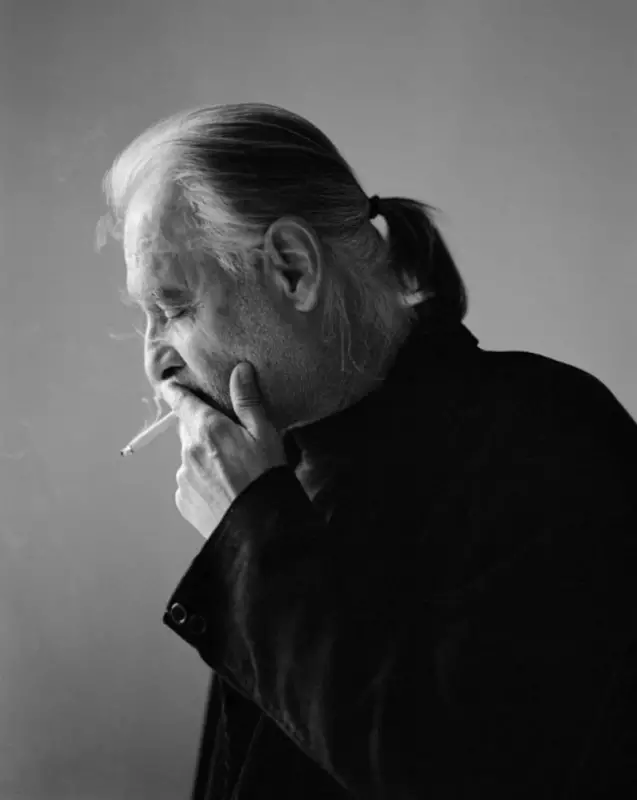
The world of cinema has lost one of its most distinctive and uncompromising voices. Hungarian filmmaker Bela Tarr, renowned for his stark, black-and-white, and often bleakly comic explorations of the human condition, has died at the age of 70. His passing was confirmed by his production company, T.T. Filmmuhely, marking the end of an era for auteur-driven European cinema.
A Legacy Forged in Long Takes and Stark Imagery
Bela Tarr's filmography, though not extensive in number, is monumental in its artistic ambition and impact. He carved a unique niche with films characterized by exceptionally long takes, mesmerizing black-and-white cinematography, and a profound, often grimly humorous, gaze at societal decay and existential struggle. His style evolved from early social realist works into the epic, philosophical narratives that defined his later career.
His international breakthrough came with the seven-hour masterpiece Satantango (1994), adapted from Laszlo Krasznahorkai's novel. The film, with its hypnotic pacing and intricate portrayal of a collapsing agricultural collective, cemented his reputation as a filmmaker of extraordinary patience and vision. This was followed by other major works like Werckmeister Harmonies (2000) and what he declared would be his final film, The Turin Horse (2011). The latter, a bleak meditation on the end of the world inspired by an incident involving philosopher Friedrich Nietzsche, won the Silver Bear Grand Jury Prize at the Berlin International Film Festival.

An Influential Voice in World Cinema
Tarr's influence extends far beyond the borders of Hungary. He is revered by cinephiles and filmmakers globally for his unwavering commitment to a personal artistic vision. His films, while challenging in their length and somber tone, offered a completely unique cinematic language. They were less about conventional plot and more about immersing the viewer in a specific atmosphere, rhythm, and philosophical inquiry.
Beyond directing, Tarr was a dedicated teacher and mentor. He founded the Film.Factory in Sarajevo, an international film school where he shaped the next generation of filmmakers. His pedagogical approach emphasized independence and artistic integrity, values he embodied throughout his own career. His decision to stop making feature films after The Turin Horse was a statement in itself, choosing to leave behind a complete and coherent body of work rather than continue for the sake of production.
Remembering the Auteur
The news of his death has prompted an outpouring of tributes from across the film industry, from fellow directors to critics and devoted fans. He is remembered not just for the films he made, but for the way he made them—with meticulous craft, deep humanity, and a singular perspective that refused commercial compromise.
Bela Tarr's cinema asked difficult questions about hope, despair, community, and isolation. In an age of rapid cuts and digital spectacle, his work stood as a powerful testament to the potency of the slow, deliberate, and beautifully composed image. He is survived by his wife and creative collaborator, Agnes Hranitzky, a film editor who worked on all his major projects. While the director has passed, his haunting and magnificent films ensure his formidable presence will endure in the annals of world cinema.