The Pan-India Dream Faces Reality Check
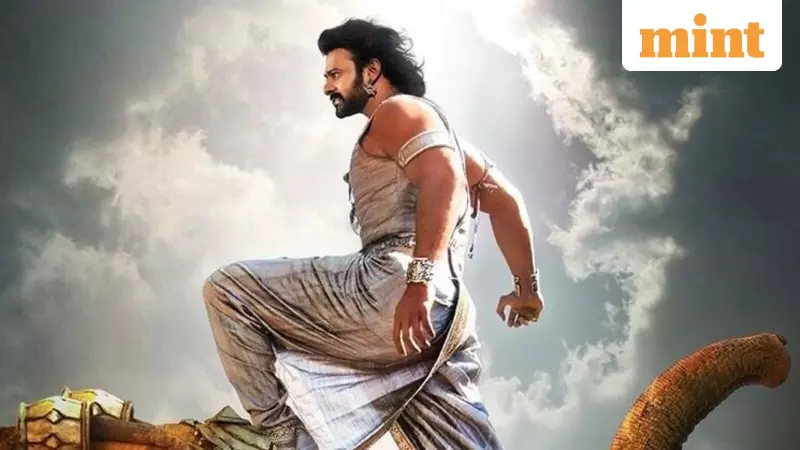
Remember 2015? Salman Khan usually ruled the Eid box office. That year, something unexpected happened. A week before Bajrangi Bhaijaan released, a Telugu film stormed north Indian cinemas. Directed by S.S. Rajamouli, Baahubali: The Beginning sparked pure madness. It earned ₹5.15 crore on day one. By week's end, collections crossed ₹46 crore in the north. The final tally reached nearly ₹120 crore.
This epic action film changed everything. Made with a ₹180 crore budget, it collected ₹650 crore across languages. Southern dubbed films were no longer just satellite TV fare. They became mainstream. The question 'Why Katappa killed Baahubali?' became a national obsession. Two years later, Baahubali 2 shattered records, crossing ₹1,000 crore worldwide.
Success Stories Emerge, But Failures Pile Up
Rajamouli's franchise opened floodgates. The term 'pan-India movies' entered popular vocabulary. These are primarily Telugu films with action, visual effects, and melodrama. They get dubbed in Hindi and other languages. Marketing mimics Bollywood strategies. They filled a void left by Hindi cinema, which increasingly targeted metro audiences after 2010.

Other hits followed:
- Pushpa (Allu Arjun): Hindi version earned over ₹108 crore for part one. Part two crossed ₹800 crore, becoming the second-highest grossing Hindi film.
- RRR (Rajamouli): Collected ₹274.31 crore in Hindi.
- KGF and Kantara (Kannada): Successful franchises.
Yet the wave faces serious challenges. Genuine successes remain rare. Too many filmmakers jumped on the bandwagon. Their films often don't justify marketing expenses. Bridging north-south cultural sensibilities proves tough. Many films end up neither here nor there.
Why Many Dubbed Films Crash and Burn
Several factors contribute to failures. First, overreliance on action and period dramas with little innovation bores audiences. Second, the OTT window creates problems. Southern films, especially Tamil ones, premiere online within four weeks. National multiplex chains like PVR Inox and Cinepolis then refuse to screen Hindi versions in the north. This restricts access dramatically.
Audiences have become selective. They choose southern content as carefully as Bollywood films. According to a 2023 Ormax Media report, Hindi dubs of southern films quadrupled between 2019 and 2022-23. But out of 42 dubs released from January 2020 to August 2023, only nine crossed ₹15 crore lifetime box office in Hindi.
Shobu Yarlagadda, CEO of Arka Mediaworks (Baahubali producer), explains: "Not every film can appeal across languages. Some are deeply rooted in southern culture. They're difficult for others to follow. When you see some films connect across markets, everyone feels they have a chance."
Big Stars, Big Disappointments
Several star vehicles have misfired badly:
- Chiranjeevi's Godfather (2022): ₹10.49 crore in Hindi belt.
- Kamal Haasan's Thug Life (2025): ₹1.56 crore.
- Prabhas's The Raja Saab (2026): Just over ₹12 crore for Hindi version.
Even previous successes don't guarantee future wins. Teja Sajja's Hanu-Man (2024) earned over ₹57 crore in Hindi with no promotions. His 2025 follow-up Mirai made less than ₹18 crore. The Hindi version of Baahubali: The Epic (combined shortened version) earned only ₹6.13 crore last year.
Shailesh Kapoor, founder of Ormax Media, notes: "Large-scale action is no longer enough. Audiences want unique, imaginative content. Southern films need traction in Delhi, Punjab, Uttar Pradesh. That requires a different marketing mix, putting financial pressure on producers."
Marketing Costs and OTT Hurdles
Big southern films like RRR and Pushpa upped their Hindi belt game. They targeted shows like Bigg Boss and The Kapil Sharma Show. They collaborated with north Indian influencers. Radio, outdoor ads, multi-city tours became common. For Pushpa 2, Allu Arjun even traveled to Patna for a trailer launch.

Experts say marketing adds ₹20-25 crore for a ₹100 crore film. For smaller films (₹15-20 crore budget), marketing costs can exceed production budget. Without star recognition in the north, driving first-day footfalls becomes tough. Producers then focus on home states where recovery is steadier, relying on OTT sales.
Rahul Puri, MD of Mukta Arts, states: "The OTT window is definitely part of the problem. Multiplexes won't screen Hindi versions. But bigger films have agreed to longer windows. Not every film is meant to cross over the same way."
Bollywood's Own Pan-India Struggles
While southern films grapple with the Hindi belt, Bollywood faces reverse challenges. Tentpole Hindi movies mostly flop in the south. Except for Jawan (directed by Tamil filmmaker Atlee), no recent Hindi film drew big numbers in Tamil Nadu, Kerala, Andhra Pradesh, Telangana, or Karnataka.
These were once lucrative markets for Shah Rukh Khan and Salman Khan films. Consider recent performances:
- Pathaan: Over ₹512 crore domestic, but less than ₹18 crore from Tamil Nadu and Kerala combined, ₹38 crore from Telugu states.
- Animal: Over ₹462 crore domestic, but only ₹6.81 crore from Tamil Nadu and Kerala, about ₹40.22 crore from Telugu states.
- Dhurandhar: Over ₹860 crore domestic, but only ₹52.61 crore from Telugu states, just over ₹9 crore from Tamil Nadu and Kerala.
Trade experts explain southern audiences prefer native language films catering to mass tastes. Hindi films often target multiplex audiences with experimental stories. Bollywood is only rediscovering commercial sensibilities. Southern film allure ties to charismatic stars and popular music. Bollywood stars seem overexposed and typecast.
Independent exhibitor Vishek Chauhan observes: "Bollywood connects with elite urban audiences in the south who follow Hindi. But films don't resonate beyond Chennai, Hyderabad, Bengaluru. Viewers there already have massy films. Bollywood makes few mass-market films, and they resemble southern ones. That's a double whammy."
The pan-India journey continues. Some films will cross over spectacularly. Many will stumble. Cultural specificity, marketing costs, OTT policies, and audience selectivity shape this unpredictable landscape. The dream that began with Baahubali's roar now faces sobering realities.