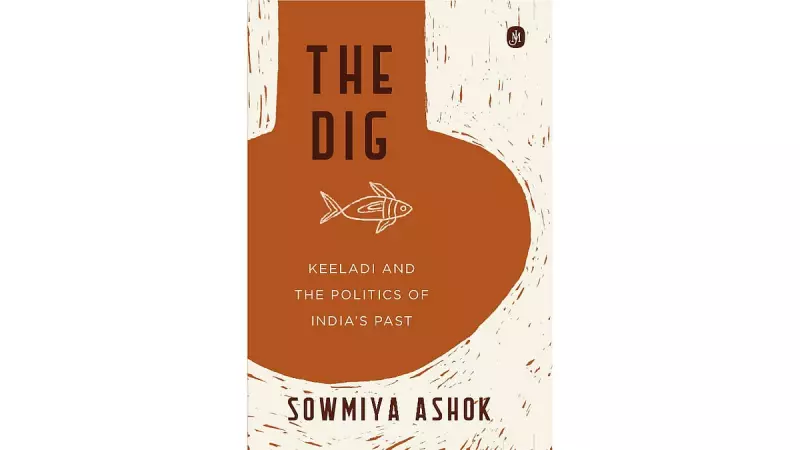
Sowmiya Ashok's debut novel, The Dig, emerges as a powerful narrative that intertwines a personal mystery with one of Chennai's most devastating natural disasters. Set against the backdrop of the catastrophic 2015 floods, the story follows Nandini, a journalist who returns to her hometown to care for her ailing mother, only to be pulled into the unresolved disappearance of a childhood friend.
A Mystery Buried in the Deluge
The plot of The Dig is cleverly constructed around two timelines. In the present, Nandini grapples with her mother's dementia and the haunting memories of her friend Anu, who vanished years ago. The past timeline delves into their complex friendship during their school days. The connection between these eras is the great flood of 2015, an event that not only submerged the city but also unearthed long-buried secrets. Ashok uses the floodwaters as a potent metaphor, suggesting that truths, like submerged objects, eventually rise to the surface.
The 2015 Chennai floods serve as more than just a setting; they are a central character in the novel. Ashok's descriptions of the relentless rain, the rising water, and the city's paralysis are visceral and deeply researched. She captures the collective trauma, the failure of infrastructure, and the remarkable spirit of community rescue efforts that defined those harrowing days in November and December 2015.

Journalistic Insight Meets Literary Craft
Ashok's background as a journalist shines through in the novel's meticulous detail and authentic portrayal of Nandini's professional world. The investigative threads feel real, and the portrayal of Chennai—its neighborhoods, its people, and its specific cadence of life—is rendered with affection and accuracy. The narrative voice is measured and compelling, balancing the urgency of a thriller with the emotional depth of literary fiction.
The characters are richly drawn. Nandini's journey is one of confronting the past, both her own and the city's. Her mother's fading memory contrasts sharply with Nandini's need to remember and solve the puzzle of Anu's fate. The novel explores themes of memory, guilt, the fragility of urban life, and the secrets families keep. It asks how well we truly know those closest to us and what we are willing to bury.
Why This Book Resonates
The Dig is a significant addition to contemporary Indian fiction for several reasons. Firstly, it provides a fictional yet deeply authentic account of a real-world catastrophe that affected millions. Secondly, it successfully merges the pace and intrigue of a crime novel with serious literary themes. For readers who lived through the Chennai floods, it will be a poignant reminder. For others, it is a gripping introduction to that event through a very human story.
The book, published by Context, an imprint of Westland Books, has been praised for its taut prose and atmospheric tension. It moves beyond being just a 'disaster novel' or a 'murder mystery' to become a nuanced study of a city and its inhabitants under extreme duress. Sowmiya Ashok announces herself as a bold new voice in Indian writing, one who can handle grand scale events without losing sight of intimate, personal truths.
In conclusion, The Dig is a compelling and timely read. It is a story about digging—through mud, through the past, and through layers of personal and collective denial—to find a form of truth and, perhaps, redemption. It is highly recommended for anyone interested in stories that are both locally resonant and universally human.