

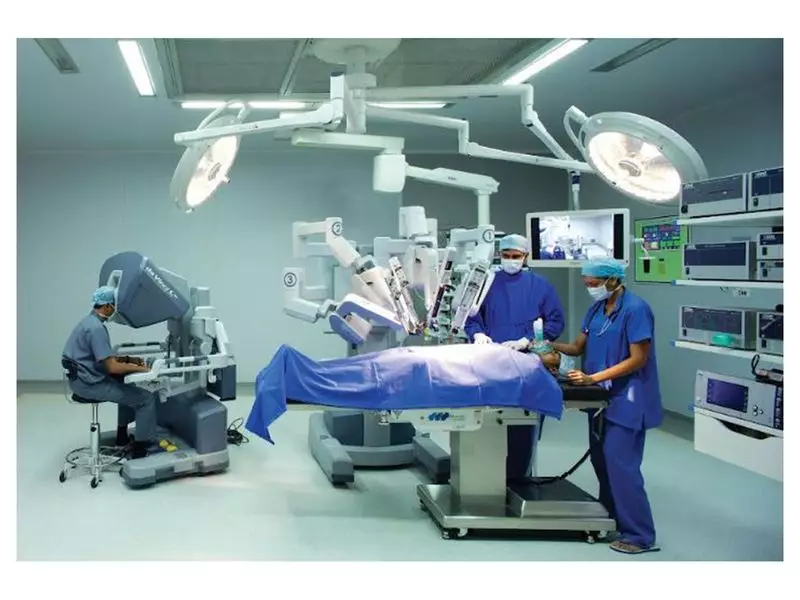
The year 2025 marked a significant turning point for healthcare in India, witnessing a powerful convergence of cutting-edge digital technology and the deep-rooted wisdom of traditional medical systems. This unique fusion created a more accessible, personalized, and holistic health ecosystem for millions of citizens.
The Digital Health Surge: Telemedicine and AI Take Center Stage
Driven by necessity and accelerated by post-pandemic adaptation, digital healthcare tools saw unprecedented adoption. Telemedicine platforms became a household staple, moving beyond mere convenience to a core component of primary care. This was particularly transformative for patients in rural and remote areas, who gained access to specialist consultations without the burden of long-distance travel.
Artificial Intelligence (AI) began playing a crucial supportive role in diagnostics and patient management. AI-powered algorithms assisted doctors in analyzing medical images, predicting potential health risks based on patient data, and streamlining hospital operations. The government's continued push for a unified digital health infrastructure, including the expansion of the Ayushman Bharat Digital Mission (ABDM), provided the essential backbone for this tech-driven growth.

Traditional Systems Regain Prominence: The Ayurveda and Yoga Renaissance
Parallel to the digital boom, 2025 saw a robust revival of India's traditional medical systems, most notably Ayurveda, Yoga, and Naturopathy. This wasn't merely a cultural resurgence but a strategic shift towards preventive and lifestyle-based wellness. Citizens increasingly sought out these time-tested practices for managing chronic conditions, boosting immunity, and enhancing overall quality of life.
The integration of traditional medicine into the mainstream was formalized through several government initiatives and research programs aimed at validating and standardizing these practices. Ayurvedic protocols and Yoga-based interventions were increasingly recommended alongside allopathic treatments for a complementary effect, especially in areas like mental health, digestive disorders, and rehabilitation.
A Hybrid Future: Integrating the Best of Both Worlds
The most defining trend of 2025 was the emergence of a synergistic healthcare model. Clinics and hospitals began offering integrated services where a patient's treatment plan could include an AI-assisted diagnosis, a tele-follow-up with a specialist, and a personalized Ayurvedic dietary regimen or Yoga therapy schedule—all managed through a single digital health ID.
This hybrid approach addressed the long-standing gaps in the Indian healthcare system. It combined the scalability and precision of modern technology with the holistic, preventive, and cost-effective nature of traditional medicine. The year set a clear precedent: the future of Indian healthcare lies not in choosing between technology and tradition, but in weaving them together to create a system that is both advanced and deeply rooted in indigenous knowledge.
As the year concluded, the consensus among policymakers and health experts was clear. The journey that accelerated in 2025 towards a digitally-enabled, traditionally-grounded healthcare paradigm is poised to make India a unique global leader in providing sustainable and comprehensive health solutions to its vast population.






