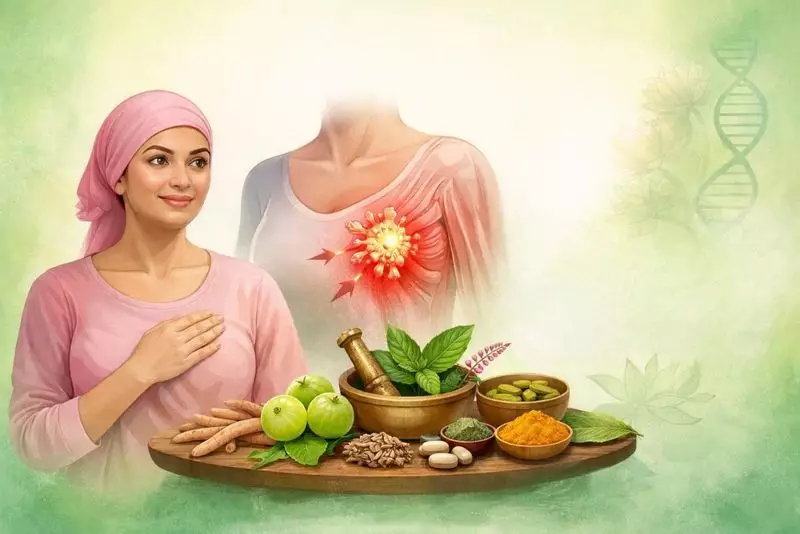
In a significant development for cancer care in India, a growing movement is seeing Ayurveda being integrated with Western medicine to better address the complex needs and expectations of breast cancer patients. This holistic approach aims to manage side effects, improve quality of life, and support the body's resilience during and after conventional treatments like chemotherapy and radiation.
The Synergy of Two Healing Systems
The integration is not about replacing modern oncology but creating a complementary framework. Experts emphasize that Ayurveda serves as a supportive therapy, working alongside surgery, chemotherapy, and radiotherapy. The primary goal is to mitigate the often-debilitating side effects of aggressive cancer treatments, which can include severe fatigue, nausea, loss of appetite, neuropathy, and emotional distress.
Dr. Anjali Patil, a noted practitioner in integrative oncology, explains that the ancient science of Ayurveda focuses on restoring balance within the body. "While Western medicine powerfully targets the tumor, Ayurvedic principles help strengthen the patient's overall constitution, or 'Prakriti,'" she states. This involves personalized regimens involving dietary modifications (Ahara), lifestyle adjustments (Vihara), and specific herbal formulations (Aushadhi) tailored to the individual's needs and the phase of their cancer treatment.

Addressing the Full Spectrum of Patient Needs
Breast cancer treatment is a physically and emotionally taxing journey. Patient expectations have evolved beyond mere survival to encompass a desire for a good quality of life during and after therapy. This is where the integrative model shows profound promise. Ayurvedic interventions are being used to:
- Boost energy levels and combat cancer-related fatigue, one of the most common complaints.
- Improve digestive health and appetite, counteracting the effects of chemotherapy.
- Support mental well-being and reduce anxiety through meditative practices and specific herbs.
- Enhance immune function, which can be compromised by conventional treatments.
- Manage pain and inflammation through natural, non-addictive modalities.
This approach aligns with the global shift towards patient-centric care, recognizing that healing involves the mind, body, and spirit. It empowers patients by giving them an active role in their recovery process through daily practices and dietary discipline.
Evidence and Cautious Integration
The call for integration comes with a strong emphasis on evidence and safety. Leading oncologists and Ayurvedic doctors advocate for open communication and collaboration between both sets of practitioners. It is crucial that patients inform their oncologist about any Ayurvedic supplements they are taking to avoid potential herb-drug interactions that could interfere with the efficacy of chemotherapy.
Research initiatives are underway to scientifically validate the role of specific Ayurvedic protocols in supportive cancer care. The aim is to build a robust, evidence-based framework that can be standardized and safely implemented across oncology centers. This cautious, scientific integration is key to gaining wider acceptance in the mainstream medical community and ensuring patient safety remains paramount.
The trend reflects a broader recognition within India's healthcare landscape of the value its traditional medical systems can bring to modern challenges. For breast cancer patients, this fusion offers a more compassionate and comprehensive pathway through diagnosis, treatment, and survivorship, ultimately aiming to meet their expectations for both longevity and quality of life.