

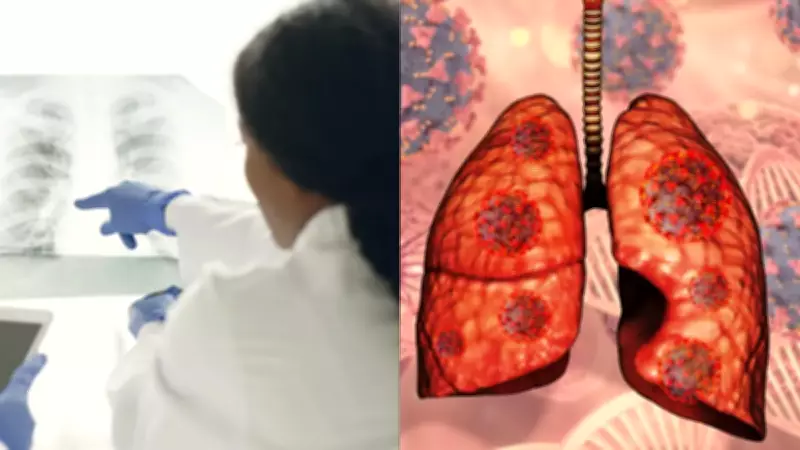
Ayurvedic Approaches for Treating Lung Infections Safely and Naturally
Lung infections, such as bronchitis or pneumonia, can significantly impact respiratory health, leading to symptoms like coughing, shortness of breath, and fatigue. In recent years, there has been a growing interest in Ayurveda, the ancient Indian system of medicine, for managing such conditions. Ayurveda offers holistic methods that focus on balancing the body's doshas—Vata, Pitta, and Kapha—to promote healing and prevent recurrence.
Understanding Lung Health in Ayurveda
According to Ayurvedic principles, the lungs are primarily governed by the Kapha dosha, which is associated with moisture and stability. When Kapha becomes imbalanced due to factors like poor diet, environmental toxins, or stress, it can lead to the accumulation of mucus and inflammation in the respiratory tract, making the lungs more susceptible to infections. Ayurveda emphasizes a personalized approach, considering an individual's constitution and the specific nature of the infection to tailor treatments effectively.
Key Ayurvedic Remedies for Lung Infections
Ayurveda provides a range of natural remedies that can help alleviate symptoms and support lung recovery. These include:

- Herbal Formulations: Herbs like Tulsi (Holy Basil), Vasaka (Malabar Nut), and Licorice are commonly used for their anti-inflammatory and expectorant properties. They help reduce mucus buildup and soothe irritated airways.
- Dietary Adjustments: A diet rich in warm, easily digestible foods is recommended. Incorporating spices such as turmeric, ginger, and black pepper can boost immunity and reduce inflammation. Avoiding cold, heavy, or processed foods is crucial to prevent aggravating Kapha.
- Lifestyle Practices: Practices like Pranayama (breathing exercises) and steam inhalation with eucalyptus or camphor can clear congestion and improve lung function. Regular exercise, tailored to one's capacity, also enhances respiratory strength.
- Detoxification Therapies: Panchakarma, a set of Ayurvedic detox procedures, may be advised in severe cases to eliminate toxins and restore balance. However, this should be done under professional supervision.
Safety Considerations and Precautions
While Ayurvedic treatments are generally safe, it is essential to consult a qualified Ayurvedic practitioner before starting any regimen, especially for chronic or severe infections. Self-medication can lead to adverse effects or interactions with conventional medicines. Pregnant women, children, and individuals with pre-existing conditions should exercise extra caution. Integrating Ayurveda with modern medical care, when necessary, can provide a comprehensive approach to lung health.
Long-Term Benefits and Prevention
Beyond treating acute infections, Ayurveda focuses on preventive care to maintain robust lung health. Regular use of immune-boosting herbs, a balanced diet, and stress management techniques can reduce the risk of future infections. Seasonal routines, such as adjusting diet and activities according to weather changes, are also emphasized to keep the respiratory system resilient.
In summary, Ayurveda offers a natural and holistic path to managing lung infections by addressing root causes and promoting overall well-being. With proper guidance, these methods can be a safe complement to conventional treatments, helping individuals breathe easier and live healthier lives.






