

AYUSH University VC Stresses Need to Report Side Effects of Ayurvedic Medicines
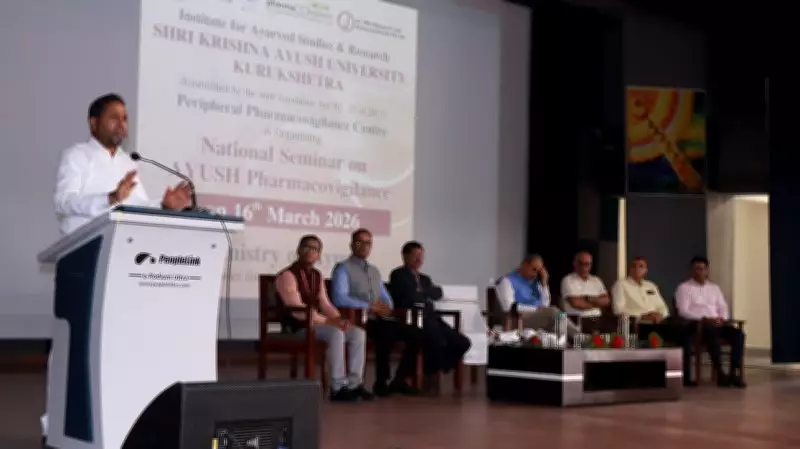
In a significant move to enhance safety in traditional medicine, Shri Krishna AYUSH University Vice-Chancellor Prof Vaidya Kartar Singh Dhiman has issued a crucial warning: the potential side effects of ayurvedic medicines must not be overlooked and should be reported with comprehensive details. This statement was made during a national seminar held at the university auditorium in Kurukshetra on Monday, March 17, 2026.
Challenging Common Misconceptions
Prof Dhiman addressed a widespread belief, stating that it is incorrect to assume ayurvedic medicines never cause adverse reactions. He highlighted that the issue has not been sufficiently studied due to a lack of developed reporting habits among practitioners and patients. "Systematic reporting of side effects is essential to increase awareness and improve treatment safety," he emphasized, urging for a more proactive approach in pharmacovigilance.
National Seminar on Pharmacovigilance Awareness
The seminar, titled "Awareness about pharmacovigilance among ayurveda, siddha, homoeopathy and Unani practitioners," saw participation from key figures in the field. Dr Allamprabhu Gudda, president of the Ayurveda Board of the National Commission for Indian System of Medicine (NCISM), attended the event, underscoring its importance. Resource persons included Dr Tarun Sharma, Assistant Professor at the National Institute of Ayurveda, Jaipur, and coordinator of IPVC, along with Dr Vidhan Mahajan, coordinator of NPVC.

Around 345 participants from states including Haryana, Punjab, and Uttar Pradesh gathered to discuss strategies for better monitoring and reporting of adverse drug reactions. Researchers such as Dr Sunil Godara and Dr Piyush Chaudhary presented their papers, contributing to the dialogue on enhancing safety protocols in traditional medicine systems.
Importance of Investigation and Reporting
Prof Dhiman further elaborated that when any medicine causes an adverse reaction, it is imperative to investigate the underlying reasons thoroughly. "Proper reporting mechanisms will not only aid doctors and researchers but also lead to safer and more effective treatment methods," he noted. This call to action aims to foster a culture of transparency and accountability in the ayurvedic community, potentially reducing risks associated with herbal and traditional remedies.
The event marks a pivotal step towards integrating modern pharmacovigilance practices with ancient healing systems, ensuring that the benefits of ayurveda are maximized while minimizing potential harms.






