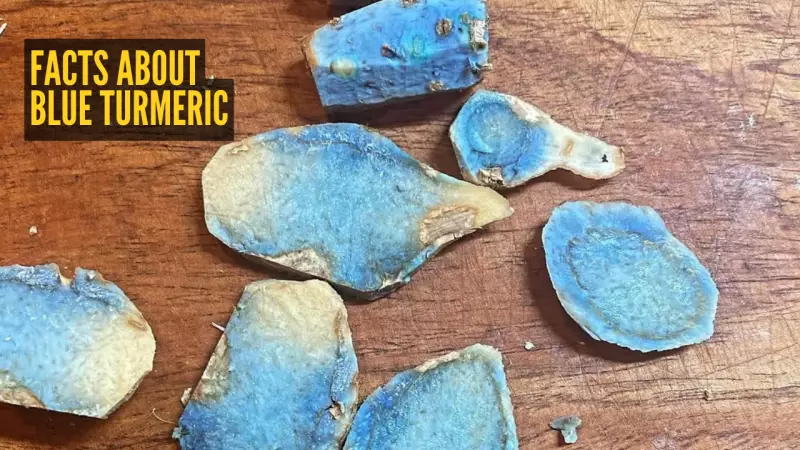
Move over, common yellow haldi. A rare and visually striking variant is capturing the attention of wellness enthusiasts and researchers alike: Blue Turmeric. Known scientifically as Curcuma caesia Roxb., this unique rhizome boasts a deep bluish-black flesh and a host of potent medicinal properties, setting it apart from the ubiquitous kitchen spice.
What Exactly Is Blue Turmeric?
Blue Turmeric is a distinct botanical species compared to the regular yellow turmeric (Curcuma longa) found in every Indian kitchen. It is characterized by its dark outer skin and a strikingly bluish or deep black interior. The flavour profile is sharp, reminiscent of camphor, with a minty aftertaste. Unlike its yellow cousin, it is not commonly used as a daily culinary spice but is highly prized in traditional medicine systems across several Indian states.
The primary source of its potency lies in its curcuminoid content, compounds renowned for their powerful anti-inflammatory effects. This makes Blue Turmeric a potential natural remedy for conditions like arthritis and inflammatory bowel disease.

Where Is It Grown and What Does Science Say?
This rare spice isn't cultivated on a mass scale. Its growth is confined to specific regions of India where soil and climate conditions are ideal. It is primarily found in parts of Kerala, Tamil Nadu, Andhra Pradesh, Odisha, and some North-Eastern states.
Modern research is beginning to validate its traditional uses. A significant study titled 'Blue elixir of youth and wellness: The multicomponent-multitarget paradigm of Curcuma caesia Roxb' highlights its remarkable properties. The research positions Blue Turmeric as an innovative source of catechins and a novel antioxidant. Crucially, the study suggests it can delay UVB-induced aging in skin cells (HaCat Cells), marking it as a potential original ingredient for anti-aging functional foods and cosmetics.
Beyond skincare, the study notes its anti-inflammatory, antibacterial, and anticancer properties. The pharmaceutical and cosmeceutical industries are exploring its use in developing herbal medicines, essential oils, health supplements, and advanced skincare products.
Traditional Uses and Recommended Intake
How is this blue wonder used? Experts recommend a modest serving of just 1 to 2 grams. Traditionally, it has been applied to treat swelling, minor injuries, and joint discomfort. For skin health, it is associated with promoting clearer skin, reducing acne, and offering protection against premature aging caused by UV exposure.
The article also references the well-documented benefits of standard turmeric, citing a systematic review titled 'Curcumin and Diabetes'. This review found that curcumin can positively influence key aspects of diabetes, including insulin resistance, high blood sugar, and lipid levels, while also helping prevent the disease's complications.
Spiritual leader Sadhguru is also quoted, recommending the consumption of a marble-sized ball of turmeric on an empty stomach as an effective daily cleanser, which he says can help remove cancerous cells from the body—a practice he emphasizes is preventive rather than curative.
The article concludes with a vital disclaimer: this information is for general knowledge and not medical advice. It is essential to consult a doctor before incorporating Blue Turmeric or any new supplement into your health routine.