Bhubaneswar Municipal Corporation Introduces Eco-Friendly Organic Gulal for Holi
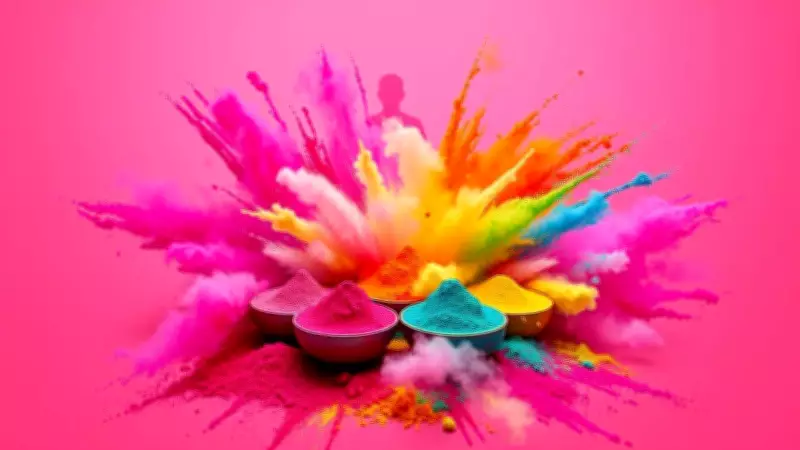
This year, the vibrant festival of Holi in Bhubaneswar will not only be a celebration of colors but also a step towards environmental sustainability and public health. The Bhubaneswar Municipal Corporation (BMC) has launched an innovative initiative by producing organic gulal from temple flower waste, marking its first market entry on Monday. This move aims to provide residents with a safe alternative to chemical-laden colors while addressing waste management challenges.
From Temple Offerings to Festival Colors
For the past six months, the BMC has been systematically collecting used flowers from approximately 700 temples across the city. This effort is part of a broader project that initially focused on creating incense sticks, or 'dhup', from floral waste. So far, the civic body has successfully produced three quintals of organic gulal, with plans to distribute it widely for the Holi festivities.
Kailash Chandra Dash, Additional Commissioner of BMC, elaborated on the process. "We have been manufacturing incense sticks for over a year, and they are already available in the market. The flower waste, amounting to around two quintals, is sourced from temples and processed into gulal by a private agency engaged for this purpose," he stated.

Collaborative Production and Market Strategy
The production involves a partnership where the private agency utilizes its manpower alongside machinery provided by the BMC. Dash confirmed that bulk packets of the organic gulal will be released into the market on Monday, with feedback mechanisms in place through the agency to gauge public response. This initiative not only promotes eco-friendly practices but also supports local entrepreneurship.
Expanding Waste Management Efforts
In a bid to enhance urban cleanliness, the BMC is extending its focus beyond temples. Officials have announced directives for marriage halls and hotels with banquet facilities to responsibly dispose of flower waste by handing it over to the BMC sanitary force. Dash highlighted the issue, noting, "Marriage halls often use flowers worth lakhs of rupees for decorations, and the discarded flowers frequently litter roads and clog drains, causing environmental hazards."
To protect water bodies, the BMC has already instructed temples to refrain from dumping used flowers. Specialized vehicles now collect this waste and transport it to processing units, ensuring it is repurposed effectively.
Encouraging Public Participation
The BMC is also encouraging household-level involvement in this green initiative. Residents are urged to separate puja waste, such as flowers, and place it in designated containers for waste collectors. This collected material will then be forwarded to the incense-making unit, fostering community engagement in sustainable practices.
This holistic approach by the BMC not only mitigates chemical risks during Holi but also contributes to a cleaner city by transforming waste into valuable products, setting a precedent for other urban areas to follow.