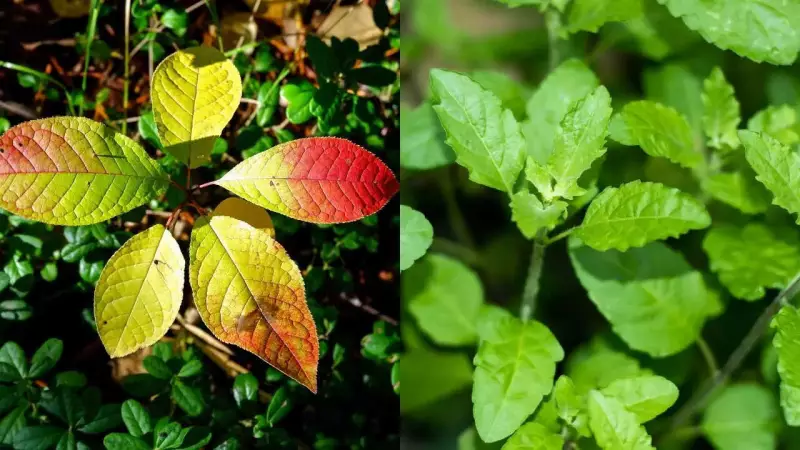
With diabetes rates rising across India, there is a growing search for simple, accessible dietary strategies to maintain stable blood glucose levels. This quest has brought traditional plant-based remedies, long trusted in homes, under the lens of modern scientific scrutiny. Among them, a beverage made from bael leaves or fruit and tulsi (holy basil) leaves is gaining particular attention for its potential metabolic benefits beyond symbolic value.
The Science Behind Bael Leaves for Glucose Control
Scientific interest in bael (Aegle marmelos) leaves is driven by their rich profile of bioactive compounds like flavonoids, coumarins, and tannins. Historically used for digestive ailments, these leaves are now studied for their role in metabolic health. Experimental findings suggest bael leaves can reduce blood sugar levels and offer protection to internal organs from the stress of chronic high blood sugar, or hyperglycemia.
The phytochemicals in bael appear to work through several mechanisms. They may reduce excessive glucose production by the liver during fasting states. Their antioxidant properties help combat oxidative stress, a common issue in diabetes. Some compounds are also linked to protective effects on pancreatic and liver tissues. Furthermore, being low in carbohydrates and calories, bael leaves fit well within a diabetic diet plan.

How Holy Basil (Tulsi) Regulates Blood Sugar
Tulsi, or Ocimum sanctum, is another cornerstone of this traditional drink, revered for more than general wellness. Research indicates its leaves contain potent compounds like eugenol and ursolic acid. Unlike some therapies that target insulin directly, tulsi seems to influence the system that manages sugar entering the bloodstream after meals.
Compounds in tulsi leaves may inhibit enzymes that break down complex carbohydrates into glucose, slowing sugar absorption. They might also help reduce glucose mobilization from the liver. Additionally, tulsi's anti-inflammatory properties could benefit vascular and metabolic tissues affected by insulin resistance. Moderate, regular consumption aligns with established dietary practices for metabolic optimization.
Preparing the Bael-Tulsi Drink at Home
The popularity of this drink endures due to its straightforward preparation. The goal is to extract the water-soluble compounds without using high heat or additives that could damage their structure. Both fresh and dried forms of bael and tulsi can be used.
Here is a simple method: Wash and lightly crush fresh tulsi leaves to release their essential oils. Add bael in the form of dried leaf powder or small pieces of ripe fruit pulp. Simmer the mixture in water for a short time, then allow it to cool. The drink is traditionally consumed without sweeteners, keeping it suitable for blood sugar management.
Synergistic Benefits for Glucose Regulation
Combining bael and tulsi may create a synergistic effect, leveraging different mechanisms to support blood sugar control. Bael's action on liver glycogen and tulsi's impact on carbohydrate digestion and inflammation could work together. This cumulative effect might help stabilize blood glucose levels, particularly in managing the post-meal (postprandial) spike, without causing abrupt changes.
The concoction could support healthier insulin signaling by lowering oxidative stress. By aiding liver function, it may also improve glucose control during fasting periods. As a low-energy, low-glycemic load beverage, it can be easily incorporated into daily routines, offering a practical adjunct to modern diabetes management approaches focused on glycemic control.