In the rich tapestry of Hindu festivals and observances, Mauni Amavasya holds a unique and profound place. This sacred day, falling in the month of Magh according to the traditional lunar calendar, is a time for deep introspection, silence, and spiritual cleansing. For devotees across India, it is a powerful occasion to connect with the divine through the practice of maun vrat, or a vow of silence. The upcoming Mauni Amavasya in 2026 is a significant date marked on the spiritual calendar, offering a potent opportunity for renewal.
Mauni Amavasya 2026: Exact Date and Auspicious Timings
The observance of Mauni Amavasya is determined by the lunar cycle. In the year 2026, this deeply spiritual event will be observed on Tuesday, February 17. The exact timings, or tithi, are crucial for performing rituals. According to Vedic calculations, the Amavasya Tithi begins at 11:45 AM on February 16, 2026. It extends and concludes at 02:03 PM on February 17, 2026. The most auspicious period for bathing, charity, and prayers, known as the Snan Daan Muhurat, will be during the morning hours on the 17th.
This day is especially significant as it coincides with the Magh month, a period considered highly meritorious for holy dips in rivers. When Mauni Amavasya falls on a Monday, it is called Somvati Amavasya, which carries its own added significance. However, in 2026, it falls on a Tuesday, or Mangalwar.

The Profound Significance and Rituals of Mauni Amavasya
The name 'Mauni Amavasya' itself reveals its core essence. 'Mauni' derives from 'maun', meaning silence, and 'Amavasya' is the new moon night. The primary spiritual practice on this day is observing silence. This vow of silence (maun vrat) is believed to help control the senses, calm the mind, and turn one's focus inward, facilitating a deeper connection with the divine self.
The day is marked by several key rituals and beliefs:
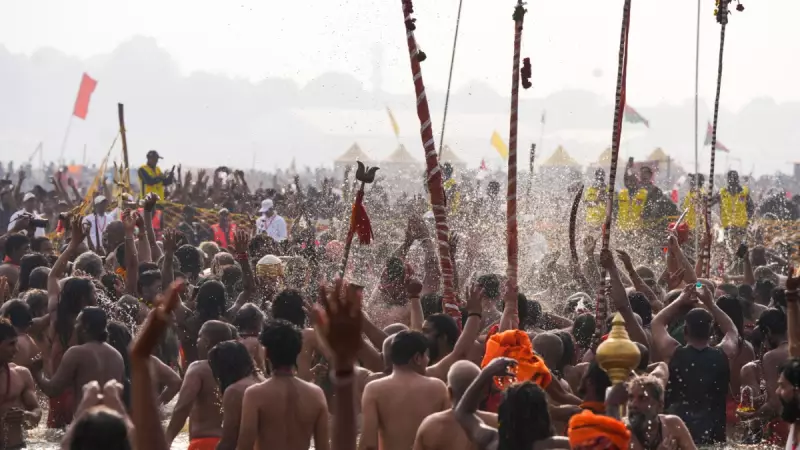
- Holy Dip (Snan): Taking a bath in a sacred river at sunrise is considered extremely purifying. Pilgrims throng to Prayagraj (Allahabad) for the Magh Mela, where a bath at the Sangam (confluence of the Ganga, Yamuna, and mythical Saraswati) on Mauni Amavasya is believed to grant liberation (Moksha).
- Charity and Donation (Daan): Giving to the needy is highly emphasized. Donating food, clothes, sesame seeds (til), and other items is said to please ancestors and bring blessings.
- Pitru Tarpan and Puja: Many perform rituals to honor their ancestors (Pitrus), offering prayers and water (Tarpan) for their peace and salvation.
- Meditation and Japa: The quietude of the day is ideal for meditation, chanting, and reading scriptures, amplifying the spiritual benefits.
Why is Silence So Important on This Day?
The emphasis on silence is rooted in ancient wisdom. It is believed that on this particular Amavasya, the celestial energies are aligned in a way that makes the mind more receptive and the practice of silence more fruitful. By refraining from speech, one conserves vital energy (prana), reduces negative thoughts and speech, and creates inner space for peace and clarity. It is a form of tapasya (austerity) that cleanses the soul and helps in overcoming the impurities of the mind.
Avoiding certain activities is also advised to maintain the sanctity of the day. These include cutting hair or nails, consuming non-vegetarian food or alcohol, and engaging in arguments or harsh speech.
The Lasting Impact and Spiritual Benefits
Observing Mauni Amavasya with sincerity is said to yield immense spiritual rewards. Devotees believe it helps in washing away sins, fulfilling desires, and bringing peace and prosperity. The practice of silence, even for a day, can have a lasting psychological impact, teaching discipline and mindfulness that extends beyond the festival. It is a powerful reminder of the strength found in stillness and the importance of periodic detoxification, not just for the body but for the mind and soul.

For the spiritually inclined, marking the date of February 17, 2026, for Mauni Amavasya is an invitation to step back from the noise of daily life and embark on a journey of inner silence and purification. Whether through a holy dip, charitable acts, or simple quiet reflection, this day offers a universal path to spiritual elevation and inner peace.