The Sindoor Plant: A Natural Wonder with Cultural and Practical Significance
In today's global landscape, there is a pronounced shift toward embracing nature and sustainable practices. This movement has led to the rediscovery of numerous native plant species, with the sindoor plant emerging as a particularly noteworthy example. Known scientifically as Bixa orellana, this tropical shrub is celebrated for its vibrant red seeds, which hold deep cultural importance and offer versatile practical applications. Historically utilized by humans for centuries as a dyeing agent, the sindoor plant has recently seen a surge in popularity among gardeners and eco-conscious individuals due to its multifaceted uses, ranging from medicinal properties to natural dye production.
What Is the Sindoor Plant and How Did It Get Its Name?
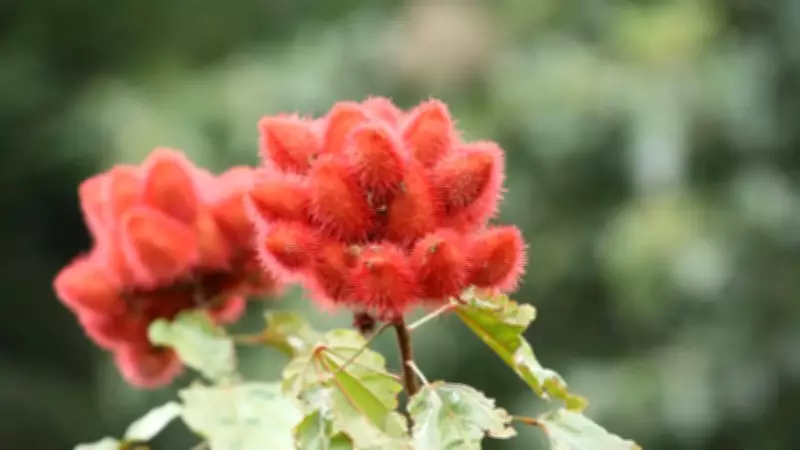
The sindoor plant, Bixa orellana, is a tropical shrub native to South American countries but now cultivated across tropical regions, including India. It is distinguished by its bright red seeds, which are encased in spiky fruits. The plant derives its name from the deep red-orange pigment extracted from these seeds, which is traditionally used to prepare sindoor—a culturally significant vermilion powder applied in Hindu rituals and by married women in India. This natural pigment has been valued for generations, offering a sustainable alternative to synthetic colorants and reinforcing the plant's enduring relevance in both cultural and environmental contexts.
Benefits of the Sindoor Plant
Beyond its aesthetic appeal, the sindoor plant boasts numerous advantages that contribute to its growing popularity. The seeds serve as a safe, natural dye for food, fabrics, and cosmetics, providing an eco-friendly substitute for artificial coloring agents. In traditional medicine, the plant has been used to treat minor skin conditions and exhibits anti-inflammatory properties, highlighting its health benefits. Additionally, its cultivation supports sustainable living practices, as it reduces reliance on chemical-based products and promotes biodiversity. This combination of practical utility and environmental friendliness makes the sindoor plant an attractive option for those seeking to integrate nature-based solutions into their daily lives.

Can You Grow the Sindoor Plant at Home?
Yes, the sindoor plant can be successfully cultivated at home, particularly in outdoor spaces with sufficient room for growth. It thrives in warm climates and requires ample sunlight to develop properly. Due to its tendency to spread as it matures, it is not well-suited for indoor cultivation in small containers. With proper care, it can transform into a beautiful bush adorned with colorful seed pods, adding both visual interest and functional value to your garden.
Grow Sindoor Plant at Home: A Step-by-Step Process
- Select Healthy Seeds or Young Plants: Begin by choosing viable seeds or robust young plants from a reputable source.
- Prepare the Seeds: Soak the seeds in water before planting to enhance germination rates.
- Plant in Soil: Directly sow the seeds in well-draining soil, ensuring they receive adequate light exposure.
- Maintain Moisture: Water the soil regularly to keep it moist but avoid overwatering, which can lead to root issues.
- Exercise Patience: Allow time for growth, eventually resulting in a small plant with distinctive red pods.
Growing Conditions and Care for the Sindoor Plant
The sindoor plant flourishes in warm, humid environments and is intolerant to frost. It adapts to various soil types but prefers those with good drainage to prevent waterlogging. For optimal development of leaves and seed pods, position the plant in a location that receives plenty of sunlight. Moderate watering is essential; excessive moisture can damage the roots, while consistent, balanced hydration promotes overall health and vitality.

Why the Sindoor Plant Is Gaining Popularity
As society increasingly prioritizes eco-friendly solutions, plants like the sindoor plant have gained significant relevance. They offer a natural means of coloring that minimizes dependence on synthetic products, aligning with sustainable living trends. Coupled with its cultural heritage and multiple benefits—from medicinal uses to decorative appeal—the sindoor plant has become a favored choice among households today. Its ability to bridge tradition with modern environmental consciousness underscores its growing appeal in gardens and communities worldwide.