

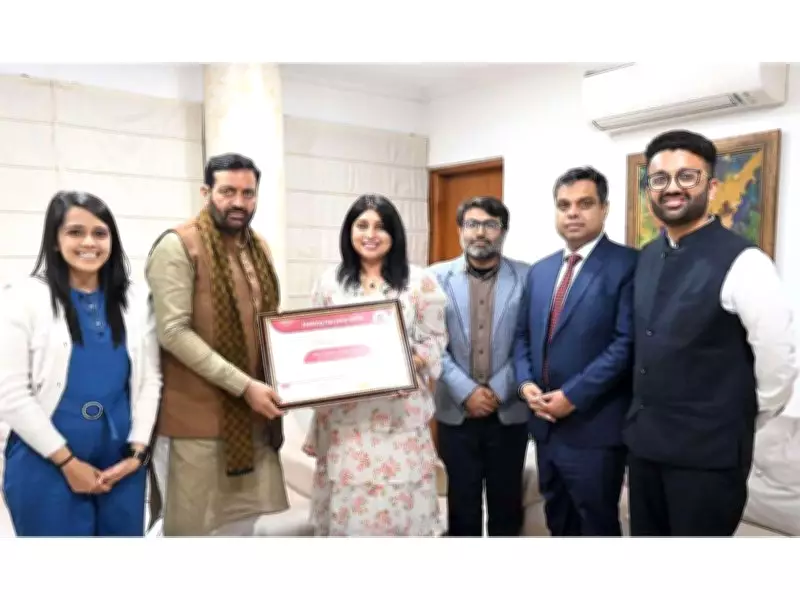
Tarq Foundation, Colgate, and Haryana Government Unite for Oral Health Education Drive
In a significant public-private partnership aimed at enhancing dental hygiene among young students, the Tarq Foundation has joined forces with Colgate and the Government of Haryana. This collaborative initiative is set to deliver comprehensive oral health education to an estimated 5.7 lakh school children throughout the state of Haryana. The program underscores a shared commitment to fostering better health outcomes by addressing critical gaps in dental care awareness from an early age.
Expanding Reach and Impact Across Haryana
The partnership leverages the extensive networks and expertise of all three entities to ensure widespread coverage. The Tarq Foundation, known for its focus on community health projects, will coordinate the educational efforts, while Colgate, a global leader in oral care, will provide resources, materials, and technical support. The Haryana government will facilitate access to schools and integrate the program into existing educational frameworks, enabling a seamless rollout across urban and rural areas.
This initiative is designed to reach children in both government and private schools, emphasizing preventive measures such as proper brushing techniques, regular dental check-ups, and the importance of a balanced diet for maintaining healthy teeth and gums. By targeting school-aged children, the program aims to instill lifelong habits that can reduce the prevalence of dental issues like cavities and gum disease, which are common concerns in India.

Key Components of the Oral Health Program
The educational drive will include a variety of interactive and engaging activities to maximize student participation and retention. Key components of the program are outlined below:
- Workshops and Demonstrations: Hands-on sessions where children learn correct brushing and flossing methods under the guidance of trained professionals.
- Distribution of Oral Care Kits: Provision of free toothbrushes, toothpaste, and informational pamphlets to encourage daily hygiene practices at home.
- Teacher Training Modules: Equipping educators with the knowledge and tools to reinforce oral health lessons in the classroom, ensuring sustainability beyond the initial campaign.
- Awareness Campaigns: School-wide events, posters, and digital content to raise awareness about the importance of dental health and its link to overall well-being.
By combining these elements, the partnership seeks to create a holistic approach that not only educates but also empowers children to take charge of their oral health. The involvement of the Haryana government ensures that the program aligns with state health policies and can be scaled up in the future if successful.
Addressing a Critical Public Health Need
Oral health remains a neglected aspect of public health in many parts of India, with limited access to dental care and low awareness contributing to high rates of dental problems. This initiative directly addresses this gap by focusing on preventive education, which is often more cost-effective and impactful than treatment alone. The collaboration between a non-profit organization, a corporate entity, and a state government highlights the potential of multi-stakeholder efforts to drive meaningful change in community health outcomes.
Experts believe that early intervention in schools can lead to significant long-term benefits, including reduced healthcare costs, improved school attendance due to fewer dental-related absences, and enhanced overall quality of life for children. The program's focus on 5.7 lakh students represents a substantial step toward building a healthier generation in Haryana, with potential lessons for other states to replicate similar models.
As the initiative rolls out, monitoring and evaluation mechanisms will be put in place to assess its effectiveness and make necessary adjustments. The partners have expressed optimism that this joint effort will not only improve oral hygiene practices but also inspire broader collaborations in the health and education sectors, paving the way for more integrated approaches to child welfare in India.






