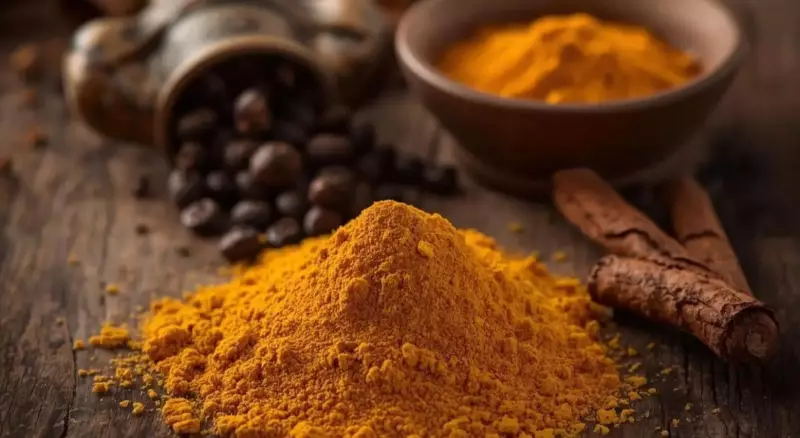
As the winter chill sets in across India, a silent transformation occurs in kitchens nationwide. Without any formal announcement, our plates become heavier, our beverages turn warmer, and our bodies instinctively crave ingredients that are grounding and steady rather than light and cool.
The Winter Kitchen Trinity
In countless homes, especially where mornings dawdle and evenings seem to last forever, three familiar staples take centre stage. Turmeric sits prominently on the counter, uneven chunks of jaggery wait patiently, and black pepper finds its way into dishes far more frequently. While none of these ingredients is novel, their combined presence subtly defines the flavour of winter meals and the body's response to the season's demands.
Science Meets Tradition
This household wisdom is now finding resonance in scientific research. A peer-reviewed study published by PMC observed that the combination of turmeric and black pepper can influence feelings of hunger and post-meal blood sugar levels in healthy adults. This aligns perfectly with what generations of Indian families have intuitively practised. Jaggery completes the picture by melting into warmth, offering essential minerals that take the harsh edge off winter foods and drinks.

How This Trio Supports Winter Wellness
People don't reach for these ingredients solely because of clinical studies. The habit persists because this trio effortlessly meets winter's specific needs.
Natural Warmth and Digestive Aid
Turmeric imparts a slow, lingering warmth that settles comfortably after a meal. It also helps ease the heaviness of richer winter fare. Black pepper delivers an immediate, sharp heat that acts as a wake-up call for the body slowed by cold air. Jaggery balances both with a deep, mineral-rich sweetness that feels comforting rather than overly sugary.
Winter meals tend to be dense and filling, requiring extra digestive support. Turmeric's antioxidant properties help mitigate the feeling of heaviness. Black pepper stimulates digestion, encouraging the stomach to process food efficiently. A small piece of jaggery consumed after a meal is a traditional practice to help everything settle smoothly.
Immunity and Craving Management
The cold season often brings sniffles and sore throats. Turmeric plays a consistent role in supporting immune function when used regularly in daily cooking. Black pepper not only enhances turmeric's bioavailability but also contributes its own protective qualities. Jaggery provides trace minerals that help combat the fatigue that can accompany shorter, darker days.
Colder weather can also trigger more frequent cravings and random snacking. Warm drinks made with this trio can help moderate these urges. The combination of turmeric and pepper influences satiety, while a touch of jaggery adds comforting sweetness without relying on refined sugar, making hot beverages more satisfying between meals.
A Simple Winter Nightcap Recipe
This easy drink is perfect for a cold evening:
- Gently warm one cup of milk or water on low heat.
- Stir in half a teaspoon of turmeric powder.
- Add a small pinch of freshly crushed black pepper and let it simmer briefly.
- Turn off the heat and stir in a piece of jaggery until melted.
- Drink slowly while warm, ideally after dinner when the cold deepens and digestion welcomes a gentle nudge.
This trio returns to our kitchens each winter because it fits the season seamlessly. Turmeric provides warmth and balance, black pepper sharpens and stimulates, and jaggery ties it all together with minerals and gentle sweetness. They require no elaborate recipes or precise measurements—just warmth and a little mindful attention.
When winter feels long and energy levels waver, this traditional mixture works quietly in the background, making hearty meals feel lighter and long, cold nights feel a little more manageable.
Disclaimer: This information is for educational purposes only and is not a substitute for professional medical advice, diagnosis, or treatment. Always consult a qualified healthcare provider for personalised recommendations.