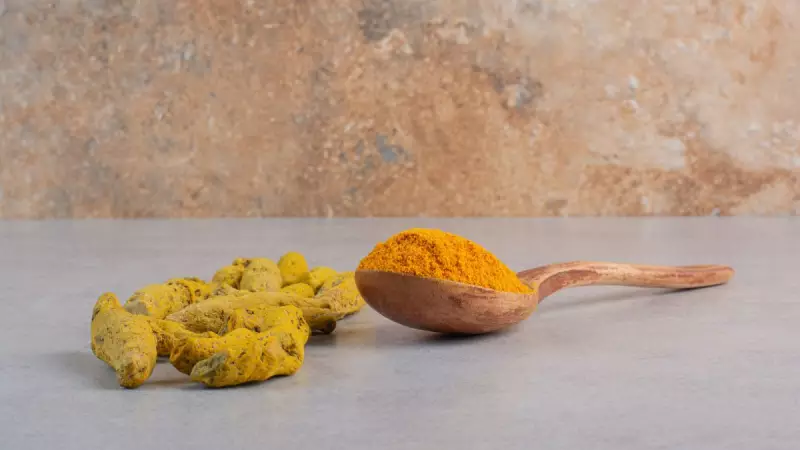
A recent scientific investigation has cast a promising light on a familiar golden-hued spice, suggesting its key component could offer significant protective benefits for the cardiovascular system of individuals managing type 2 diabetes. The study, published in the journal Nutrition Research, focuses on curcumin, the bioactive compound that gives turmeric its vibrant colour and much of its medicinal reputation.
The Science Behind the Spice: How Curcumin Intervenes
Researchers conducted a meticulous review and meta-analysis of existing randomized controlled trials to understand curcumin's impact. Their findings point to a tangible physiological improvement. The analysis indicates that curcumin supplementation significantly enhances flow-mediated dilation (FMD). FMD is a crucial, non-invasive measure of how well a person's blood vessels relax and expand, which is a direct indicator of endothelial function. The endothelium is the thin lining inside blood vessels, and its health is paramount for regulating blood pressure and preventing atherosclerosis.
In individuals with type 2 diabetes, this endothelial function is often impaired due to chronic high blood sugar levels and associated inflammation, substantially elevating their risk for heart disease and stroke. The study's conclusion is that curcumin appears to directly counter this impairment, offering a potential dietary strategy to bolster vascular health.

Beyond Flavour: A Multi-Targeted Therapeutic Potential
The potential benefits of curcumin for diabetic heart health are believed to stem from its well-documented multi-faceted properties. Scientists attribute the positive effects to several key mechanisms of action:
- Powerful Anti-inflammatory Action: Chronic inflammation is a core driver of vascular damage in diabetes. Curcumin is known to suppress multiple inflammatory molecules at the cellular level.
- Potent Antioxidant Activity: Oxidative stress damages blood vessel walls. Curcumin neutralizes free radicals and boosts the body's own antioxidant enzymes.
- Improved Metabolic Parameters: Some studies suggest curcumin may positively influence blood sugar control, insulin sensitivity, and lipid profiles, all of which contribute to better cardiovascular outcomes.
This research adds a robust layer of scientific validation to traditional Ayurvedic practices that have long utilized turmeric (Haridra) for its healing properties. It shifts the perspective of curcumin from a simple dietary anti-inflammatory agent to a potential adjunct therapy for mitigating cardiovascular risk in a high-risk population.
Implications and Considerations for Daily Life
For the millions of Indians and people worldwide living with type 2 diabetes, these findings are particularly relevant. Incorporating turmeric into the daily diet, a common practice in Indian cuisine, may provide subtle, ongoing benefits. However, the study primarily focused on supplemental curcumin, which delivers a more concentrated and bioavailable dose than culinary turmeric powder alone.
Experts caution that while the results are encouraging, turmeric or curcumin supplements should not replace standard diabetes and heart disease medications. They should be viewed as a complementary approach. It is crucial for patients to consult with their healthcare provider before starting any new supplement regimen, as curcumin can interact with certain medications, including blood thinners.
The publication of this meta-analysis in December 2025 marks a significant step in understanding how natural compounds can address complex modern diseases. It underscores the importance of investigating traditional remedies with rigorous scientific methodology, opening doors for more targeted research and potentially integrative treatment protocols for diabetes management and heart health preservation.