Tamil Nadu Health Department on High Alert Amid Chickenpox Outbreak
Chennai: The Directorate of Public Health in Tamil Nadu has escalated its monitoring and response efforts following the confirmation of more than 800 chickenpox cases across the state over the past two months. The viral outbreak has predominantly affected children in urban centers, including Chennai, prompting health authorities to implement rigorous surveillance protocols.
Enhanced Surveillance and Reporting Measures
Health officials have been directed to ensure prompt and accurate reporting of all suspected and confirmed cases from healthcare facilities, educational institutions, and residential hostels. The department has mandated thorough outbreak investigations and the submission of comprehensive reports to track the spread and impact of the infection.
Additionally, community awareness campaigns are being reinforced to educate the public on preventive strategies and the importance of early medical intervention. These initiatives aim to curb transmission and manage symptoms effectively.

Understanding Chickenpox: Symptoms and Transmission
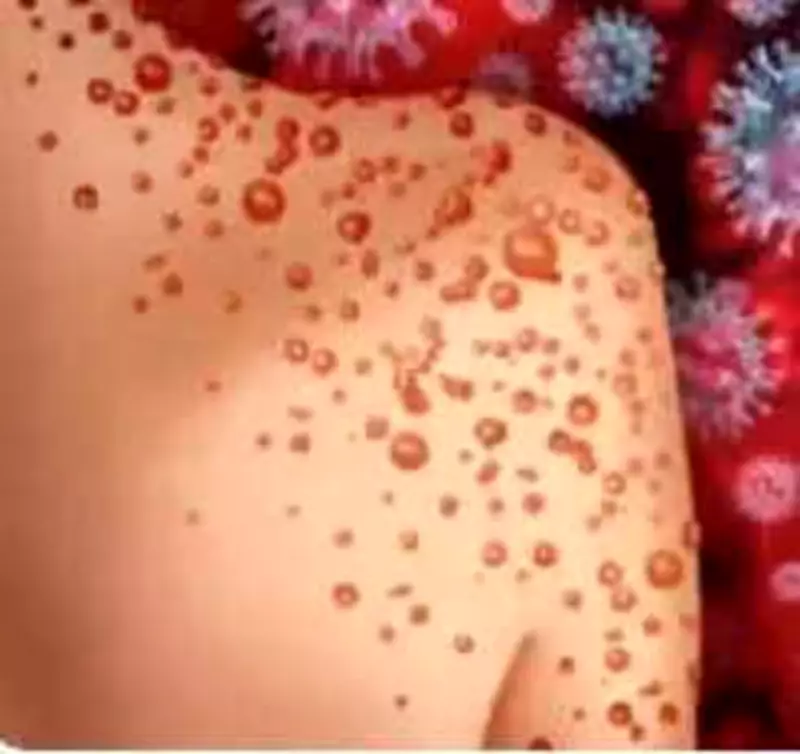
Chickenpox is a highly contagious disease caused by the varicella-zoster virus. It typically presents with fever, headaches, fatigue, and a distinctive itchy rash characterized by fluid-filled blisters. Initial symptoms may emerge within 10 to 21 days after exposure and can include loss of appetite.
The rash often begins on the chest, back, face, or scalp, evolving from red bumps to blisters that appear in successive crops. While children are the primary demographic affected, individuals of any age who are unvaccinated or have not previously contracted the virus remain susceptible.
Vaccination Status and Public Health Recommendations
In Tamil Nadu, most children are not vaccinated against chickenpox, as the vaccine is not included in India's Universal Immunisation Programme (UIP). The UIP provides free vaccines for high-burden diseases such as polio, measles, and tetanus.
Dr. A. Somasundaram, Director of Public Health, noted that while pediatric organizations like the Indian Academy of Paediatrics recommend the chickenpox vaccine as optional, it is rarely administered in government hospitals. He explained, "Chickenpox is generally mild and confers lifelong immunity after infection, with mortality being extremely rare." However, a post-exposure vaccine is advised within three to five days of contact with an infected person.
Medical professionals strongly advocate for vaccination in adults over 50 years old, as the virus can remain dormant in the body after recovery and potentially reactivate later in life as shingles, a painful condition.
Treatment Protocols and Isolation Guidelines
Upon laboratory confirmation of chickenpox, doctors may prescribe the antiviral medication acyclovir, along with other treatments to alleviate fever and skin irritation, according to Dr. M. Senthil Kumar, Joint Director of Public Health and Preventive Medicine (Communicable Diseases).
Dr. Kumar emphasized, "There is no immediate cause for alarm, but we observed a seasonal increase in cases during the summer months. This alert is intended to encourage vigilance and proactive health measures."
Infected individuals are required to isolate for at least one week or until the rash reaches the crusting stage, where blisters dry out and form protective scabs. Caregivers and close contacts should minimize exposure to those infected, and strict hand hygiene practices are crucial in both school and home environments to prevent further spread.
The health department's proactive stance underscores the importance of community cooperation and adherence to medical guidelines to manage the outbreak effectively and safeguard public health.