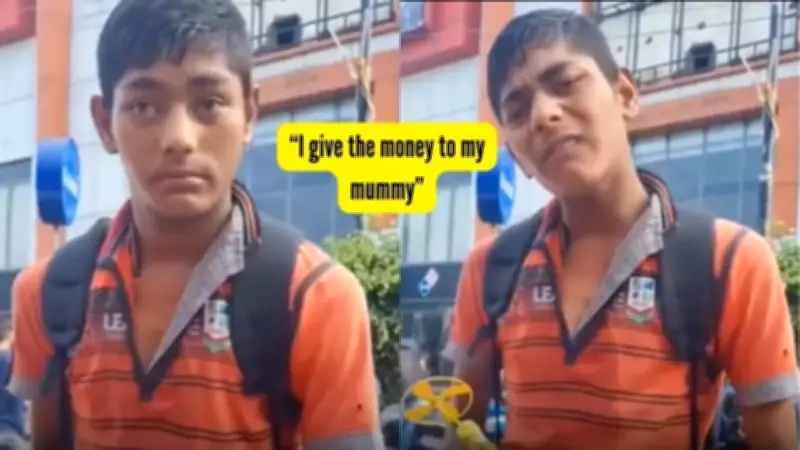
16-Year-Old Autistic Boy Sells Toys in Dehradun, Earning ₹500 Daily to Support Family
While many people flock to malls to purchase expensive items, a 16-year-old boy in Dehradun is selling bubble-toys to sustain his family. This might sound like a typical tale of hardship, but it is far more profound. Pratap Joshi, reportedly an autistic teenager, faces the dual challenges of poverty and neurodevelopmental condition, making his story a poignant reflection of systemic failures.
Pratap's Daily Struggle and Pride
According to a viral video circulating online, Pratap operates his toy stall outside Vikas Mall in Dehradun. When inquired about his daily earnings, he proudly states, "₹500 a day". His age is not the primary focus; rather, it is the revelation of his autism that captures attention. Autism is a neurodevelopmental condition affecting communication and sensory processing, often requiring structured support and understanding environments.
The sight of a minor navigating survival on the streets evokes concern rather than curiosity. It underscores a harsh reality: the intersection of disability, childhood, and financial crisis, which can lead to immense hardship for families already under strain.

Understanding Autism and Systemic Gaps
Autism spectrum condition is not an illness but a developmental state that typically necessitates caregiver support, therapy, and medical assistance. For families grappling with poverty, accessing these resources becomes exceedingly difficult, exposing systemic gaps in social support systems. Pratap's situation highlights how children with autism must cope with public spaces, noise, and uncertainty, compounded by the pressure to contribute financially.
When asked where his earnings go, Pratap smiles and says, "mummy ko" (to mother). This moment emphasizes that autism does not define one's capabilities; many autistic individuals lead independent and fulfilling lives. The concern here lies not in Pratap's ability but in the circumstances forcing him into such roles at a young age.
Public Reaction and Calls for Support
The video has deeply moved viewers, eliciting emotional responses ranging from prayers like "Waheguru Satnam Ji, mehar karo" to practical suggestions for assistance. Comments have included proposals for crowdfunding initiatives and appeals to organizations to intervene responsibly. These reactions acknowledge the broader reality faced by families raising children on the autism spectrum, urging action rather than mere sympathy.
Pratap's story has sparked widespread concern, with calls for immediate help highlighting how easily families can slip into survival mode. If verified, his presence outside the mall serves as a stark reminder of unmet needs and the importance of ensuring childhood does not demand endurance.
Handling Sensitive Stories with Care
It is crucial to approach narratives involving children and disabilities with restraint, accuracy, and respect. While well-intentioned attention can mobilize support, it must be handled sensitively to avoid exploitation. Pratap's tale is a call to action, urging society to address the gaps in support for vulnerable populations.
As this story continues to circulate, it fosters a dialogue on disability rights, poverty alleviation, and community responsibility, reminding us of the collective effort needed to create a more inclusive world.