

Bhopal Hospitals Report Surge in Post-Viral Bronchitis Among Students During Exams
With board exams and college entrance tests in full swing across Bhopal, city hospitals are witnessing a concerning rise in outpatient department admissions among teenagers and young adults. Medical professionals are now warning of a significant surge in cases of post-viral bronchitis, transforming intensive study sessions into unexpected health challenges for students.
Alarming Increase in Teen OPD Admissions
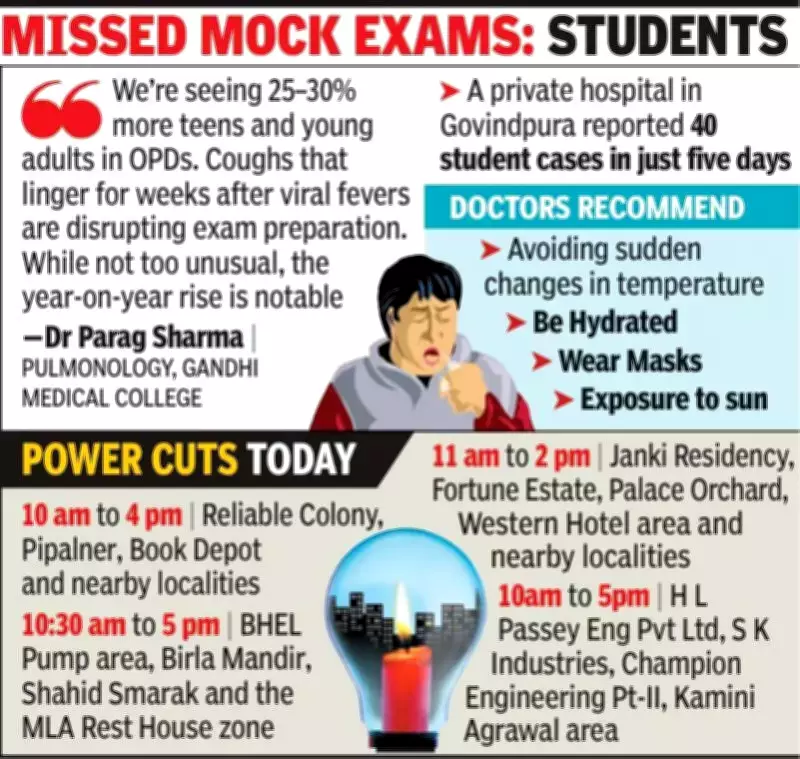
Doctors report that outpatient departments are seeing approximately 25–30% more adolescents and young adults compared to previous periods. The primary complaint involves persistent coughing that lingers for weeks following viral fevers, severely disrupting crucial exam preparation schedules.
"While post-viral respiratory issues aren't entirely unusual, the year-on-year increase we're observing is particularly notable," explained Dr. Parag Sharma from the pulmonology department at Gandhi Medical College. "Coughs that persist for extended periods after viral infections are becoming increasingly common among our student population."

Symptoms Colliding with Exam Pressure
The condition typically manifests with persistent wheezing, debilitating fatigue, and uncomfortable chest tightness that often follows seasonal influenza. These symptoms are colliding directly with the high-pressure examination season, creating additional anxiety for both students and their parents.
Environmental factors are exacerbating the situation. Winter's cold nights, dry daytime conditions, and periodic pollution spikes are further weakening immune systems, making students more susceptible to respiratory complications.
Recent Hospital Observations and Patient Experiences
Over the past two weeks, medical professionals have documented airway inflammation in patients aged 12–25 years. While most cases resolve with adequate rest and inhaler treatments, some require more intensive nebulization therapy to manage both physical symptoms and examination-related stress.
A private hospital in Govindpura reported treating 40 student cases within just five days, highlighting the rapid spread of the condition. One 17-year-old board examination aspirant shared their experience: "The initial fever has subsided, but this persistent cough completely destroys my concentration. I've already missed two important mock tests due to this condition."
Medical Warnings and Treatment Approaches
"Academic stress significantly weakens immune responses. Ignoring early cough symptoms can potentially lead to pneumonia, especially in individuals with preexisting health conditions," cautioned Dr. Rajiv Singh, another medical specialist monitoring the situation.
Standard treatment protocols involve inhalers, nebulizers, and mandatory rest periods. Antibiotics are generally avoided since the root cause remains viral rather than bacterial. Medical experts note that low flu vaccination rates among younger populations are contributing to the wider spread of these respiratory viruses.
Root Causes and Vulnerable Groups
Health experts trace the current surge to viral waves that swept through Bhopal earlier, with these infections now evolving into bronchitis through mucus accumulation and airway spasms. The most vulnerable populations include:
- Smokers and tobacco users
- Individuals with preexisting asthma conditions
- Hostel residents living in dusty environments
For these groups, risks are further heightened by frequent dining out, which increases exposure to potential infection sources.
Preventive Recommendations for Parents
Health authorities suggest several preventive measures for concerned parents:

- Ensure vulnerable students wear protective masks in crowded or polluted environments
- Maintain proper hydration throughout study sessions
- Incorporate steam inhalation routines to soothe respiratory passages
- Monitor early symptoms and seek medical attention promptly
- Consider flu vaccination where appropriate
As examination season continues, medical professionals emphasize the importance of balancing academic preparation with health maintenance, particularly during periods of increased viral activity and environmental challenges.





