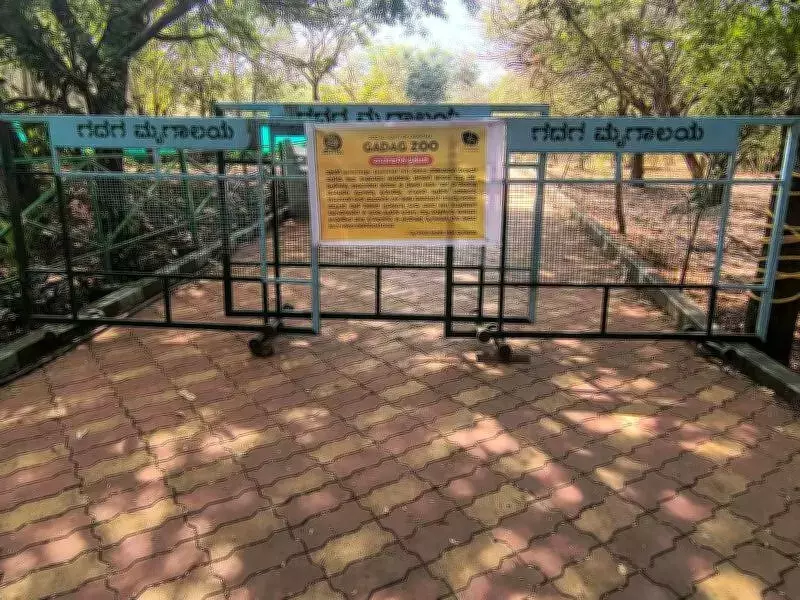
Binkadakatti Zoo's Proactive Measures Contain Deadly Bacterial Disease Outbreak
The swift and decisive action by staff at Binkadakatti zoo in Gadag has proven crucial in protecting its animal population from a potentially devastating outbreak of Hemorrhagic Septicaemia (HS), a fatal bacterial disease. This proactive response was triggered by the unfortunate death of a 4-year-old nilgai on the evening of February 3, which veterinarians initially suspected might be linked to HS.
Immediate Action Without Waiting for Confirmation
Rather than waiting for the final autopsy report, zoo authorities immediately implemented comprehensive quarantine protocols and disinfection procedures across the facility. This included shutting the zoo to the public and initiating thorough cleaning of animal enclosures to prevent any possible spread of infection to other residents.
Their precautionary approach was validated when the autopsy report confirmed the nilgai had indeed succumbed to Hemorrhagic Septicaemia. The disease had already claimed several spotted deer and blackbuck in zoos at Belagavi and Davanagere just days earlier, making the threat particularly urgent.

Extended Quarantine and Specialized Protection Measures
Sneha Koppal, Range Forest Officer and in-charge of Binkadakatti zoo, explained that while initially planning a 7-day quarantine period, authorities have now extended this to 21 days. "The zoo will remain closed until at least February 26," she stated. "We will review the situation thoroughly before making any decision about reopening to visitors."
Given that HS primarily affects herbivore species, special attention has been focused on protecting vulnerable animals including:
- More than 90 blackbucks
- 7 sambar deer
- 43 nilgai
- Over 60 spotted deer
Koppal emphasized that all quarantine measures have been implemented according to guidelines established by an emergency health advisory committee comprising senior forest officials, veterinary doctors, and other experts.
Comprehensive Monitoring and Containment Strategy
The zoo has implemented a multi-layered approach to disease containment:
- Quarantining herbivore enclosures using green shade nets
- Disinfecting the entire 40-acre zoo area
- Continuous monitoring of animal behavior and body temperatures
- Isolating animals showing any signs of illness for immediate examination
Staff are conducting random check-ups on animals exhibiting symptoms like lethargy or other indicators of potential infection. This vigilant monitoring system has been crucial in early detection and prevention of disease spread.
Impact on Visitors and Future Considerations
The closure comes during what would typically be a peak visitation period. "We normally see 300-350 daily visitors, with numbers increasing significantly during holidays and weekends," Koppal noted. "As summer approaches, visitor numbers typically rise even further."
The 40-acre facility houses a diverse collection of wildlife beyond the vulnerable herbivores, including 5 leopards, 4 lions, 2 tigers, grey wolves, sloth bears, and Bengal foxes. All these animals benefit indirectly from the enhanced biosecurity measures now in place.
Authorities remain cautiously optimistic about containing the outbreak completely, crediting their immediate response with preventing what could have been a much more serious situation. A final decision about reopening will be made after February 27, depending on whether the disease has been fully contained and all safety protocols have been satisfactorily completed.