

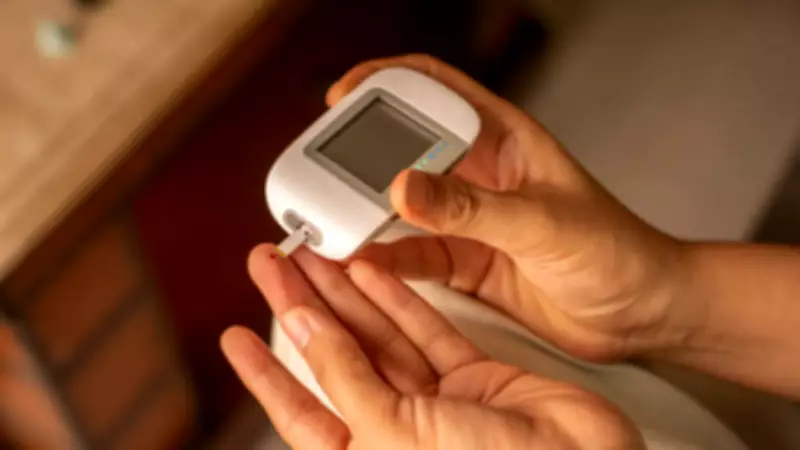
Borderline Blood Sugar: The Sneaky Trap You Must Not Ignore
Most people assume they are in the clear if their fasting sugar is "almost normal" or their HbA1c hovers just below the diabetic threshold. However, this is a dangerous misconception. Borderline numbers are not an indicator of safety; they are a glaring red flag that your body is quietly struggling with metabolic imbalances.
The Creeping Danger of Silent Damage
Blood sugar does not spike overnight. It increases gradually over years, silently wreaking havoc on blood vessels, nerves, and vital organs long before any symptoms manifest. Because this process is slow and often symptomless, many individuals dismiss it, believing they feel fine and have ample energy for daily activities.
Yet, underlying issues like creeping insulin resistance, subtle post-meal glucose spikes, and minor dips that cause fatigue are all signals that something is amiss. The borderline zone represents a crucial window of opportunity—acting early can prevent the slide into full-blown diabetes.

Alarming Statistics from India
According to a comprehensive pan-India study by the ICMR, the prevalence of pre-diabetes in India exceeds that of diabetes itself. Diabetes affects approximately 11.4% of the population, while pre-diabetes impacts around 15.3%. Dr. Swati Pandit, Senior Consultant in Endocrinology & Diabetes at Max Smart Super Speciality Hospital, Saket, clarifies the criteria: "Borderline blood sugars mean fasting glucose levels above 110 mg/dL and post-prandial levels above 160 mg/dL. An HbA1c between 5.6% and 6.4% is considered raised and indicative of pre-diabetes."
Why Ignoring Borderline Levels Is Risky
Dr. Pandit emphasizes that an HbA1c in the 5.7% to 6.4% range is borderline and suggestive of pre-diabetes. "Given the Indian prevalence of pre-diabetes, which is much higher than diabetes, we must be extremely vigilant even at these levels. It is not safe to ignore them because pre-diabetes is rising and, if neglected, will eventually progress to diabetes," she warns.
Lifestyle Factors That Escalate Risk
The primary factors pushing borderline sugars into the diabetic range include ignoring elevated blood sugar levels, which serve as early alarms. Key lifestyle contributors are:
- Sedentary habits: Prolonged sitting and lack of physical activity.
- Irregular eating patterns: Skipping meals, delayed breakfast, lunch, and dinner, which is common in modern Indian life.
- Disrupted sleep cycles: Being awake most of the night and sleeping during the day.
- Harmful behaviors: Excessive alcohol consumption and smoking.
- Genetic predisposition: Family history of diabetes, especially if blood tests are neglected.
- Weight gain: Progressive increase in weight due to various reasons.
Reversing Pre-Diabetes: A Realistic Hope
Yes, pre-diabetes can be reversed in many cases through dietary adjustments, lifestyle modifications, and regular physical activity aimed at weight loss. Consistent monitoring and adherence to healthy routines are crucial for success.
Dispelling Common Myths
Dr. Pandit addresses misconceptions: "Safe sugar levels are fasting below 110 mg/dL, post-prandial below 160 mg/dL, and HbA1c under 5.6%. However, if you have metabolic risk factors like family history, obesity, or a poor lifestyle, you are at increased risk and must monitor these levels closely."
Diabetes: A Breeding Ground for Serious Diseases
The doctor issues a stern warning: "Diabetes is a common soil for many metabolic diseases and is a significant risk factor for heart disease, hypertension, liver disease, kidney disease, stroke, and even cancer."
Her urgent advice for young adults with borderline glucose levels: "Take care of yourself by managing your diet—focus on quantity, quality, and timing. Incorporate lifestyle changes such as adequate sleep, regular physical activity, stress reduction, and vigilant monitoring of sugar levels."
Expert inputs were provided by Dr. Swati Pandit, Senior Consultant, Endocrinology & Diabetes, Max Smart Super Speciality Hospital, Saket, to explain the dangers of ignoring borderline blood sugar results.






