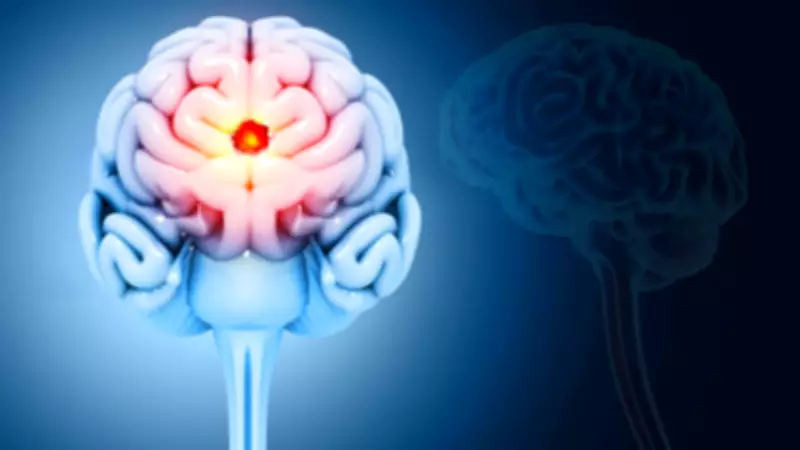
According to GLOBOCAN data, there were over 321,000 new cases of brain and central nervous system cancers recorded globally in a single year, with nearly 248,000 deaths attributed to the disease. While brain tumours account for less than 2% of all newly diagnosed cancers worldwide, their impact on disability-adjusted life years is disproportionately high due to the severity of the disease and the critical functions of the brain.
Brain Tumour Statistics in India
In India, the picture is equally pressing. Approximately 28,000 new brain tumour cases are diagnosed in the country annually, and the incidence of central nervous system tumours in India ranges from around 5 to 10 cases per 1 lakh population. The Indian Council of Medical Research's National Cancer Registry Programme has consistently flagged rising CNS tumour trends across major urban registries, including Mumbai, Delhi, Bengaluru, and Chennai. Brain tumours in children are a particular concern: globally, pediatric brain and CNS tumours rank as the leading cause of cancer-related death in children under 14 and the second-leading cause in young adults between 15 and 39.
Why Brain Tumour Symptoms Get Mistaken for Something Else
The reason brain tumours are so frequently missed early is frustratingly simple: their initial symptoms are almost indistinguishable from the health complaints that define modern life. These are things millions of people manage every day without it meaning anything sinister. There is also a tendency, particularly among working-age adults, to rationalise symptoms away. Add to this the fact that many people delay seeking medical advice unless symptoms become debilitating, and the window for early diagnosis quietly closes.

The Symptoms and What They Are Doing to Daily Life
Dr Aditya Gupta, Director of Neurosurgery and Cyberknife at Artemis Hospital, Gurugram, is direct about where the confusion begins. "Brain tumours can produce early symptoms which may be subtle and confused with stress, migraines, sleep deprivation or burnout," he says. "Many people will initially attribute these symptoms to common activities or things to do — and thus will ignore these signs until they get more serious."
The most frequently overlooked symptom, he notes, is the headache. "Persistent headaches, particularly more severe in the morning or steadily worsening, are among the most frequently overlooked signs of a brain tumour. In contrast to typical migraine headaches, these headaches may not respond to standard medication."
Beyond pain, the neurological and cognitive effects can quietly reshape a person's entire functioning. "Brain tumours can also affect a person's emotional state, memory and behaviour," says Dr Gupta. "You may have symptoms such as irritability, anxiety, confusion, difficulty concentrating or personality changes that are commonly associated with an overwhelming work environment or emotional stress."
The physical symptoms carry their own disruption. "Other signs may include unexplained nausea and vomiting, changes to vision such as blurred or double vision, problems keeping your balance, dizziness, weakness of either arm or leg, and seizures if you have never had any before," Dr Gupta explains. "Others, depending upon where the brain tumour is located, may have hearing issues, speech impediments and changes in their ability to feel sensation."
The cumulative effect on daily life is significant. People struggling with balance and coordination withdraw from physical activity. Those experiencing word-finding difficulties or memory lapses pull back from professional responsibilities. Visual changes make driving unsafe and reading difficult. Fatigue becomes total. What begins as a cluster of vague symptoms can, over weeks and months, strip away a person's independence, confidence, and capacity to function in the life they have built.
What You Can Do and Why Early Evaluation Matters
Dr Gupta is careful to frame this without alarm, while being firm about the importance of action. "Most times, these symptoms do not necessarily mean you have a brain tumour," he acknowledges. "But if any of these symptoms persist, become increasingly worse, or occur together, you should see a doctor to have them evaluated."

"An early evaluation of your symptoms along with proper imaging studies of your brain will identify the underlying cause of your symptoms," says Dr Gupta. "A timely diagnosis is very important, as most times an early diagnosis leads to successful treatment, which leads to improved outcomes and a significantly improved quality of life."
But the single most important thing anyone can do is resist the urge to normalise symptoms that do not resolve. These are not things to wait out. They are things to investigate promptly, without embarrassment, and with the understanding that the earlier the conversation happens with a doctor, the more options remain on the table.