

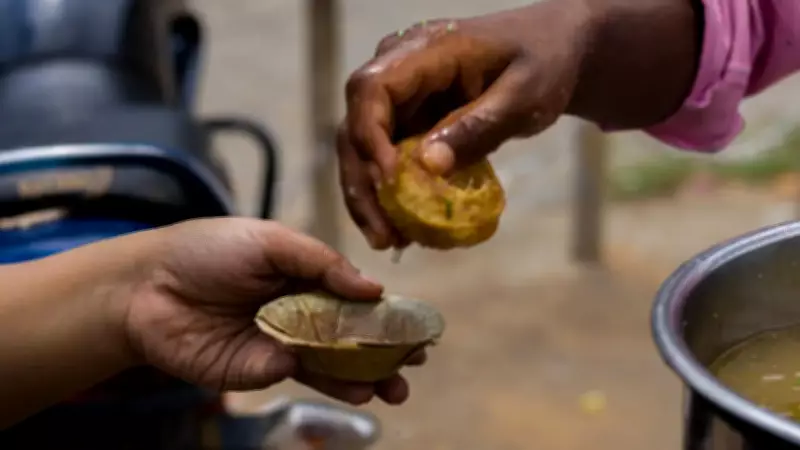
A tragic incident in Jharkhand's Giridih has once again highlighted the hygiene risks associated with street food in India. A six-year-old boy died, and over 18 others fell ill due to suspected food poisoning after consuming pani puri from a roadside stall. According to police, all affected individuals experienced high fever, stomach pain, vomiting, and diarrhea. They were admitted to Sadar Hospital for treatment. The administration and health department have launched an investigation into the matter.
Why Pani Puri Is Unsafe
Street-side pani puri is particularly unsafe during summer months due to its high susceptibility to bacterial growth. Experts point to several key factors:
Contaminated Water
Most vendors use untreated or unfiltered water to prepare the flavored water, which can harbor bacteria, viruses, or parasites that cause stomach infections.

Poor Hygiene Practices
While vendors in tier-A cities have started wearing gloves, many others still do not. Unclean utensils and uncovered water containers increase the risk of contamination during serving.
Improper Storage
Ingredients like boiled potatoes, chutneys, and sprouts are often left open in extreme heat, leading to food poisoning.
FSSAI's Project Clean Street Food
The Food Safety and Standards Authority of India (FSSAI) launched Project Clean Street Food as part of the Eat Right India movement. This initiative aims to improve food safety, hygiene, and nutrition standards for street vendors, transforming them into "Clean Street Food Hubs." The project focuses on enhancing hygiene, food safety, and the social and economic uplift of vendors through skills training under the Pradhan Mantri Kaushal Vikas Yojana.
Key Safety Guidelines for Vendors
According to FSSAI's guidelines, vendors must adhere to the following five safety tips:
- Maintain Personal Hygiene: Keep hands clean, wear gloves, use clean clothes, hair masks, and sanitizer before serving.
- Use Safe Drinking Water: Use packaged or certified clean water for cooking and serving; regular tap water is prohibited.
- Protect Food from Pests and Dust: Keep food covered and use clean, dry storage containers to avoid contamination.
- Use Clean Utensils: Always use clean utensils for cooking and serving.
- Dispose of Waste Properly: Use covered dustbins placed away from the cart, and dispose of waste correctly.
- Keep the Place Clean: Maintain cleanliness and hygiene of the food cart.
Images courtesy: istock






