

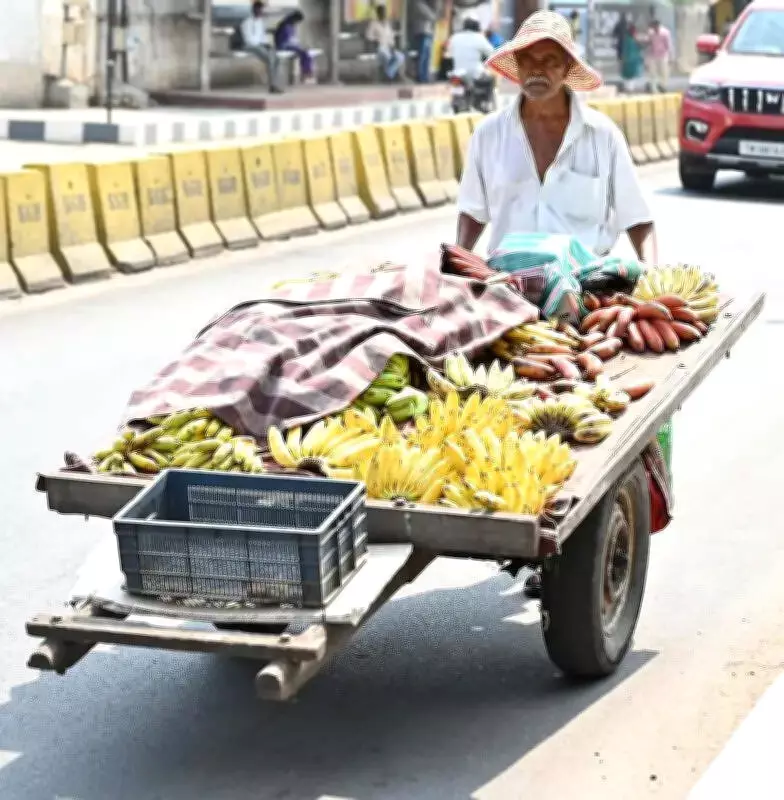
Coimbatore, once known for its pleasant climate, is now experiencing sweltering heat. Although the district recorded a slight temperature dip since Saturday after two months of rising heat, the 'real feel' temperature remains significantly higher than recorded levels.
Temperature Trends and Real Feel
The highest temperature recorded in Coimbatore this year was 39.2°C on April 17 in the airport area. While temperatures have stayed below 40°C, the actual feel has been 3°C to 4°C higher, causing heavy sweating and discomfort.
According to the India Meteorological Department, light to moderate rainfall is expected from Monday through the first week of May. However, experts say the impact may vary across the district.

Expert Insights on Heat Causes
City-based weather enthusiast Santhosh Krishnan attributes the rising temperature to the developing El Niño phenomenon. He notes that district-wide rainfall forecast is more likely to benefit greener and ghat-adjacent areas, while the core city may see only limited relief. Humidity, which has remained between 25% and 30%, is expected to rise in the coming days, making conditions feel even hotter.
Dr Ga Dheebakaran, associate professor at the Department of Agro Climate Research Centre, Tamil Nadu Agricultural University, says the lack of rainfall over the past six months has worsened the heat. 'When soil retains moisture, much of the sun's energy is used for evaporation. In the absence of soil moisture over the past three to four months, that energy has instead been converted directly into heat.'
According to him, the current conditions cannot be fully blamed on El Niño, as the system remains in a neutral phase with only a 61% chance of developing into El Niño after this month. TNAU recorded a maximum temperature of 39.4°C, and the mercury level in the city's core areas could be 0.5°C to 1°C higher.
Impact on Residents and Health Measures
Residents working outdoors say the heat has become severe. Varun Ganesh, a 28-year-old road contractor from Madukkarai, fainted from dehydration while working. He blamed the lack of green cover within the city limits for reducing shade and airflow, worsening conditions for labourers exposed to the sun.
With no relief in sight, Coimbatore Medical College Hospital opened a dedicated 10-bed heat stroke ward on Monday. Dr P Balusamy, deputy director of health services, advises people to avoid going outdoors between 10am and 3pm, avoid tight clothing, stay hydrated, and seek immediate medical attention if unwell. 'All primary health centres in the district have dedicated oral rehydration solution corners,' he added.






