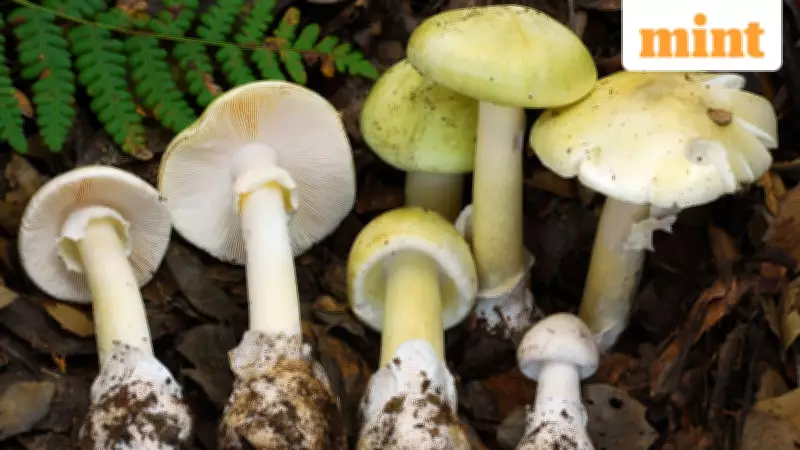
California Grapples with Deadly Death Cap Mushroom Surge
California is confronting a severe public health crisis as poisonings from deadly death cap mushrooms have surged dramatically across the state. The toxic fungus has already claimed four lives and necessitated multiple emergency liver transplants following a particularly rainy winter that created ideal conditions for its rapid spread.
The Lethal Nature of Death Cap Mushrooms
Death cap mushrooms, scientifically classified as Amanita phalloides, rank among the world's most lethal fungi. These dangerous mushrooms contain powerful amatoxin compounds that aggressively attack the liver and kidneys, potentially leading to complete organ failure or death. Medical experts emphasize that these toxins remain deadly regardless of preparation method—cooking, drying, or freezing cannot neutralize their lethal properties.
Health authorities stress that visual identification provides no reliable safety indicator, as the mushroom's appearance offers no clear warning of its extreme toxicity. This deceptive characteristic makes death caps particularly dangerous to unsuspecting foragers.

Deadly Confusion with Edible Varieties
One of the most alarming aspects of this outbreak involves how easily death cap mushrooms resemble edible varieties commonly foraged in Europe, Asia, and parts of Mexico. The California Department of Public Health has documented numerous cases where immigrants mistakenly identified the toxic mushrooms as safe varieties from their home countries.
A tragic example involves Laura Marcelino, a 36-year-old seasonal farmworker from Salinas, whose family confused death caps with mushrooms they had safely consumed in their native Oaxaca, Mexico. "We thought it was safe," Marcelino recounted in Spanish. Her husband subsequently required emergency liver transplantation after the couple consumed the mushrooms on two separate occasions.
Deceptive Symptoms and Delayed Damage
The danger of death cap mushroom poisoning extends beyond immediate effects to include dangerously deceptive symptom patterns. Initial symptoms typically manifest within 24 hours of ingestion and include:
- Severe stomach cramping
- Persistent nausea and vomiting
- Intense diarrhea
These initial symptoms often subside after approximately one day, creating a false sense of recovery while severe liver damage continues progressing silently. Within two to three days, potentially fatal liver damage develops, and by the time symptoms reappear or worsen, medical treatment becomes significantly more challenging and less effective.
Geographic Spread and Vulnerable Populations
Death cap mushrooms have been identified across numerous locations in Northern California and along the Central Coast, with significant clusters reported in Monterey County and throughout the San Francisco Bay Area. The fungi typically thrive near oak and other hardwood trees, flourishing particularly after periods of heavy rainfall.
The outbreak has affected individuals across a broad age spectrum, from a 19-month-old child to a 67-year-old adult. Health officials note that many victims primarily speak Spanish, Mixteco, or Mandarin Chinese, prompting the state to expand public health warnings in multiple languages. Spanish speakers accounted for more than 60% of reported poisonings.
Children and household pets face particular risk due to their smaller body sizes and potential for accidental ingestion during outdoor activities.
Official Recommendations and Emergency Response
California health authorities have issued urgent recommendations in response to the growing crisis:
- Complete avoidance of wild mushroom foraging unless conducted by certified experts
- Purchase mushrooms exclusively from trusted grocery stores and verified commercial sellers
- Immediate medical attention for anyone suspecting toxic mushroom ingestion
Medical professionals emphasize that treatment effectiveness diminishes significantly once symptoms manifest, making immediate response critical. The United States Poison Control Centers provide emergency assistance through their hotline at 1-800-222-1222 or via their online portal at PoisonHelp.org.

As California continues to monitor this deadly outbreak, public health officials remain particularly concerned about the mushroom's widespread distribution and its deceptive resemblance to edible varieties, creating perfect conditions for additional tragic incidents among unsuspecting foragers.