

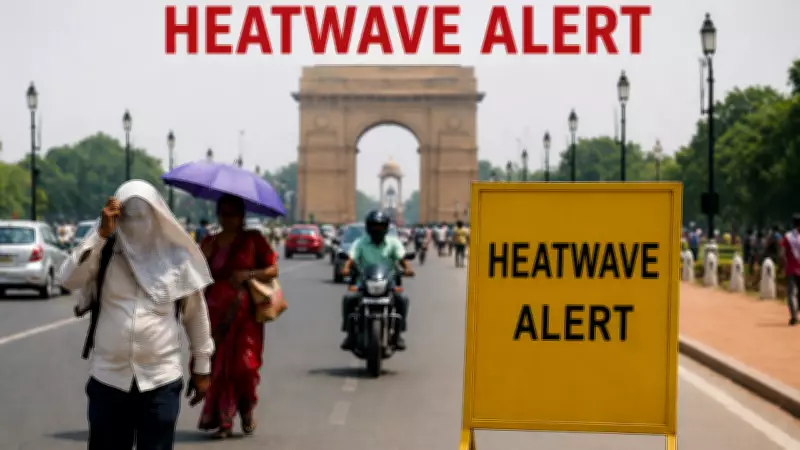
Delhi-NCR Heatwave Strikes Early and Hard
Delhi-NCR did not experience a gradual transition into summer this year. Instead, the heat arrived abruptly and intensely, with temperatures already soaring to 41-42°C this week. Forecasts provide little relief, indicating that the scorching conditions are likely to persist. If you have ventured outside recently and felt as though the air itself was burning, your perception is accurate. Medical professionals report that hospitals across the region are already under significant pressure due to the early onset of extreme heat.
Hospital OPDs Overwhelmed by Heat-Related Cases
Dr. Meenakshi Jain, Principal Director of Internal Medicine at Max Super Speciality Hospital in Patparganj, has observed a steady increase in outpatient department (OPD) numbers as temperatures rise. "Hospitals across Delhi-NCR are seeing more people coming to OPDs with heat-related problems as temperatures climb," she states. What makes this particular heatwave especially concerning is its timing. Typically, the human body requires gradual weeks of adjustment to acclimate to summer heat. However, with the heat striking so hard and so fast, even individuals who are relatively healthy are finding it difficult to cope.
Common Symptoms and Serious Risks
The cases presenting at OPDs are not always dramatic emergencies. Most patients currently visiting hospitals exhibit symptoms such as:

- Dizziness
- Splitting headaches
- Nausea
- Muscle cramps
- Profound exhaustion that does not subside with rest
Additional common signs include profuse sweating and a racing pulse. These are classic indicators of heat exhaustion, which, while uncomfortable and alarming, can be managed if identified early. However, some cases are escalating into more severe conditions. Dr. Jain warns, "A handful turn into heatstroke with high fever over 40°C, confusion, or fainting, which can harm organs like the kidneys or the heart if not treated fast in ICU." Both government and private hospitals are reporting approximately 8 to 10 heat-related cases daily, with a few requiring admission. The most vulnerable groups include outdoor workers, older adults above 55, young children, and individuals with pre-existing conditions such as diabetes or heart disease.
Critical Precautions During Peak Hours
Dr. Jain emphasizes that the period from 11 AM to 4 PM is when the sun is most punishing. Staying indoors during these hours is essential if possible, and avoiding strenuous outdoor activities is crucial. Protection extends beyond mere avoidance of the sun; it involves careful attention to hydration, clothing, and living conditions. For hydration, she recommends consuming 2 to 3 liters of water daily and incorporating electrolyte-rich fluids like ORS, coconut water, buttermilk, and watermelon juice to replenish lost minerals. Conversely, beverages such as caffeine, alcohol, and sugary sodas can exacerbate dehydration and should be avoided, especially during peak heat hours.
Clothing choices are more significant than many realize. Opt for light-colored, loose cotton garments that reflect heat and allow the skin to breathe. When venturing outside, using an umbrella or hat is not optional but a basic protective measure. At home, maintain a cool environment by running fans and managing windows to trap cooler air during early morning hours.
Emergency First-Aid Guidelines
Dr. Jain provides practical first-aid advice that is vital to know in advance. If someone exhibits signs of heat illness:

- Move the person to a shaded area immediately.
- Use wet cloths and fanning to lower body temperature.
- If the individual is conscious and coherent, offer fluids.
However, if symptoms include cessation of sweating despite the heat, confusion, seizures, or unconsciousness, these indicate heatstroke, which requires immediate hospital attention. Do not delay in seeking medical help. "Stay vigilant, beat the heat, and protect your loved ones. Small steps today prevent big troubles tomorrow," Dr. Jain advises. With an early heatwave pushing Delhi-NCR to its limits and bodies not yet adjusted to the season, these precautions are critical in distinguishing between a difficult afternoon and a medical emergency. Take the heat seriously this week, as it is already posing significant health risks.





