

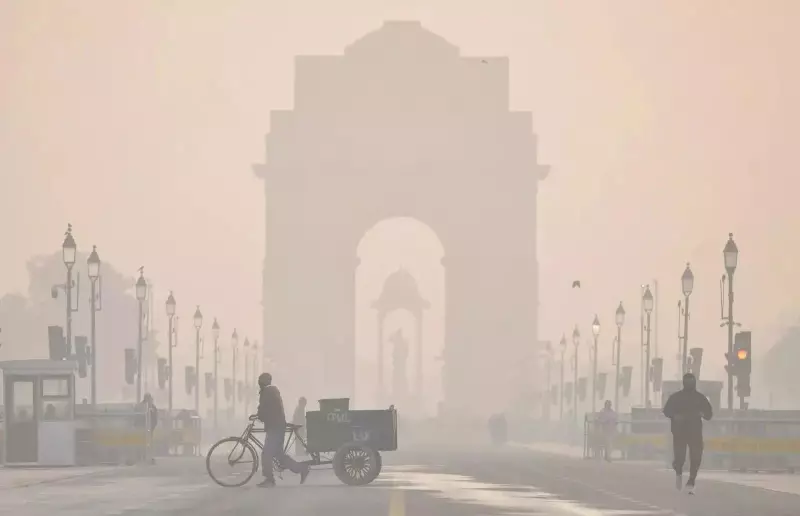
New Delhi Braces for Sunny Wednesday with Persistent Pollution Concerns
Residents of New Delhi can expect a bright and sunny day this Wednesday, January 14, 2026. The capital will experience comfortable afternoon temperatures alongside noticeably cooler mornings and evenings. Weather conditions appear straightforward with clear skies dominating throughout the day.
Detailed Weather Forecast for January 14
The India Meteorological Department predicts a pleasant daytime high of 20.2°C following a chilly morning low of 8.5°C. This temperature range creates distinctly wintry conditions during early hours and late evenings while offering pleasant warmth when exposed to afternoon sunshine.
Humidity levels will average around 32%, indicating drier air that typically enhances comfort. However, this dryness combined with pollution can sometimes cause throat irritation. Winds will remain gentle to moderate with top speeds reaching approximately 11.9 kilometers per hour.

Hour-by-hour breakdown:
- Morning hours will be cool and crisp, ideal for completing errands before afternoon glare intensifies
- Midday through late afternoon brings mild conditions with substantial solar warming
- Temperature drops quickly after sunset at 5:45 PM, requiring light jackets for evening outings
Visibility should remain good at around 10 kilometers with absolutely no rainfall expected. The 0% precipitation chance ensures dry conditions throughout the day.
Severe Air Quality Crisis Continues
Despite the inviting weather, air pollution remains the primary concern for Delhi residents. On Tuesday, January 13, the city recorded an alarming Air Quality Index of 458 according to India's measurement system. This places air quality in Category 6, classified as "Severe."
The US AQI equivalent registered an extreme 485. Particulate pollution reached dangerous levels with PM2.5 concentrations at 303 and PM10 levels hitting 404. These particle levels can trigger immediate health issues including burning eyes, persistent coughing, sinus irritation, and breathlessness.
Vulnerable populations face particular risk. Children, older adults, pregnant women, and individuals with asthma or heart and lung conditions should exercise extreme caution. The pollution persists despite sunny conditions because calm winter weather with light winds allows contaminants to remain near the surface.
Morning and late-evening hours present the worst conditions when atmospheric mixing weakens. Residents might notice blue skies while still experiencing heavy air in traffic corridors and dense neighborhood pockets.
Health Recommendations for Delhi Residents
To navigate Wednesday safely, health experts suggest several practical measures:
- Schedule outdoor activities for late morning or early afternoon when atmospheric mixing improves
- Choose green spaces away from main roads for walks or light exercise
- Wear well-fitted N95 or FFP2 masks during commutes, two-wheeler rides, or near construction sites
- Keep outdoor workouts light and brief if venturing outside
For weather comfort, wear layered clothing that can be adjusted as temperatures change throughout the day. Sunglasses provide necessary protection against strong afternoon sun. Maintaining proper hydration helps counter the combined effects of dry air and particulate pollution.
Weekly Weather Outlook and Air Quality Projections
The coming week promises predominantly dry and sunny conditions across Delhi. A steady warming trend will develop with temperatures climbing gradually:
- January 15: High of 21.7°C, low of 10.2°C
- January 16: High of 23.4°C, low warming slightly
- January 17-20: Highs between 24°C and 26°C, lows reaching approximately 15.1°C
Saturday, January 17 may bring overcast skies while surrounding days return to sunshine. Friday, January 16 appears particularly pleasant for outdoor plans with warm temperatures and minimal rain risk.
Air quality remains uncertain. Even as weather improves, pollution may persist if winds stay light. Residents should monitor daily AQI readings and adjust activities accordingly. The combination of inviting weather and hazardous air creates a deceptive situation requiring continued vigilance.

Weather data referenced comes from official meteorological sources while air quality information originates from AQI.in monitoring systems.
