

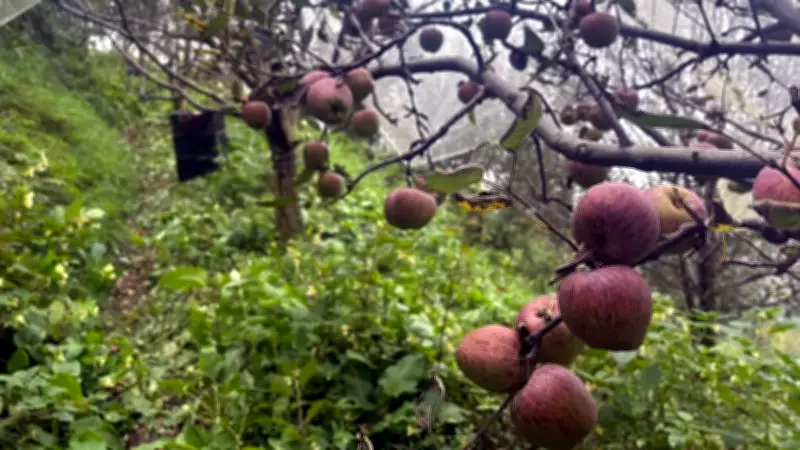
Horticulture Experts Launch Pre-Monsoon Campaign to Shield Apple Orchards from Fungal Threats
With the monsoon season approximately four months away, horticulture experts in Himachal Pradesh have launched a comprehensive awareness and sensitization drive across the state's major apple-growing districts. This proactive initiative aims to equip farmers with the knowledge and tools necessary to combat the devastating fungal diseases Alternaria leaf spot and Marssonina leaf blotch, which thrive under the warm, humid conditions typical of the monsoon period from June to August.
Extensive Outreach Across Key Apple-Producing Regions
The week-long campaign, which commenced on Tuesday and will continue until February 19, is targeting the districts of Shimla, Kinnaur, Chamba, Kullu, and Mandi. These regions are recognized as the primary apple-producing areas in the state, with Shimla leading in production followed closely by Kinnaur. At least eight scientific teams have been mobilized for this effort, comprising experts from Dr YS Parmar University of Horticulture and Forestry (UHF) in Nauni, Regional Horticultural Research and Training Stations, Krishi Vigyan Kendras (KVKs), and the State Department of Horticulture.
These teams are conducting field visits, organizing farmer meetings, and providing on-site demonstrations to enhance farmers' understanding of disease identification, preventive care, and integrated disease management strategies. The ultimate goal is to promote sustainable apple production and protect the livelihoods of orchardists who depend on this crucial agricultural sector.

The Growing Threat of Alternaria and Marssonina
Senior scientist Dr Usha Sharma emphasized the severity of the fungal threats, stating, "Alternaria and Marssonina fungal diseases attack apple foliage under rising temperature and humidity, particularly during the monsoon months. In recent years, these diseases have emerged as major threats across apple-producing regions of Himachal Pradesh, Jammu & Kashmir, and Uttarakhand, causing premature leaf fall, reduced fruit size, and significant yield losses."
Apple grower Hari Chand Rooch from Saroga village in Kotgarh shared his firsthand experience, noting, "Farmers have suffered heavy losses over the past three years as these diseases spread rapidly when temperatures hover around 22°C to 28°C combined with high humidity during rains. Timely preventive sprays, quality fungicides, and organic anti-fungal measures remain the only effective control methods."
Field Activities and Environmental Considerations
In Shimla district alone, four teams began their field outreach on Tuesday, covering areas such as Baghi, Ratnari, Kalbog, Sheelghat, Nakrari, Chiyog, and Kandru, with plans to visit additional villages throughout the week. Similar programs were conducted in Nichar and Sungra in Kinnaur, Bharmour in Chamba, Garsa Valley in Kullu, and Sangalwara in Mandi, with further visits scheduled.
Experts highlighted that recent heavy snowfall in higher elevations has helped maintain essential soil moisture, which is critical for tree health. However, they issued a warning that humid orchard microclimates later in the season could once again create favorable conditions for fungal outbreaks. This underscores the importance of the current awareness drive in preparing farmers well in advance of the monsoon.
The integrated approach being promoted includes:
- Early identification of disease symptoms on apple foliage
- Implementation of preventive spray schedules with appropriate fungicides
- Adoption of organic anti-fungal measures where feasible
- Maintenance of proper orchard sanitation practices
- Monitoring of weather conditions to anticipate disease-favorable periods
This comprehensive campaign represents a significant effort by horticultural authorities to address a persistent agricultural challenge through education and proactive intervention, potentially safeguarding millions of rupees worth of apple crops across Himachal Pradesh's vital fruit-growing regions.






