

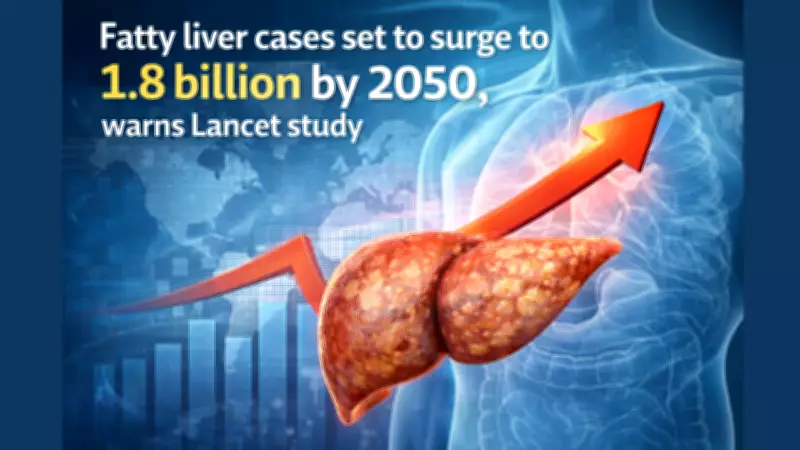
Global Fatty Liver Disease Epidemic: 1.3 Billion Cases in 2023, 1.8 Billion Projected by 2050
A startling new global health analysis has revealed that 1.3 billion people worldwide were living with fatty liver disease in 2023, with projections indicating this number will skyrocket to nearly 1.8 billion individuals by 2050. The comprehensive research, published in The Lancet Gastroenterology and Hepatology journal and based on data from the Global Burden of Diseases, Injuries, and Risk Factors Study (GBD) 2023, paints a concerning picture of a metabolic health crisis unfolding across the planet.
Alarming Growth Trajectory Since 1990
The study conducted by the GBD 2023 MASLD Collaborators found that cases of metabolically associated steatotic liver disease (MASLD) have experienced a staggering 143 percent increase since 1990. This represents more than a tripling of cases over three decades, with the upward trajectory showing no signs of slowing. Researchers project that by 2050, approximately 1.8 billion people will be affected by this condition, representing a 42 percent increase from current levels and a 38 percent jump from today's already alarming numbers.
The Silent Metabolic Killer
MASLD, previously known as nonalcoholic fatty liver disease (NAFLD), represents a fundamental shift in understanding this condition. The disease is fundamentally metabolic in nature, directly tied to how the body processes sugar, manages insulin, and stores fat. What makes MASLD particularly dangerous is its silent progression - most affected individuals experience no symptoms until significant liver damage has already occurred.

The liver lacks nerve endings, meaning substantial damage can accumulate over years or even decades without any noticeable warning signs. Many people only discover they have fatty liver disease during unrelated medical examinations, often when the condition has already progressed significantly. This silent progression allows the disease to spread undetected through populations, creating what researchers describe as a slow-motion health catastrophe.
Geographic Disparities and Risk Factors
The research identified significant geographic variations in MASLD prevalence, with North Africa and the Middle East experiencing disproportionately higher rates compared to other global regions. This geographic clustering suggests complex interactions between genetic, dietary, and lifestyle factors contributing to disease development.
Key risk factors identified in the study include:
- Elevated blood sugar levels: Rising fasting glucose and A1C levels strongly correlate with liver fat accumulation
- Type 2 diabetes: Nearly always coexists with fatty liver disease
- Obesity: While BMI over 30 substantially increases risk, the disease also affects individuals with normal weight
- Metabolic syndrome: The combination of high blood sugar, hypertension, abdominal fat, and abnormal cholesterol creates ideal conditions for MASLD development
- Age: Highest rates occur in people in their 80s, but incidence is increasing among younger populations
Treatment Advances and Health Impact
Despite the dramatic increase in case numbers, the research team found that the overall health impact - measured in years lost due to illness or premature death - has remained relatively stable. This suggests that advances in medical treatment and healthcare delivery are helping affected individuals live longer and healthier lives.
The researchers noted that much of the increase in cases appears to be occurring in the early stages of the disease, indicating improved detection methods and greater awareness among healthcare providers. This early identification provides crucial opportunities for intervention and lifestyle modification that can prevent progression to more severe liver conditions.
The comprehensive analysis underscores the urgent need for global public health initiatives focused on metabolic health, early detection strategies, and lifestyle interventions to address what has become one of the most significant non-communicable disease challenges of our time.






