

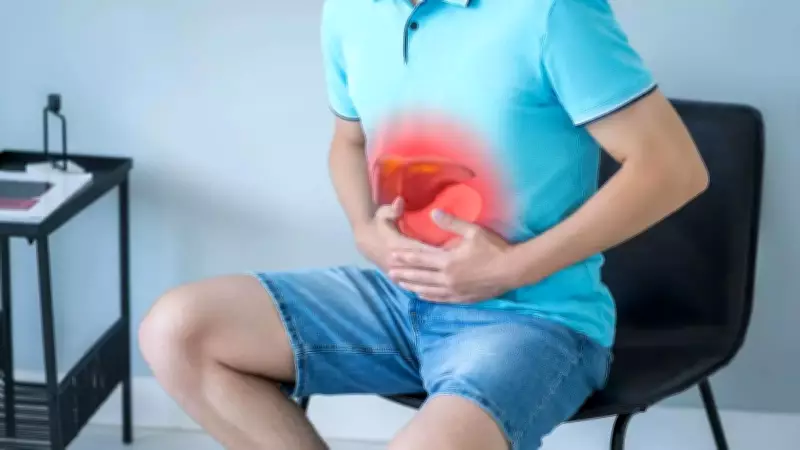
Fatty Liver Disease: The Silent Health Threat Often Found by Accident
Many individuals first learn they have fatty liver disease during a routine health check-up. They might visit a clinic for a standard blood test, an insurance screening, or a minor stomach issue. Then, an ultrasound report casually notes "fatty liver." There were no severe symptoms, no sharp pains, and no urgent warning signs. This scenario is far from rare; in fact, it is increasingly common.
Fatty liver disease, now frequently referred to as metabolic dysfunction-associated steatotic liver disease (MASLD), occurs when excess fat accumulates in the liver. While the liver can store some fat, doctors diagnose fatty liver when more than 5% of its weight consists of fat. What makes this condition particularly concerning is not its onset but its silent progression.
Why Most People Discover Fatty Liver "By Accident"
The liver is a remarkably patient organ that rarely complains. In the early stages of fatty liver disease, most people feel entirely normal. There might be mild fatigue or a sense of heaviness in the upper right abdomen, but these signs are vague and easily dismissed as results of long work hours, poor sleep, or stress.

Dr Vikram Raut, Senior Consultant in Liver Transplant and HPB Surgery at Fortis Hospitals Mumbai, explained to TOI Health, "Fatty liver is often found accidentally because it usually doesn’t show symptoms in its early stages. People don’t realise they have it until they undergo an ultrasound or other imaging for unrelated reasons, such as a routine health check-up or another abdominal condition. Initially, the liver functions normally, detoxifying, producing proteins, and not causing pain, swelling, or jaundice. Even liver function tests may appear normal due to the liver's large reserves and regeneration capacity."
So, how is fatty liver typically detected?
- Routine blood tests revealing elevated liver enzymes like ALT and AST.
- Abdominal ultrasounds conducted for unrelated issues.
- Comprehensive health check-up packages.
According to the National Institute of Diabetes and Digestive and Kidney Diseases (NIDDK), many individuals with nonalcoholic fatty liver disease exhibit no symptoms, especially early on. In India, urban screening studies indicate a high prevalence of fatty liver among adults undergoing routine check-ups, even without reported symptoms. The Indian Council of Medical Research (ICMR) has emphasized the growing burden of non-communicable diseases, including metabolic liver disease, in national health surveys.
Dr Raut added, "The liver is very resilient and can handle significant fat buildup; up to 30–40% of its cells can be filled with fat over years. This fat can lead to inflammation, progressing to fibrosis and cirrhosis before symptoms emerge. Fatty liver can advance silently for years. There's no standard screening for it in India, despite its commonality, especially among those with metabolic syndrome. Many Indians have high belly fat, lead sedentary lifestyles, and consume refined carbs, increasing the risk. It's estimated that 25–40% of urban Indians have fatty liver, but most are unaware due to the lack of symptoms until it worsens."
In essence, the condition conceals itself effectively, leading to frequent accidental discoveries.
What Is Actually Happening Inside the Body
The liver plays a crucial role in metabolism, processing sugars, fats, and toxins. When a person consumes more calories than needed, particularly from refined carbohydrates and sugary drinks, the excess energy converts into fat, some of which is stored in the liver.
Over time, this fat accumulation can:
- Cause inflammation.
- Lead to scarring, known as fibrosis.
- Progress to cirrhosis in severe cases.
The Centers for Disease Control and Prevention (CDC) notes that fatty liver disease is strongly linked to obesity, type 2 diabetes, high cholesterol, and metabolic syndrome. Thus, fatty liver is not merely a liver issue but reflects a deeper metabolic imbalance.

Why Fatty Liver Is Rising So Rapidly in India
India is experiencing a swift increase in lifestyle-related diseases. Urban diets have shifted, physical activity has declined, sleep patterns are disrupted, and stress levels are elevated. Recent Indian studies estimate that fatty liver disease may affect nearly one in three adults in urban areas, with rising rates among adolescents and young adults.
Three primary drivers contribute to this trend:
- Sedentary Lifestyle: Long desk jobs and increased screen time reduce calorie expenditure.
- Processed Food Intake: Consumption of packaged snacks, sweetened beverages, and high-carb meals promotes fat storage.
- Hidden Metabolic Risks: Even individuals who appear lean can develop fatty liver, a condition sometimes termed "lean NAFLD." South Asians are genetically more prone to insulin resistance at lower body weights.
The World Health Organization (WHO) has repeatedly warned about the growing burden of non-communicable diseases driven by poor diet and inactivity, with fatty liver being a significant part of this narrative.
The Myth: "It Only Affects People Who Drink Alcohol"
A common misconception is that fatty liver is solely caused by alcohol consumption, but this is inaccurate. There are two broad types: alcohol-related fatty liver disease and non-alcoholic fatty liver disease, now often termed MASLD. In India, a substantial number of cases are non-alcoholic, with many non-drinkers being diagnosed.
This misunderstanding can delay necessary actions. Some patients feel confused or ashamed upon diagnosis, highlighting the need for careful emotional handling. It is not about blame but about biological and lifestyle patterns. As Hippocrates once said, "Let food be thy medicine and medicine be thy food."
What Could Change This Trend
The good news is that fatty liver in its early stages is reversible. Medical guidelines from global liver associations suggest that even a 5-10% weight loss can significantly reduce liver fat and inflammation.
Key strategies to make a real difference include:
- Sustained Weight Management: Steady weight loss is more effective than crash diets.
- Physical Activity: At least 150 minutes of moderate exercise per week improves insulin sensitivity.
- Reducing Sugar and Refined Carbs: Sugary drinks are strongly linked to liver fat accumulation.
- Managing Diabetes and Cholesterol: Regular monitoring helps prevent silent damage.
- Routine Screening for High-Risk Individuals: Those with obesity, diabetes, or a family history should consider liver evaluation even without symptoms.
Early detection can alter the course of the disease, whereas waiting for symptoms is not advisable.
Why Early Silence Can Be Dangerous
The liver can function normally even when partially damaged, which is why people may feel fine for years. However, persistent inflammation can progress to non-alcoholic steatohepatitis (NASH), fibrosis, cirrhosis, and, in rare cases, liver cancer. By the time symptoms like swelling, jaundice, or severe fatigue appear, the disease may already be advanced.
Dr Raut concluded, "To catch fatty liver early, it’s important to screen high-risk groups, such as those with type 2 diabetes, a BMI over 23 (the Asian cutoff), high cholesterol, or metabolic syndrome. Tests like ultrasounds or Fibroscans can detect the condition before it progresses to more serious stages like steatohepatitis or cirrhosis. Early detection is crucial because once symptoms appear, the disease may have already advanced."
This gap between feeling normal and being at risk makes fatty liver a quiet public health challenge. Health awareness often starts with a lab report but should not end there. Instead of viewing fatty liver as a sudden shock, it can be seen as an early warning system, signaling that metabolism requires attention and calling for long-term habits rather than temporary fear.
Small changes matter: a 30-minute walk, a balanced diet, regular sleep, and periodic blood tests. While the condition may be discovered by accident, recovery does not have to be accidental.
Medical Experts Consulted: This article includes expert inputs from Dr Vikram Raut, Senior Consultant in Liver Transplant and HPB Surgery at Fortis Hospitals Mumbai, used to explain why fatty liver is a serious and often silent health condition and why consulting a doctor is essential before self-diagnosis.
About the Author: Aadya Jha is a passionate writer and storyteller who crafts engaging narratives, exploring everyday topics with a focus on lifestyle and health.





