

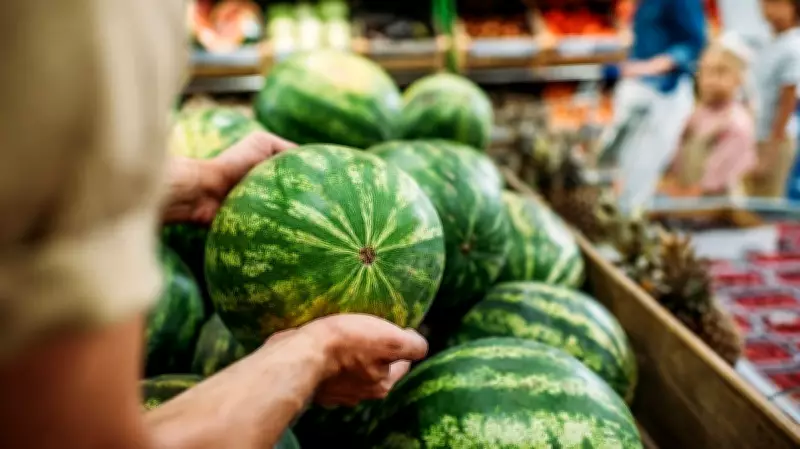
In a tragic incident, four members of a family in Mumbai died within 24 hours after allegedly consuming watermelon, sparking concerns about rare food poisoning risks. The rapid progression of symptoms has left medical experts puzzled and raised questions about the safety of fresh produce.
Rapid Fatal Progression
The fatalities occurred within hours of eating watermelon, with symptoms starting as gastrointestinal distress and quickly escalating to death in under a day. The speed of the deaths is unusual for typical food poisoning cases, leading doctors to suspect a highly potent contaminant.
Possible Contamination Sources
Watermelons can harbor dangerous pathogens such as salmonella and E. coli, or chemical contaminants like pesticides and calcium carbide, a ripening agent. These substances can cause severe illness, especially when consumed in concentrated amounts.

In 2012, a salmonella outbreak linked to watermelons in the UK affected over 90 people, highlighting the risks. However, the Mumbai case appears more severe, with four deaths in a single family.
Expert Scepticism on Sole Cause
Doctors have expressed skepticism that watermelon alone caused the deaths. The unusual speed and severity suggest other factors may have contributed, such as pre-existing health conditions or additional contaminated food items. Investigations are ongoing to determine the exact cause.
Vulnerable Populations at Risk
Children and immunocompromised individuals are particularly susceptible to severe reactions from contaminated watermelons. The high water content of over 90% can facilitate rapid absorption of toxins, leading to organ failure in vulnerable people.
Chemical Poisoning Risks
Excessive pesticide residues or illegal ripening agents like calcium carbide can cause acute toxic reactions, including seizures and respiratory distress. Calcium carbide, often used to artificially ripen fruits, is banned in many countries due to its health risks.
Authorities have collected samples of the watermelon for testing to identify the contaminant. Meanwhile, the public is advised to wash fruits thoroughly and buy from reputable sources.






