

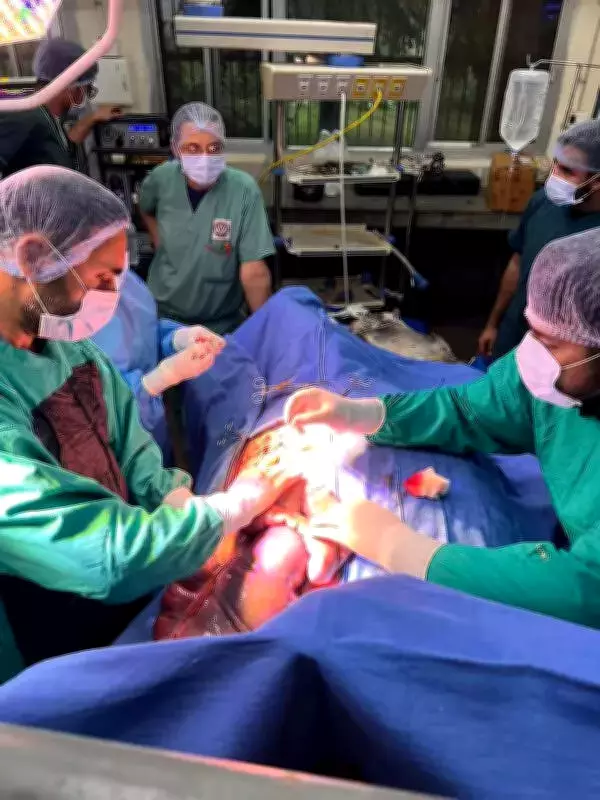
GADVASU Emerges as Premier Equine Surgical Center in Northern India
Ludhiana's Guru Angad Dev Veterinary and Animal Sciences University (GADVASU) has transformed into a critical referral hub for equine healthcare, witnessing a substantial increase in horse patients from Punjab and multiple neighboring states. This surge reflects growing awareness among horse owners about the necessity of timely veterinary intervention for their animals.
From Occasional Procedures to Daily Surgical Interventions
The university, standing as the sole government institution conducting regular and emergency equine surgeries in the region, has dramatically escalated its surgical frequency. Previously managing just two to three procedures periodically, GADVASU now averages one horse surgery per day. This expansion in capacity directly addresses the rising influx of equine cases, with horses arriving not only from Punjab but increasingly from Rajasthan, Gujarat, Haryana, and other states.
Over 150 Emergency Surgeries in 2025 Alone
Senior veterinary surgeon Dr. Navdeep Singh confirmed the steady rise in equine cases. "The number of equine cases has increased significantly over the years," Dr. Singh stated. "In 2025 alone, we conducted more than 150 emergency surgeries on horses, including many critical referrals from other states. Most animals arrived in severe condition, where immediate surgical intervention proved life-saving."

Colic: The Most Critical and Common Threat
Among the most serious conditions treated is colic—a term describing abdominal pain that can rapidly become fatal without urgent care. Dr. Arun Anand, Head of Veterinary Surgery and Radiology at GADVASU, explained the anatomical vulnerabilities of horses. "Horses appear robust externally, but their intestinal system is remarkably complex and susceptible at multiple points," Dr. Anand detailed. "We frequently encounter conditions like intestinal strangulation, displacement, and obstructions caused by hardened ingesta, all requiring prompt surgical action."
Winter Feeding Practices and Digestive Dangers
Dr. Anand highlighted how digestive issues often escalate during colder months. "In winter, horses tend to drink less water, which can cause feed material to harden inside the intestines, leading to obstructions that become life-threatening within hours," he cautioned. He also warned against unsuitable feeding practices, noting, "Sometimes, if horses are taken for riding immediately after feeding, it can cause stomach twisting."
Essential Dietary Guidelines for Horse Owners
Emphasizing preventive care, Dr. Anand advised on proper equine nutrition. "Horses require a balanced diet with adequate green fodder alongside grains to meet their protein and energy needs," he recommended. "Improper feeding significantly contributes to the intestinal obstructions and colic cases we treat here." He specifically cautioned against certain feeds, stating, "Horses should never be given dry fodder or rice husk, as these are difficult to digest and can create blockages. Instead, green grasses like Calcutta grass are safe and recommended."
Urgent Call for Immediate Veterinary Attention
Both veterinarians stressed the importance of rapid response to symptoms. Dr. Navdeep Singh urged all horse owners, "Seek immediate veterinary attention if horses display any signs of colic, such as abdominal pain, restlessness, or reduced appetite. Early intervention can prevent fatal outcomes and ensure the well-being of these valuable animals."
As GADVASU continues to enhance its equine surgical capabilities, its role as a regional lifesaving center for horses becomes increasingly vital, setting new standards in veterinary care across northern India.






