

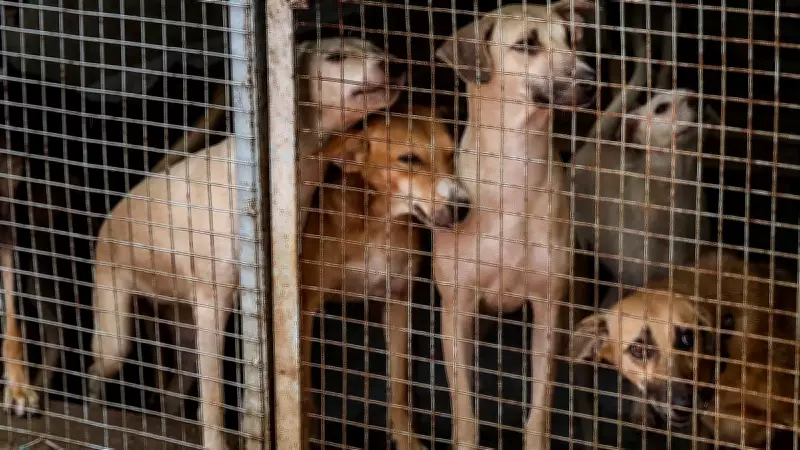
Gas Shortage Cripples Animal Rescue Operations Across India
A critical shortage of liquefied petroleum gas (LPG) has plunged animal rescue centers into a severe crisis, rendering them unable to provide basic sustenance to the animals under their care. This alarming situation has escalated into a broader humanitarian and animal welfare emergency, with far-reaching consequences for vulnerable creatures nationwide.
Rescue Centers Paralyzed by Fuel Scarcity
Animal rescue facilities, which rely heavily on LPG for cooking and preparing meals for hundreds of rescued animals, are now facing operational paralysis. The gas shortage has forced many centers to suspend their feeding programs entirely, leaving dogs, cats, and other animals without regular nourishment. Volunteers and staff report that without immediate intervention, the health and survival of these animals are at grave risk.
"We are witnessing a heartbreaking scenario where our ability to care for these innocent lives is being stripped away by a basic resource shortage," explained one volunteer, who wished to remain anonymous due to the sensitivity of the situation. The centers are scrambling to find alternative solutions, but options are limited and unsustainable in the long term.

Stray Dogs Suffer as Eateries Shut Down
Compounding the crisis, activists and ground-level volunteers have observed a devastating ripple effect on stray dog populations. Many small roadside eateries, which traditionally disposed of excess food by feeding local strays, have been forced to close their doors due to the same gas shortage. This has abruptly cut off a vital food source for countless stray dogs, pushing them toward starvation.
Key impacts include:
- Increased competition among stray animals for scarce resources.
- Rising cases of malnutrition and related health issues in stray populations.
- Growing public concern over animal welfare and community safety.
Volunteer Sneha Ramesh, who has been actively documenting the situation, noted, "The closure of these eateries has created a food desert for strays. We are seeing more emaciated and desperate dogs roaming the streets, which is a direct consequence of this supply chain breakdown."
Broader Implications and Urgent Calls for Action
This crisis highlights the interconnectedness of infrastructure failures and animal welfare. The gas shortage, initially perceived as an economic or logistical issue, has now manifested as a life-threatening problem for animals. Experts warn that without swift action, the situation could lead to:
- A surge in animal mortality rates in rescue centers and on the streets.
- Increased strain on already overwhelmed animal welfare organizations.
- Potential public health risks from malnourished and distressed animal populations.
Animal rights groups are urging government authorities and relief agencies to prioritize LPG allocations for rescue centers and to develop emergency feeding programs for stray animals. "This is not just about fuel; it's about compassion and responsibility toward our non-human companions," emphasized a spokesperson from a leading animal welfare NGO.
As of April 7, 2026, the crisis continues unabated, with no immediate resolution in sight. The plight of these animals serves as a stark reminder of how systemic shortages can have cascading effects on the most vulnerable members of society.






