

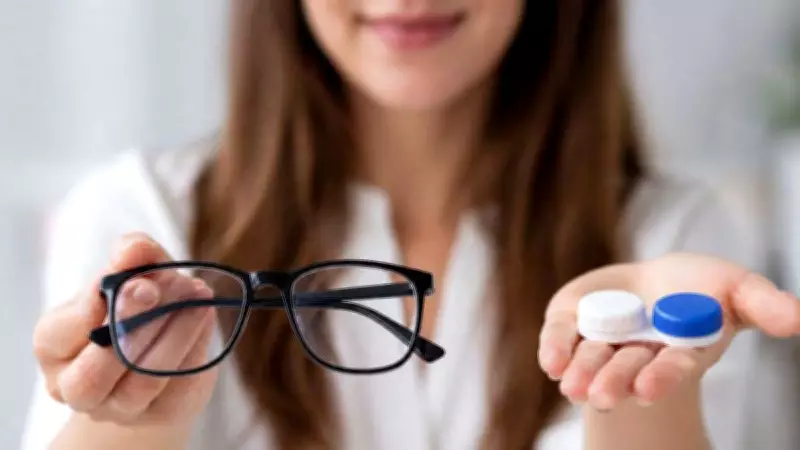
When it comes to vision correction, the debate between glasses and contact lenses is ongoing. Both have their advantages and drawbacks, and the best choice depends on individual needs, lifestyle, and eye health. This article explores the key differences to help you make an informed decision.
Comfort and Convenience
Glasses are easy to wear and require minimal maintenance. They are also less likely to cause eye infections since they don't touch the eyes. On the other hand, contact lenses offer a wider field of vision and are more convenient for physical activities. However, they require proper hygiene and can be uncomfortable for some users.
Visual Clarity
Contact lenses provide better peripheral vision and are less affected by weather conditions like rain or fog. Glasses, however, can distort vision at the edges and may fog up in humid conditions. For those with high prescriptions, contact lenses often offer clearer vision without the bulk of thick lenses.

Eye Health Considerations
Glasses are generally safer for eye health as they don't increase the risk of infections. Contact lenses, if not cleaned properly, can lead to corneal ulcers and other complications. People with dry eyes or allergies may find glasses more comfortable. Regular eye check-ups are essential for both options to ensure optimal eye health.
Lifestyle and Aesthetics
For active lifestyles, contact lenses are often preferred as they stay in place during sports and don't get in the way. Glasses can be a fashion statement, with many frames available to suit personal style. Some people switch between both, using glasses for daily wear and contacts for special occasions.
Cost and Maintenance
Glasses are a one-time investment, though they may need replacement if the prescription changes. Contact lenses require ongoing purchases and cleaning solutions, making them more expensive in the long run. However, daily disposables reduce the risk of infections and are convenient for occasional use.
Conclusion
Ultimately, the choice between glasses and contact lenses is personal. Consult an eye care professional to discuss your specific needs. Whether you prioritize comfort, convenience, or aesthetics, both options can provide clear vision when used correctly.






