

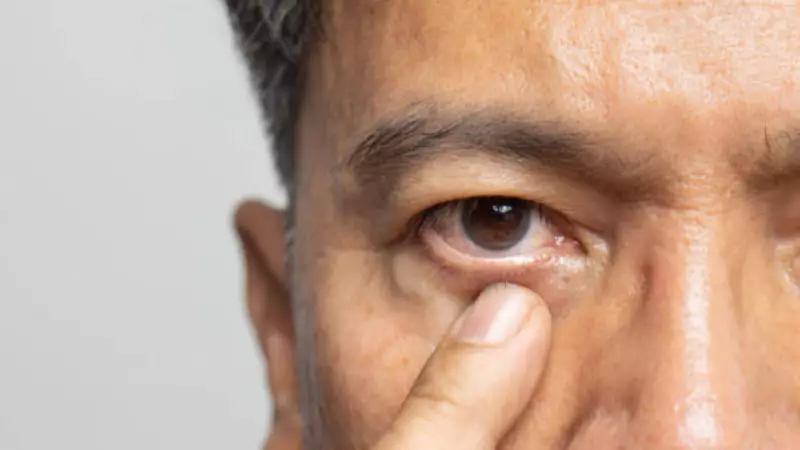
Glaucoma terrifies people for a straightforward reason. It gives no warning before stealing your vision. Most eye issues provide clear signals. You might experience blurry vision. You could feel pain or notice redness. These symptoms make you rub your eyes and consider visiting a doctor. Glaucoma refuses to follow these rules. That is why experts often call it the silent thief of sight.
Why Glaucoma Remains Undetected
You might see perfectly today while still losing vision gradually. Your brain adapts to the changes. You compensate without realizing it. Life continues normally until one day it does not. January marks Glaucoma Awareness Month. This condition deserves far more attention than it typically receives. Glaucoma ranks among the leading causes of irreversible blindness globally. The word irreversible matters greatly here. Once vision disappears, doctors cannot restore it.
Why do so few people discuss glaucoma? One major reason involves its subtle nature. The disease does not appear dramatic. Patients experience no sudden blackout. They feel no immediate pain. There is no viral moment where someone collapses while clutching their eyes. Another factor is awareness. Many individuals believe eye checkups become necessary only when something feels wrong. Glaucoma Awareness Month reminds everyone to stop taking vision for granted. With glaucoma, what you fail to notice can permanently harm you.

The Silent Progression Explained
Dr. Pawan Gupta, Senior Cataract & Retina Surgeon at Eye 7 Hospital in Lajpat Nagar and Vision Eye Clinic in New Delhi, explains the phenomenon. He says glaucoma earns its nickname as the silent thief because vision loss begins from the sides. Central vision remains perfect initially. Patients remain unaware until the disease advances significantly. The condition silently damages vision without presenting symptoms.
Dr. Devindra Sood, Senior Consultant in Ophthalmology at Max Multi Speciality Centre in Panchsheel Park, describes what happens inside the eyes. He states glaucoma refers to many different diseases characterized by specific damage to the optic nerve. This nerve conducts visual impulses from the eye to the brain. It remains vital for good vision. High pressure within the eye compresses the nerve and reduces its blood supply. The resulting damage leads to vision loss or blindness.
Dr. Sood emphasizes that glaucoma usually shows no symptoms. Only when the disease reaches advanced stages do patients notice vision disturbances. This characteristic explains why professionals call it the sneak thief of sight.
Recognizing Glaucoma Symptoms
According to Dr. Sood, symptoms depend entirely on the type and stage of glaucoma.
Open Angle Glaucoma
- No symptoms appear during early stages.
- Patients experience frequent changes in glasses power.
- They feel heaviness in the eyes, brow ache, or headaches in the evening.
- Visual discomfort occurs with difficulty adapting to dim light.
- Gradually, side vision or peripheral vision disappears.
- This progression eventually involves central vision too.
Angle Closure Glaucoma
This type can present as a medical emergency.
- Patients suffer eye pain or headaches.
- They see halos or colored rings around lights.
- Nausea or vomiting may occur.
- Vision becomes blurred.
- Eyes appear red.
Normal-Tension Glaucoma
This condition presents similarly to open angle glaucoma.
Glaucoma in Children
- Eyes appear dull or cloudy.
- Children show sensitivity to light.
- Watering occurs from the eyes.
- Vision becomes blurred.
- Headaches develop.
Dr. Sood notes that predicting glaucoma without proper examination proves difficult. Diagnosis often gets missed if eye pressure serves as the only criteria. Identifying glaucoma requires a complete eye examination with emphasis on TOPG tests.
Essential Diagnostic Procedures
Dr. Sood explains three critical procedures for glaucoma diagnosis.

- Tonometry measures pressure within the eye. Ideally, doctors perform it with a tonometer using blue light.
- Ophthalmoscopy uses an instrument to assess the optic nerve status. Everyone seeking a complete eye examination needs this test. Glaucoma patients require it more frequently.
- Perimetry assesses the visual field by measuring optic nerve function.
- Gonioscopy determines the specific type of glaucoma.
Understanding the glaucoma type remains essential. Doctors usually treat open angle glaucoma first with eye drops. If drops fail, glaucoma surgery may become necessary. Closed angle glaucoma treatment involves laser iridotomy and drops. When these methods do not work, surgery might be considered.
Knowing glaucoma severity dictates the required treatment amount. It influences monitoring frequency and necessary tests. Glaucoma monitoring focuses entirely on assessing progression. Progression analysis includes evaluating eye pressure and optic nerve condition. Periodic evaluation can preserve vision for life. Blindness from glaucoma becomes preventable through proper care.
Age-Wise Eye Checkup Guidelines
Dr. Devindra Sood shares specific recommendations for different age groups and conditions.
Age 40 Years
For individuals with no prior glaucoma, no suspicion of glaucoma, no family history, and no other risk factors, examinations should occur every three years after baseline testing at age 40. The best time for a complete eye checkup including glaucoma screening is when difficulty begins with near work or reading. This moment presents an ideal opportunity for comprehensive evaluation.
Any Age with Risk Factors
When risk factors exist without prior glaucoma, examinations should happen every one to two years regardless of age.
Suspected Glaucoma
If doctors suspect glaucoma but have not started treatment, checkups should occur every six to twelve months.
Known Glaucoma Cases
Patients with diagnosed glaucoma require examinations every three to six months depending on type and severity.
Children Including Newborns
Watch for large eyes, blue or cloudy eyes, tearing or watering, and tendency to close eyes in bright light. Evaluation should happen as early as possible. All children must receive regular eye checkups at age three to four years before starting school.
The Importance of Early Detection
Dr. Pawan Gupta stresses a critical point. If detected early, glaucoma progression can be halted. However, current treatment modalities cannot reverse damage already done by glaucoma. This reality makes screening exceptionally important. Modern science offers medications and surgeries that can stop disease progression. No medication exists yet that can reverse glaucoma effects.
Regular eye examinations become your strongest defense against this silent thief. Do not wait for symptoms that may never appear. Protect your vision before it disappears quietly.
