

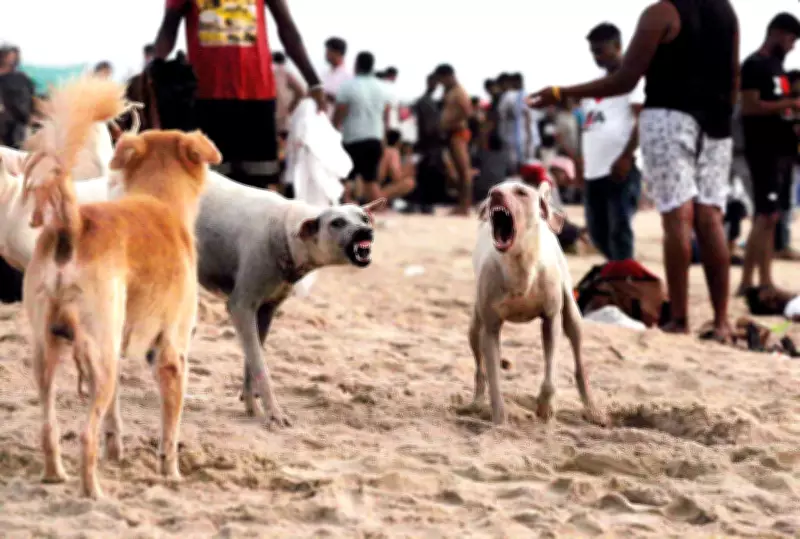
Canine Distemper Outbreak Puts Goa's Animal Health Achievements in Jeopardy
Goa's hard-earned reputation as a 'rabies-controlled' state is now under severe threat from a growing outbreak of canine distemper, a highly contagious and often fatal viral disease. This escalating animal health crisis is placing immense strain on local animal welfare organizations, who report that the situation has intensified beyond sporadic cases to become a persistent, year-round problem.
Rising Cases and Unreported Deaths Burden Animal Groups
According to Dr. Murugan Appupillai, director of education at Mission Rabies, the pattern of distemper infections has shifted dramatically. "Earlier the cases were sporadic. But now, it looks like it is getting repeated from time to time," he stated. While the directorate of animal husbandry lacks consolidated statewide data on canine distemper deaths, welfare groups estimate that at least two dogs succumb to the disease each day on average.
Atul Sarin, founder of Welfare for Animals Goa (WAG), highlighted the underreporting issue: "Though distemper cases remain widespread, many dog deaths go unreported." Data from the Panjim Animal Welfare Society (PAWS) supports this, showing 14 dog deaths in February alone in areas including Panaji, Taleigao, Merces, Santa Cruz, Curca, and Bambolim.

Understanding the Disease and Its Impact
Canine distemper virus (CDV) is a highly contagious disease that primarily affects unvaccinated stray dogs and puppies. It attacks the respiratory, gastrointestinal, and nervous systems, often leading to severe neurological symptoms such as muscle twitching, convulsions, paralysis, and seizures. Although not transmissible to humans, it spreads rapidly among dogs through respiratory droplets, saliva, or contact with infected urine and feces.
Sweta Sardesai, who runs PAWS, explained the grim prognosis: "As distemper is not curable, we have to euthanise the dogs when they get to a very bad stage. There have been zero survivors." Recovery is possible only in mildly affected cases, but advanced neurological involvement typically results in death.
Seasonal Shifts and Sanitation Concerns
Dr. Stacy Sequeira from World Veterinary Services (WVS) India in Assagao noted a concerning change in the disease pattern. "We would see distemper only in the colder months of the year. However, since last year, we are seeing a much more severe outbreak than normal, which is lasting throughout the year." This prolonged outbreak exacerbates sanitation risks, particularly due to the lack of proper carcass disposal infrastructure in Goa.
With no dedicated animal incinerators available, welfare groups are forced to bury infected carcasses in graves at least six feet deep to prevent contamination. Sejal Vora, trustee of Alpha Angels Welfare Trust, emphasized the urgency: "This is a matter of basic sanitation and health. An incinerator is a necessity not just for distemper cases but any animal carcasses that need to be scientifically disposed. We need at least two incinerators each in North and South Goa."
Policy Gaps and Future Risks
The crisis has exposed significant policy shortcomings. A volunteer expressed concern over inadequate disposal practices in some villages, where carcasses are buried in shallow graves without panchayat intervention. "If we are aiming to become the first rabies virus-free state in India, we cannot ignore canine distemper," the volunteer added, warning that without immediate action, the situation could spiral into a full-blown crisis.
In October 2025, the directorate of animal husbandry and veterinary services issued a warning about distemper cases and advised pet owners to vaccinate their dogs, as there is no specific antiviral treatment. Animal welfare groups are now calling for enhanced vaccination drives for both pets and community dogs to curb the spread.
Atul Sarin reiterated the broader implications: "This matter heavily threatens Goa's status. We encourage people to vaccinate pet as well as community dogs because this is a very contagious disease." As cases mount, immediate policy attention is crucial to safeguard Goa's ambition of becoming India's first dog-related virus-free state.






